Pancreatitis is an inflammation of the pancreas, a vital organ responsible for digesting food and regulating blood sugar.
This condition – often painful – requires prompt care to avoid severe complications. Whether acute or chronic, it directly impacts your dog’s quality of life.
Pancreatitis is defined as inflammation of the pancreas. This process triggers a form of “self-digestion” of the organ, leading to inflammation that can be more or less extensive. Two main forms are distinguished:
This disease should not be taken lightly: the pancreas performs essential endocrine (insulin production) and exocrine (digestion) functions. Pancreatic failure can lead to secondary metabolic disorders such as diabetes.
Understanding this condition helps you adapt your dog’s lifestyle, with a strong focus on a drastic reduction in fats – one of the main triggers of pancreatic stimulation.
Although pancreatitis can affect dogs of any age, it is more common in middle-aged to senior dogs (generally from 7 years old).
As metabolism slows, the pancreas becomes less able to handle overly rich meals. In older dogs, underlying conditions such as overweight/obesity, hyperlipidaemia or hormonal disorders (Cushing’s, hypothyroidism) significantly increase the risk of a flare-up.
Some breeds are also predisposed, with hereditary risk that can become more apparent with age (e.g., Miniature Schnauzer, Yorkshire Terrier).
Increased body-condition monitoring and regular vet check-ups are recommended for senior dogs to detect chronic inflammation before it becomes critical.

Prognosis mainly depends on how quickly the condition is treated and how severe the inflammation is.
For mild acute pancreatitis, recovery generally takes one to two weeks with appropriate treatment. Severe forms have a more guarded prognosis and may leave functional after-effects.
A dog can still live many years after pancreatitis if their diet is strictly controlled. The main risk is recurrence: a single dietary mistake (for example, a fatty table scrap) can trigger a new episode.
The key to long-term stability is nutritional consistency – dogs stabilised on a low-fat diet can maintain an excellent quality of life.
Causes are multifactorial, but diet remains the dominant trigger. A sudden, massive fat intake (holiday meals, raiding the bin) can cause a sharp release of digestive enzymes that damage the organ. Overweight/obesity is also a major risk factor, often linked to hyperlipidaemia – high blood lipid levels that overload the pancreas daily.
Other contributors include certain medications (notably corticosteroids or some antibiotics), abdominal trauma, viral infections, and genetic predispositions documented in some breeds (e.g., Miniature Schnauzer). Untreated metabolic diseases can also strain the organ prematurely. Identifying the exact cause is essential to prevent relapse.

Diagnosis starts with a thorough clinical exam. Vets typically perform a specific blood test including cPLI (dogs) / fPLI (cats) to measure pancreatic lipase, currently the most reliable indicator. An abdominal ultrasound may be added to visualise inflammation and rule out other underlying issues.
Treatment focuses first on resting the pancreas, with IV fluids to rehydrate, antiemetics, and careful pain control. Unlike older practices of prolonged fasting, early refeeding is now preferred: as soon as vomiting stops, introducing an ultra-digestible, very low-fat diet is essential. This targeted nutritional support is the cornerstone of long-term stabilisation and relapse prevention.
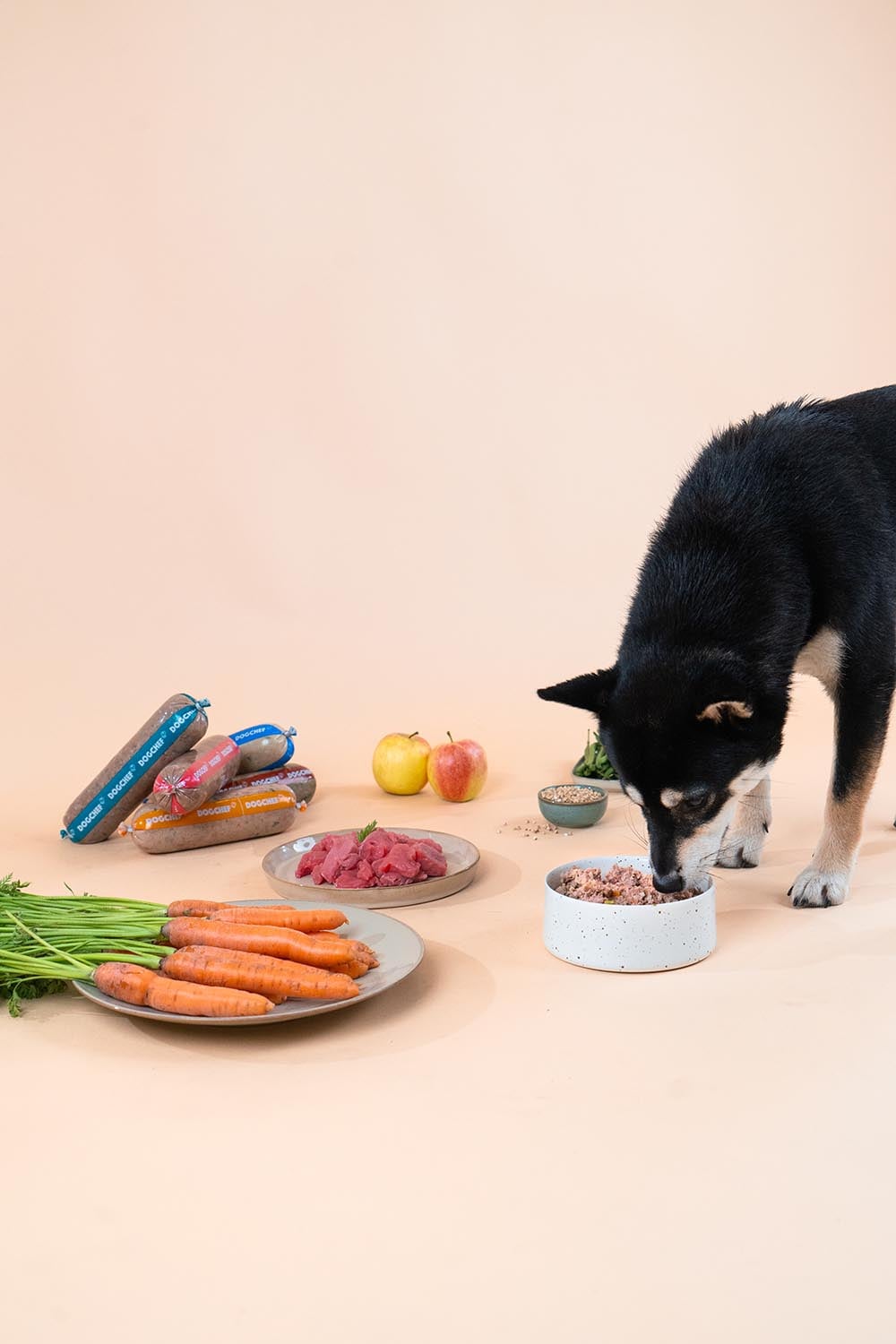
Food is not only an energy source: it is the main control lever for pancreatitis. The goal is to feed your dog while minimising stimulation of the exocrine pancreas.
The diet must be restricted in fat (often under 10% on a dry-matter basis for chronic cases). Reducing fat does not mean lowering quality: dogs need highly digestible proteins to maintain muscle mass without overloading digestion. Carbohydrates should be simple and well cooked for quick absorption. Optimal hydration – via wet food – is also recommended. Strict nutritional management is often the difference between stable remission and repeated flare-ups.
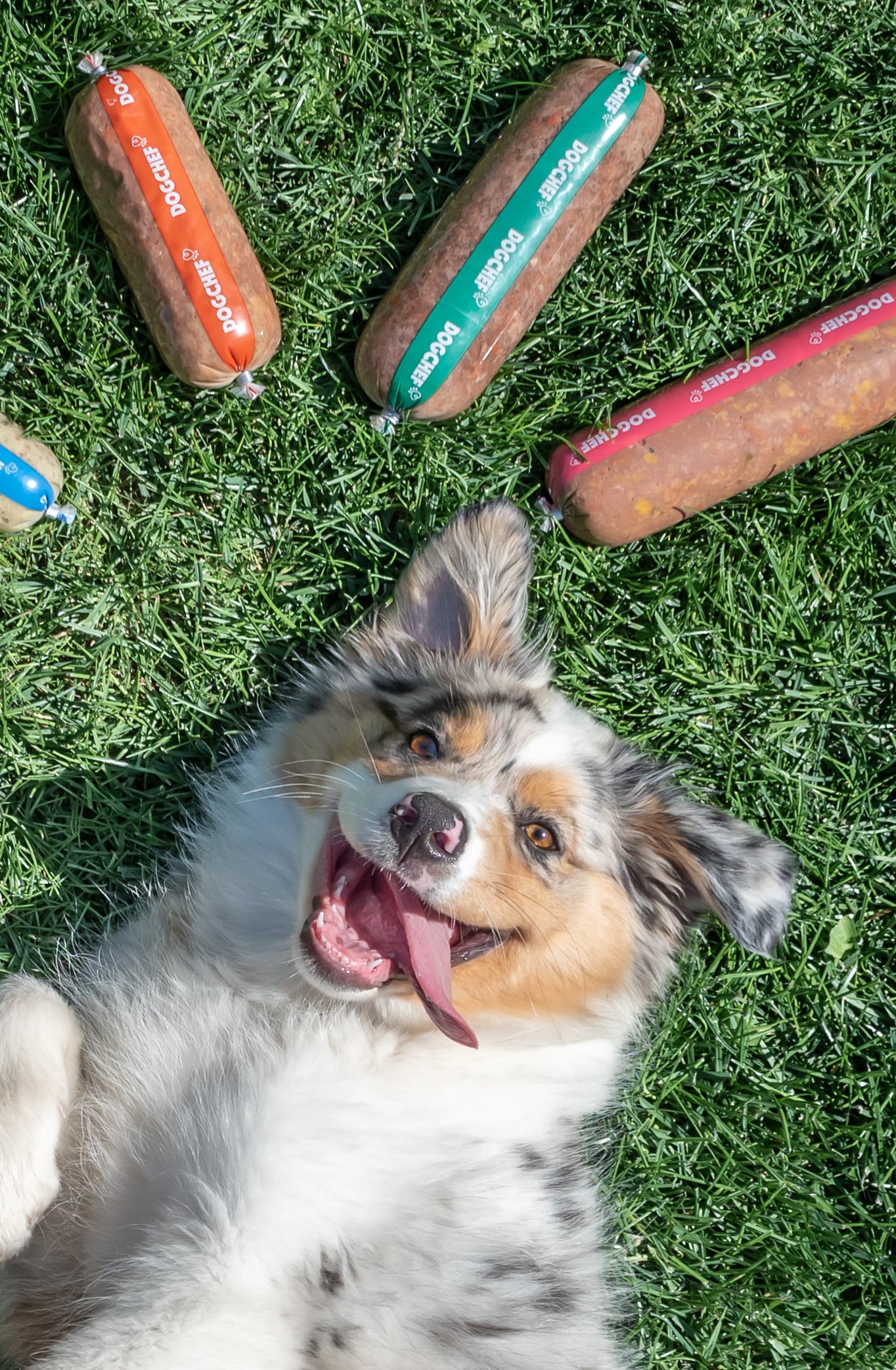
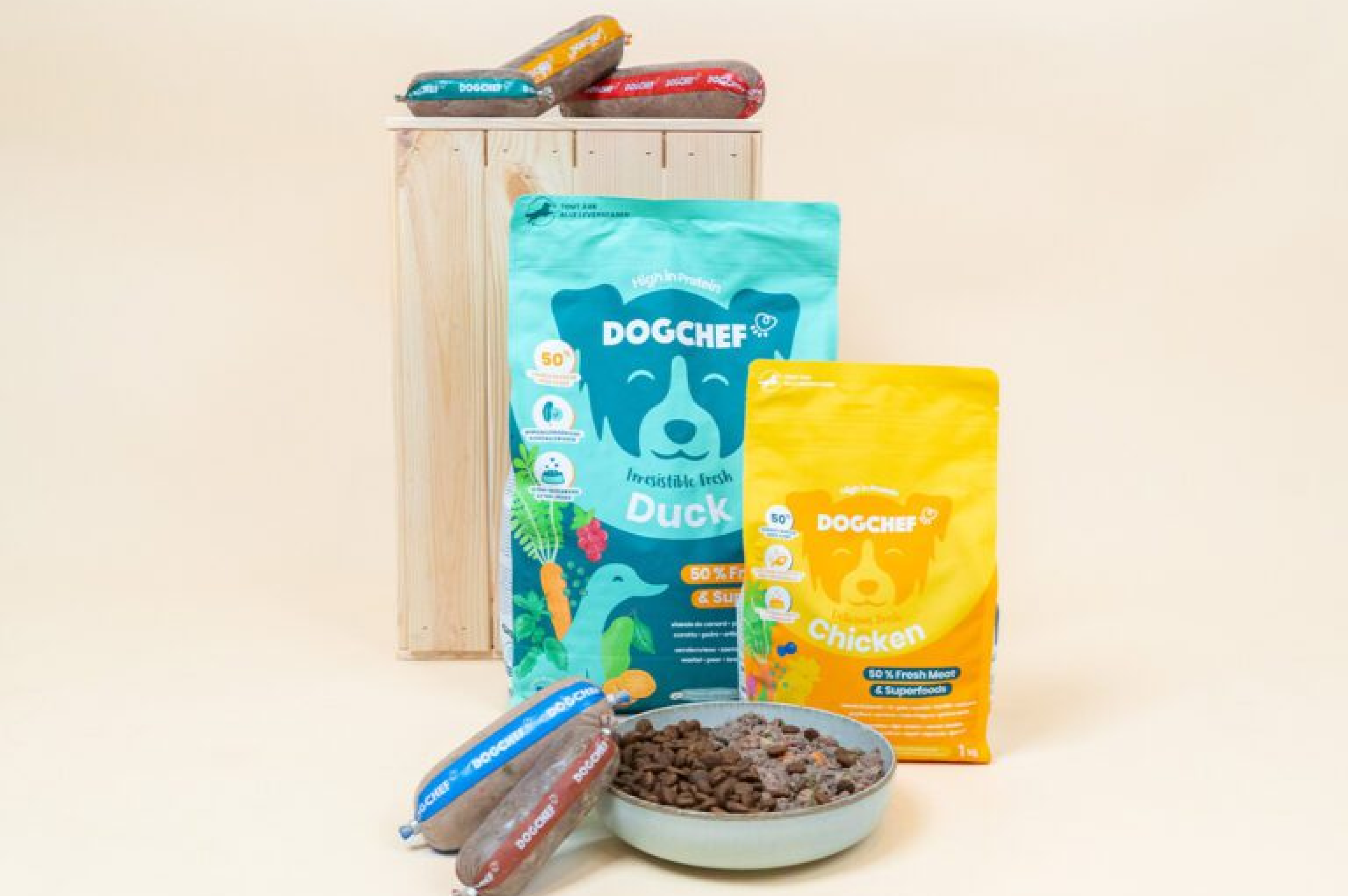
Dog Chef offers an ideal alternative to industrial kibble that is often too rich or overly processed. Our fresh recipes are developed by veterinarians for sensitive dogs, using fresh, high-quality ingredients for excellent digestibility.
For dogs prone to pancreatitis, certain menus help better control fat intake while remaining highly palatable. Gentle low-temperature cooking preserves essential vitamins and minerals.
In chronic pancreatitis, only the pork recipe is suitable due to its lower fat content. For acute pancreatitis, additional adjustments are needed to reduce fat further.
Our veterinary teams can help adapt your dog’s diet precisely to their situation.
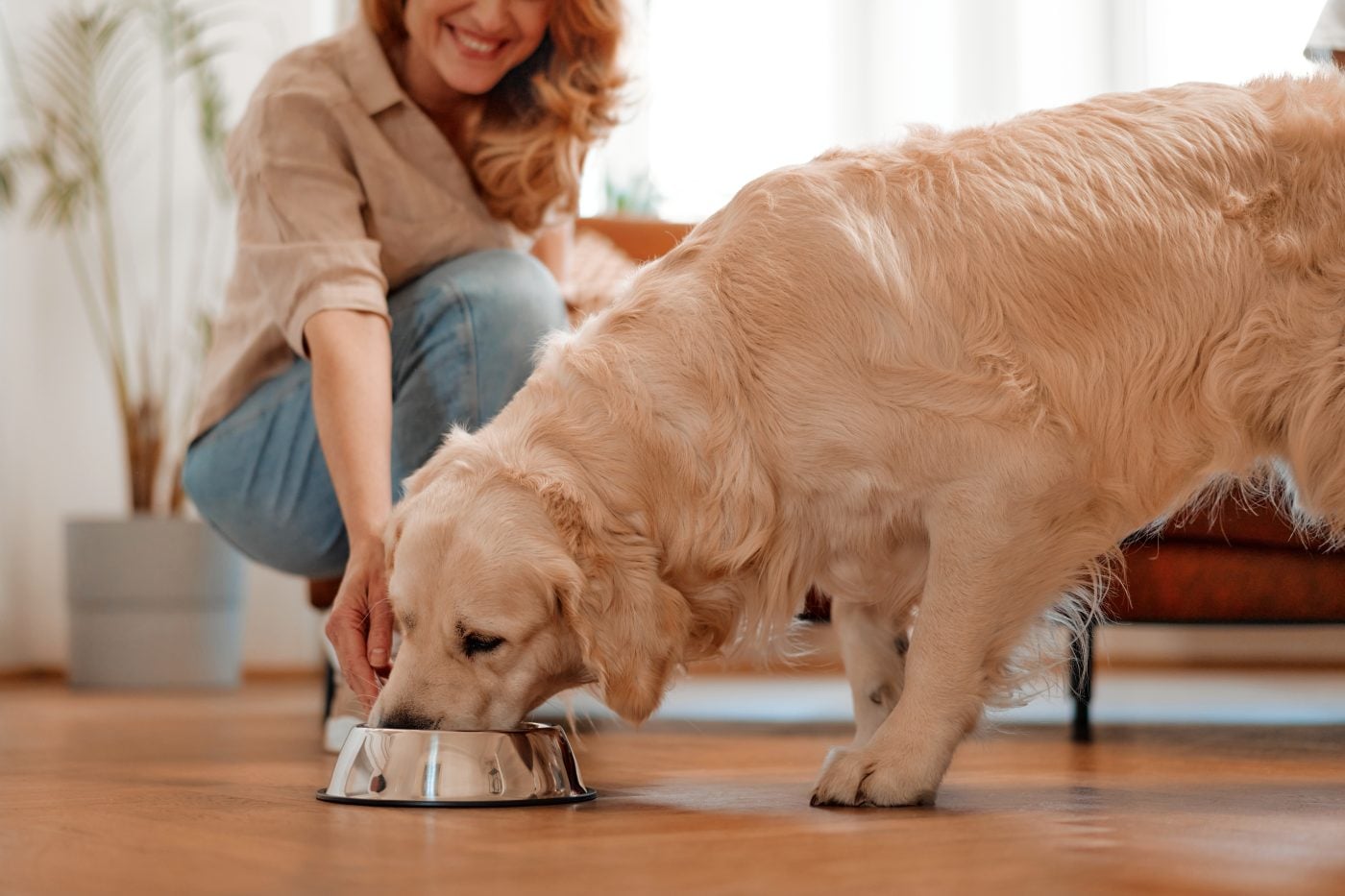
A dietary transition must be extremely gradual for a dog with pancreatitis. The enzymatic system needs time to adapt to the new nutrient source.
We recommend a 10-day transition: 25% Dog Chef for the first 3 days, 50% for the next 3 days, then 75%. During this phase, monitor for absence of vomiting or abdominal pain.
If your dog is coming out of an acute episode, ask your vet before starting. Serving the ration slightly warm and well mixed can help the stomach’s work.
Patience is your best ally for a successful transition to a healthier, more protective diet.

Your dog’s health deserves personalised attention. Because pancreatitis requires precise nutrient dosing, our nutritional assessment tool helps define the perfect menu. By entering your pet’s age, weight and history, you’ll receive a tailor-made recommendation validated by our experts.
Find the ideal solutionVotre navigateur est obsolète!
Mettez à jour votre navigateur pour afficher correctement ce site Web. Download Google Chrome