Overweight in dogs is a growing health issue that directly affects quality of life and lifespan. Carrying extra kilos is not just a cosmetic concern: it puts strain on the heart, stresses the joints and alters metabolism. But excess weight is not inevitable.
By spotting early signs of weight gain and choosing high-quality nutrition, you can help your dog get back to a healthy weight. Discover how an approach based on fresh ingredients and personalised portions can combine mealtime enjoyment with long-term health.
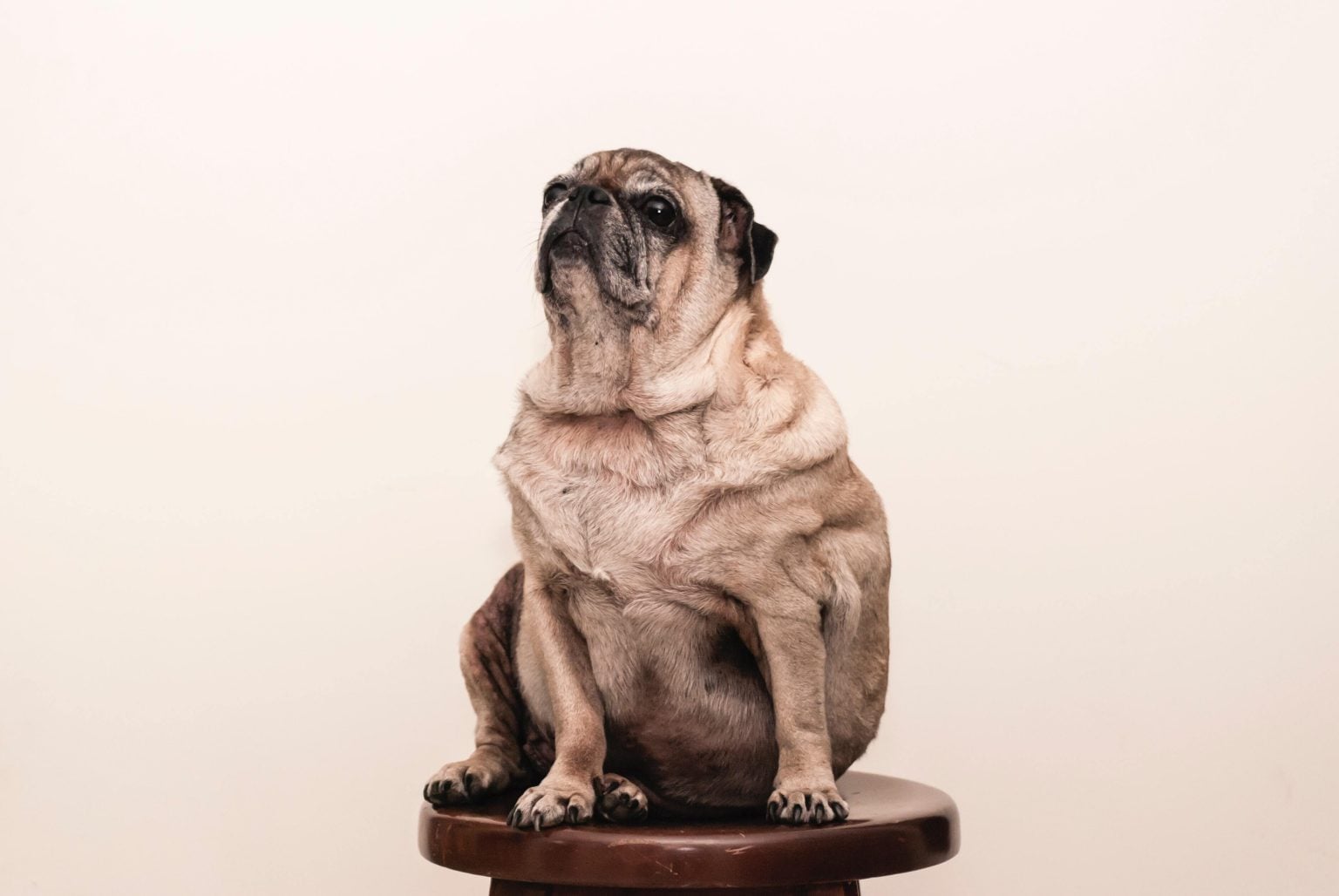
Overweight is defined as an excessive accumulation of body fat, usually 10% to 20% above the breed’s ideal weight. When the gap exceeds 20%, it is considered obesity.
Contrary to a common belief, weighing your dog alone isn’t enough to diagnose overweight. Vets use the Body Condition Score (BCS): in an ideal silhouette, the ribs are not visible but should be easy to feel, and the waist should be visible from above.
In an overweight dog, a layer of fat makes the ribs hard to feel and the waistline disappears. Identifying this matters because fat tissue produces inflammatory hormones that harm the body over time, increases joint load (promoting osteoarthritis), and adds cardiovascular strain with every movement.
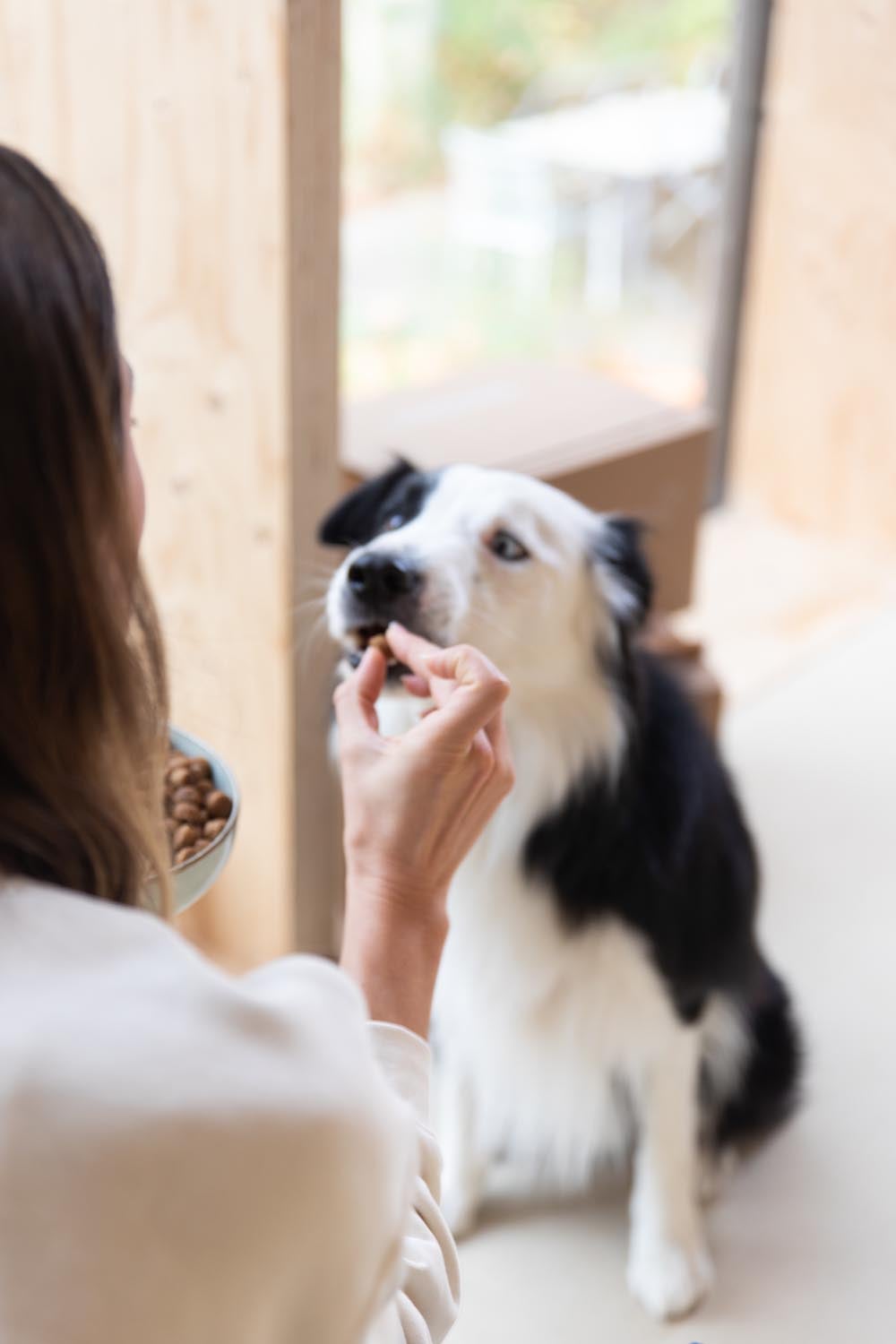
While any dog can become overweight, some breeds have strong genetic predispositions. Labradors and Golden Retrievers are well known for their appetite and tendency to store calories. Smaller breeds like Bulldogs and Dachshunds can also be vulnerable, often due to slower metabolism or lower activity. Beagles may constantly seek food as well.
For these breeds, extra vigilance on portions and nutrient quality is essential from a young age to prevent chronic overweight that becomes difficult to reverse.
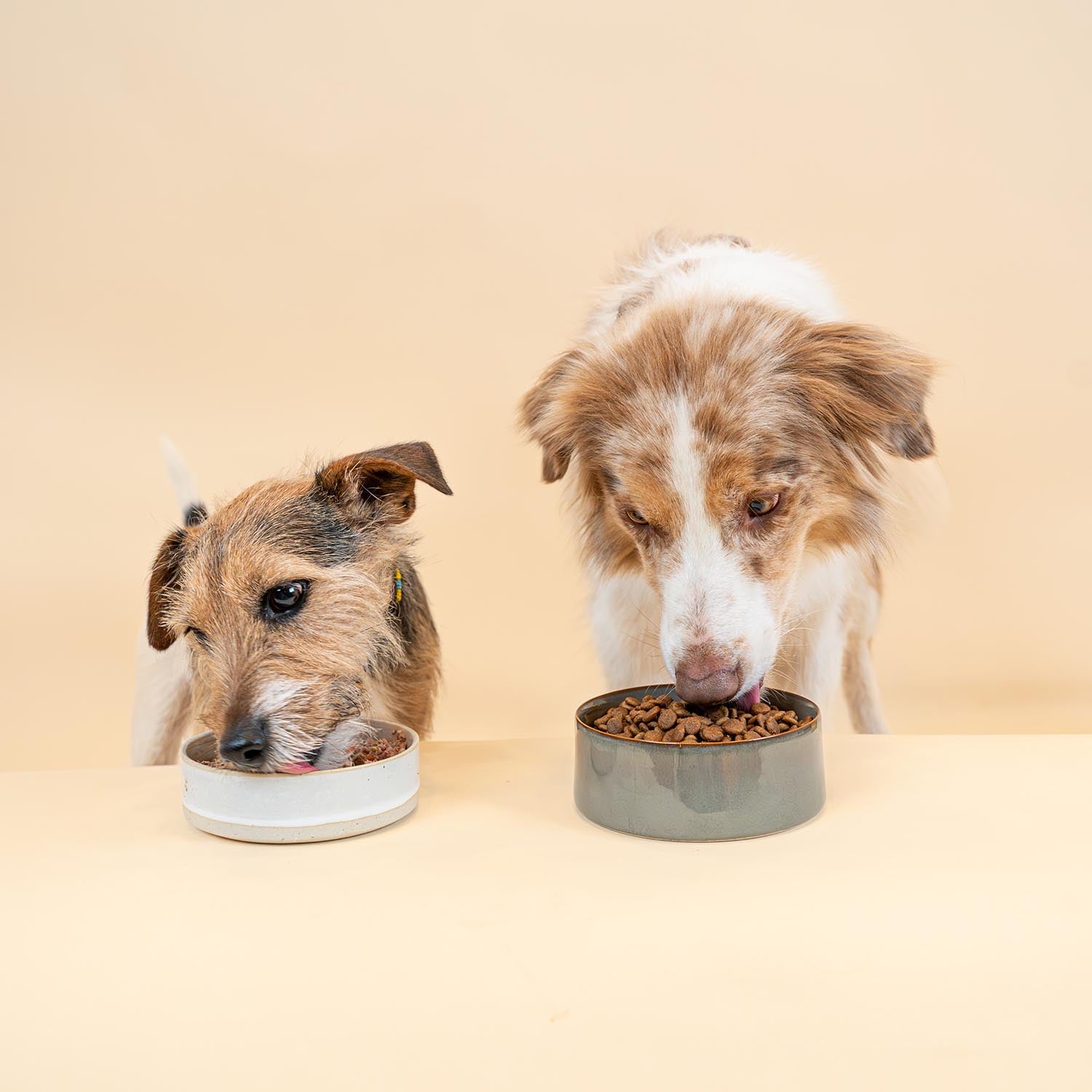
Overweight isn’t just aesthetic; it’s a chronic inflammatory state that can reduce your dog’s lifespan by 2 to 3 years (2019 study mentioned on the page).
Joints are among the first victims: extra weight accelerates cartilage wear and leads to painful osteoarthritis. Metabolically, the risk of diabetes increases significantly, often alongside high blood pressure. The heart and lungs must work continuously to oxygenate a heavier body, which can promote earlier cardiac issues. Overweight also weakens the immune system and makes surgery more complex. Maintaining an ideal weight through adapted nutrition is therefore the main lever to prevent serious complications and support daily well-being.
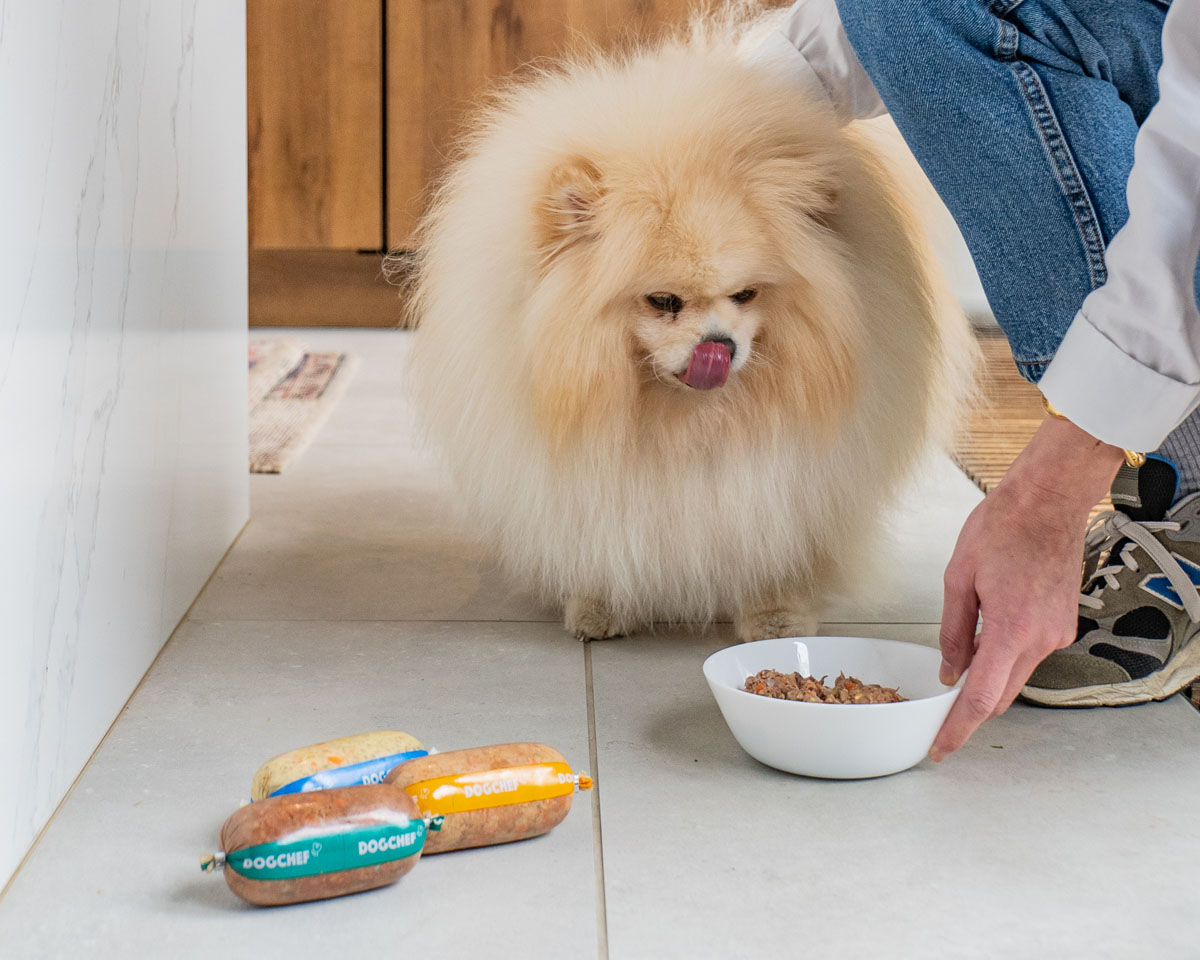
Diagnosis starts with a thorough veterinary consultation to assess your dog’s body condition score and rule out underlying medical causes (such as hypothyroidism).
Once overweight is confirmed, management relies on a structured strategy:
Diet is the most decisive factor in weight management. For an overweight dog, the main goal is to reduce energy intake while preserving satiety. Fibre-rich foods can fill the stomach without adding calories.
At the same time, a high level of high-quality protein is essential to preserve muscle mass during fat loss. Unlike the complex carbs often found in ultra-processed foods, protein supports metabolism effectively.
Finally, wet or fresh food is naturally more filling than dry food because it contains more water—allowing a larger bowl volume for the same calorie intake.
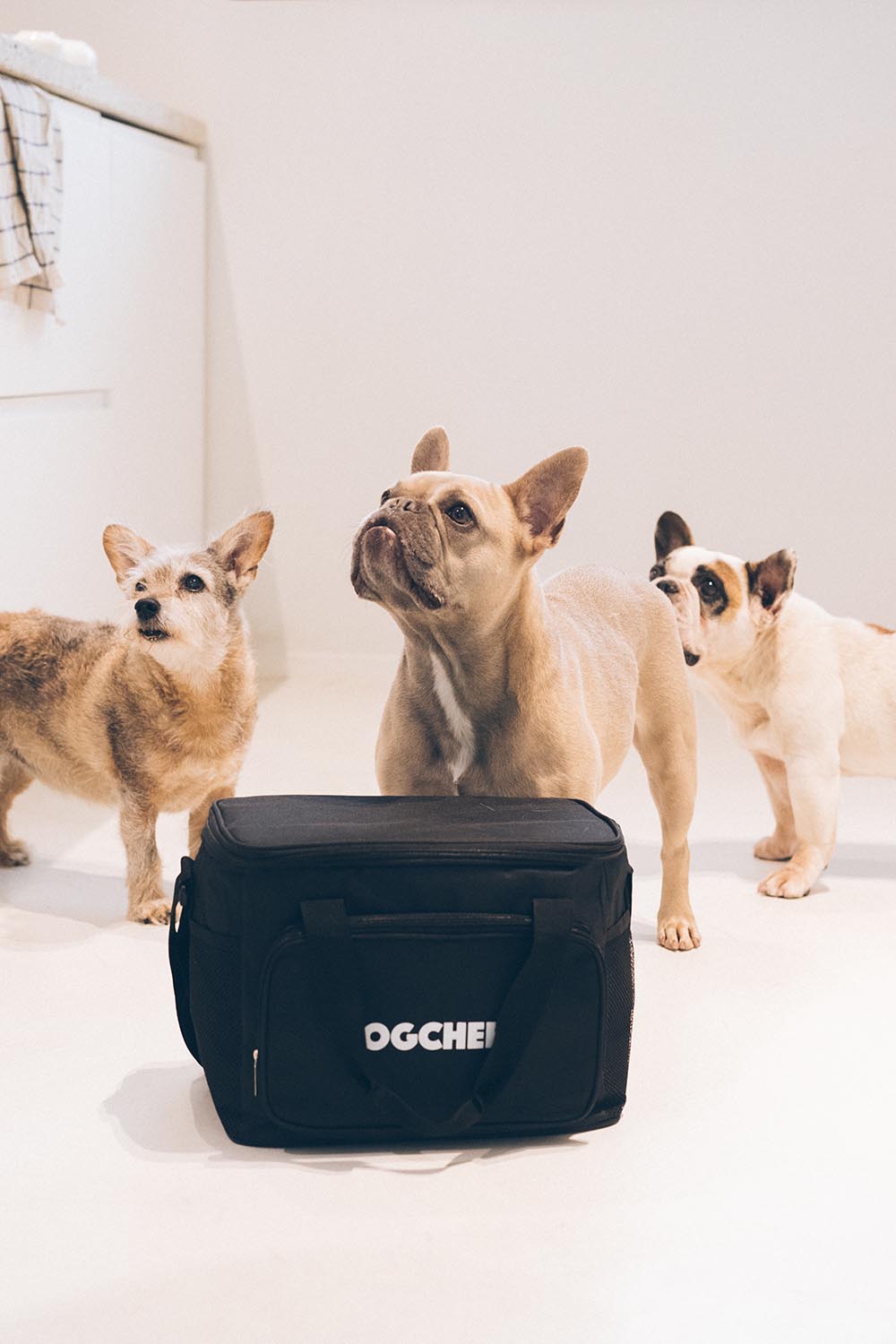
Dog Chef offers a healthier, more precise alternative to ultra-processed products to support canine weight loss. Since 2017, we’ve worked with veterinarians to create fresh recipes cooked at low temperature to preserve nutrients.
Our strength lies in personalisation: our algorithm calculates an exact portion based on your dog’s age, breed and activity level. If your dog is overweight, you can contact our veterinary team, who will adapt the ration more precisely depending on the percentage of weight to lose.
Our meals are rich in quality meats and fresh vegetables, with high nutrient density and low carbohydrates. Voted “Product of the Year 2026”, our menus help control calories without sacrificing taste or essential nutrients (vitamins, minerals, omega-3).

Switching from industrial dry food to Dog Chef fresh meals should be gradual to let your dog’s digestive system adapt smoothly. We recommend a 7-day transition:
For an overweight dog, this period is also ideal to install sustainable habits: serve meals at fixed times and stick strictly to our pre-calculated portions to avoid unnecessary calorie excess. This gentle method helps prevent digestive upset and supports optimal acceptance of the new diet – key for returning to a healthy weight and long-term health.
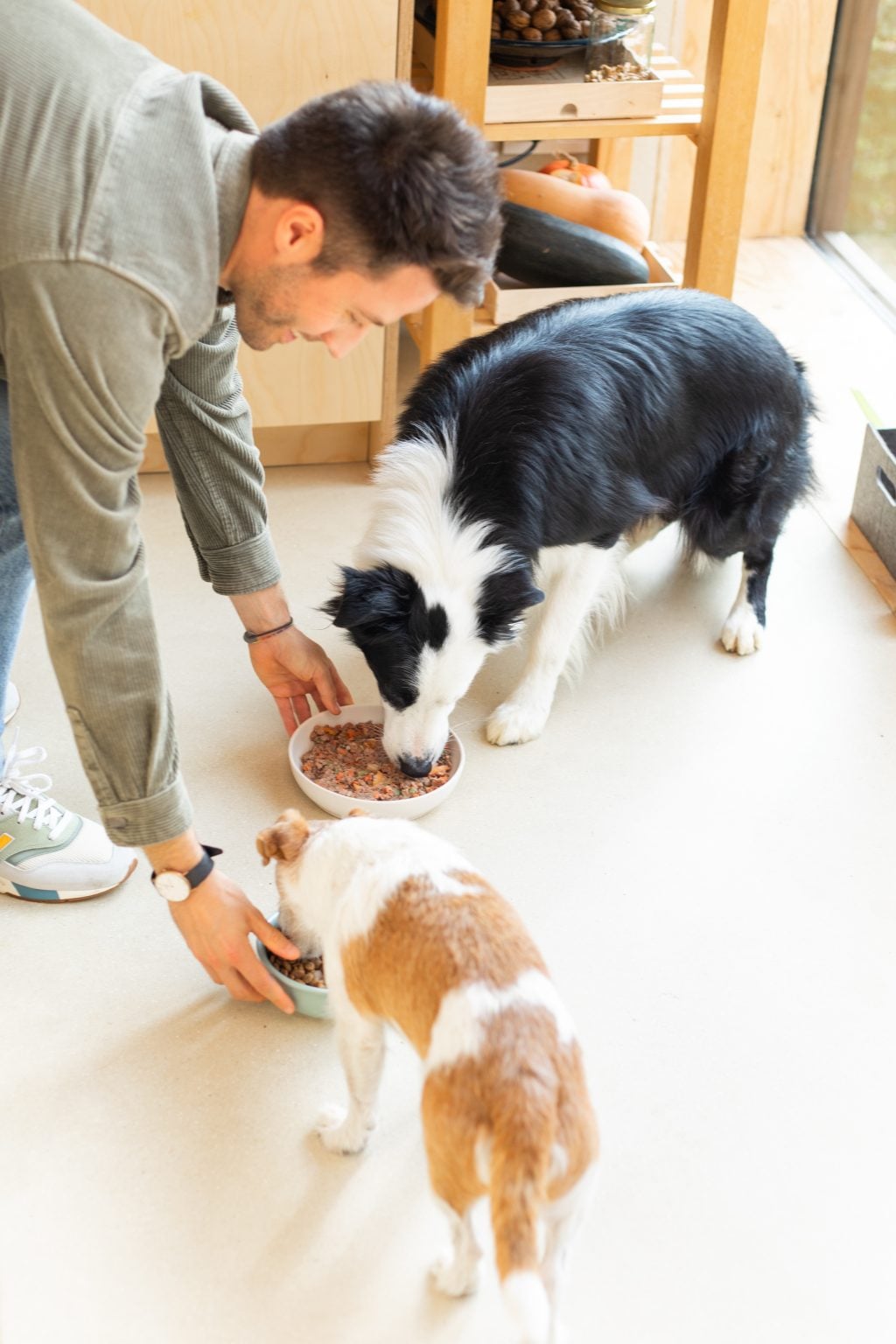

Every dog has unique metabolic needs. For effective, safe weight loss, it’s important not to rely on approximations. Our simulation tool analyses your dog’s full profile to define the ideal ration. With this free estimate, you receive a personalised recommendation developed with canine nutrition experts. Take the first step toward your dog’s well-being and see how our fresh meals can transform their health.
Find the ideal solutionVotre navigateur est obsolète!
Mettez à jour votre navigateur pour afficher correctement ce site Web. Download Google Chrome