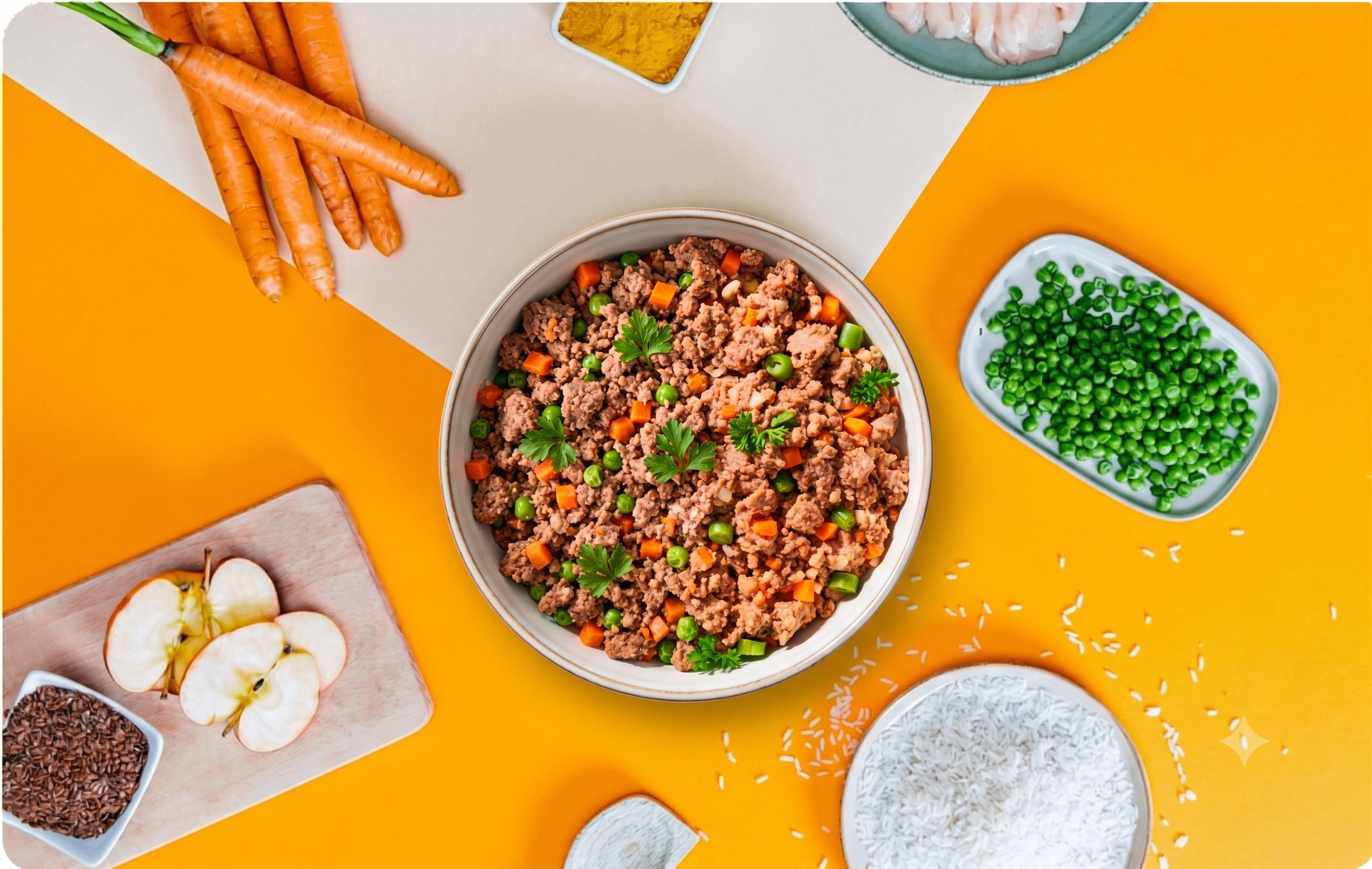
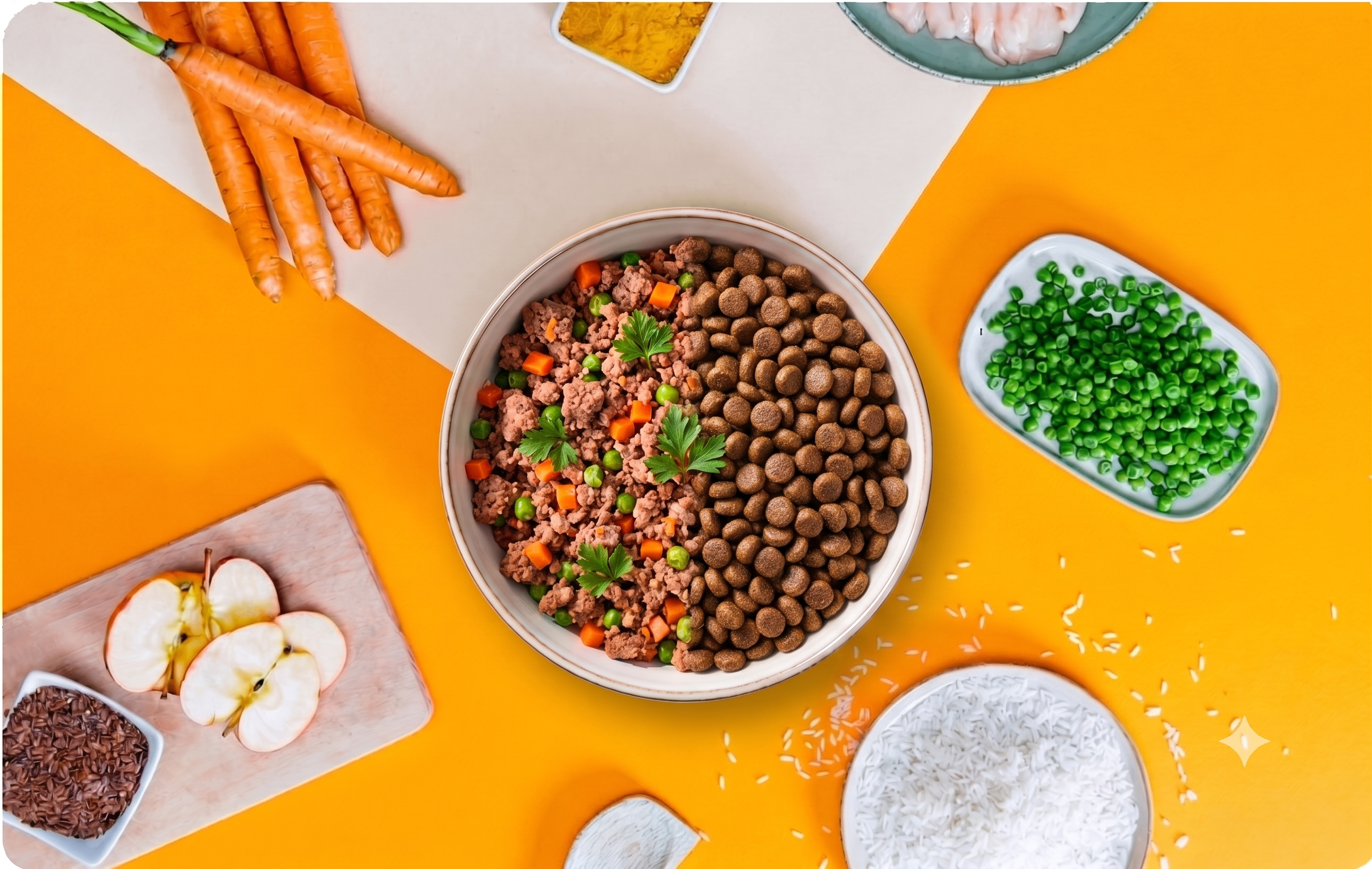
A puppy’s first months are crucial. Their diet directly impacts growth and helps shape their long-term health.
Discover how to choose food that’s truly adapted to your puppy and make the right decisions from the start. A balanced diet in the early months supports the development of bones, muscles and the immune system – laying the foundations for a healthy adult life.
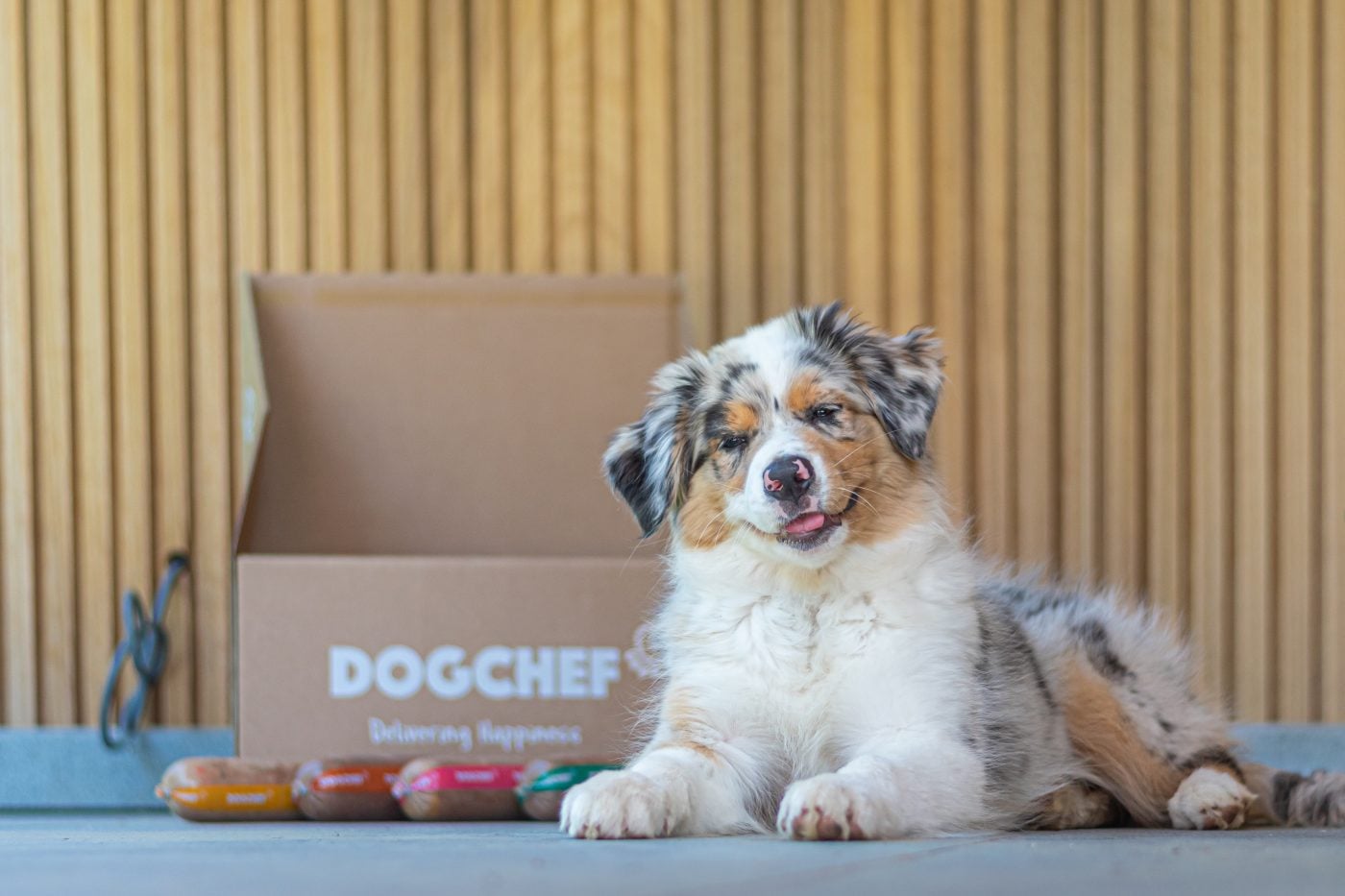



Contrary to what you might think, a puppy isn’t just a “mini adult dog”. Their nutritional needs are different – higher and more sensitive:


With the right nutrition, every meal becomes an investment in your puppy’s future health.
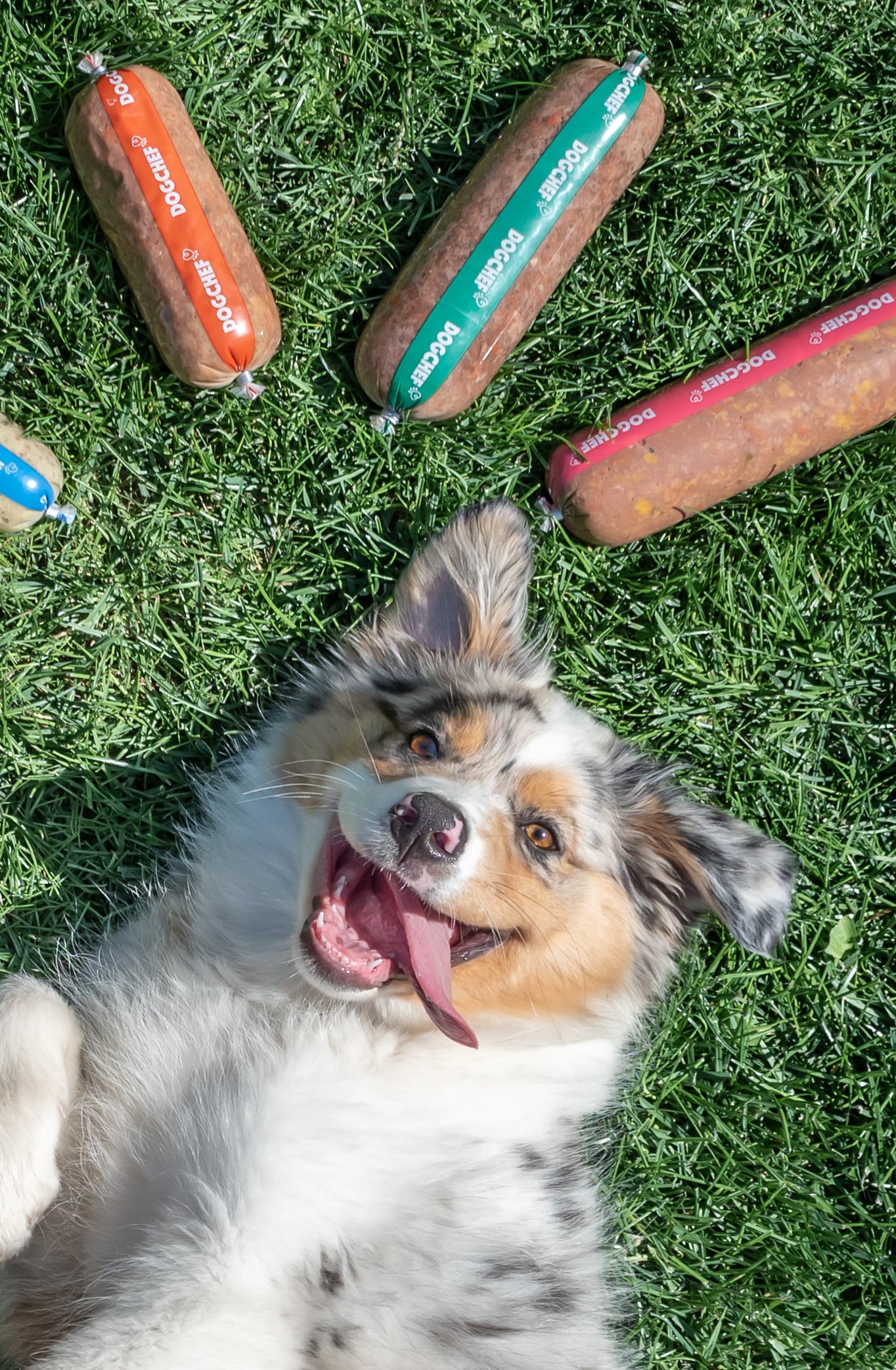
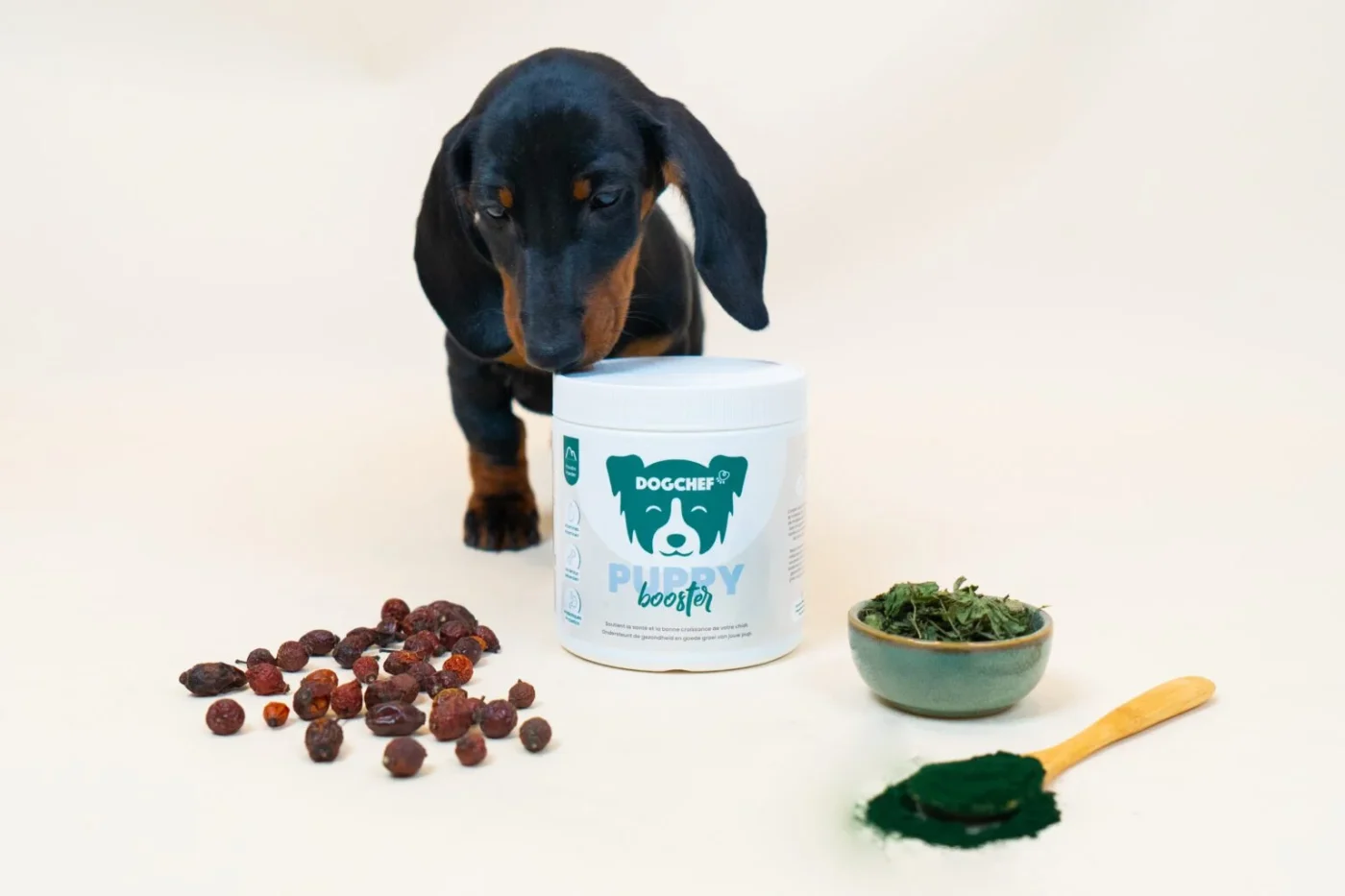
For puppies up to 14 weeks, adding the Puppy Booster is mandatory—otherwise the recipes would not be complete and would be too low in phosphorus. It is recommended to add it to the recipes throughout the entire puppy stage, and also for female dogs during pregnancy or lactation.
The Puppy Booster is provided free of charge with the Dog Chef fresh-meal subscription for puppies up to 6 months.
By adding the Puppy Booster, Dog Chef rations will also be adapted for the youngest dogs (with a good calcium/phosphorus balance, Ca/P = 1.4).
Puppy growth happens in stages. At each key period, nutritional needs evolve – and their diet should adapt to support development.
Mother’s milk is the only food source. It supports balanced growth and provides the first immune defences – essential for health.

Your puppy discovers solid food. A highly digestible diet, adapted to a small jaw, helps ensure a smooth transition.

This is when they grow the fastest. They need energy, proteins, calcium and minerals to support this impressive pace.

Needs decrease, but balanced nutrition remains essential to consolidate growth and avoid excess that can lead to overweight.
There are several options to feed your puppy – each with its own benefits.
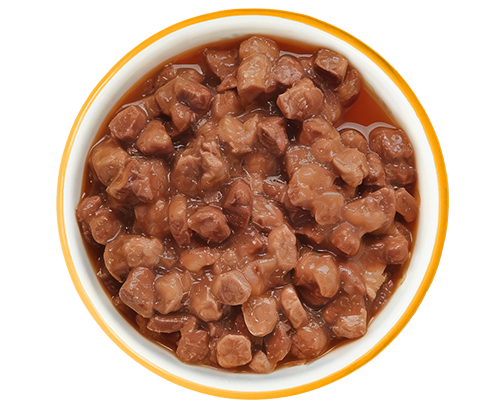
Wet food preserves more nutrients thanks to its cooking process. It must remain balanced and high-quality to cover all puppy needs, with appropriate levels of vitamins, minerals and essential amino acids.
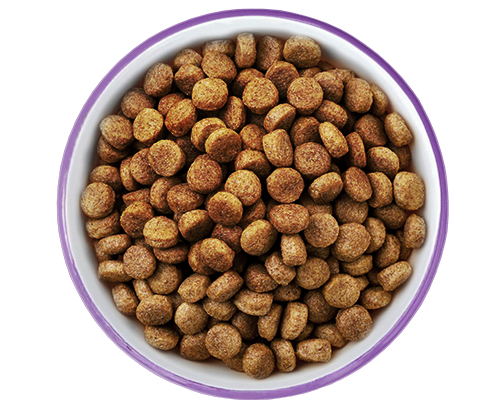
Dry food is mainly kibble, with suitable levels of protein, calcium and phosphorus. It’s practical, easy to store and always available.
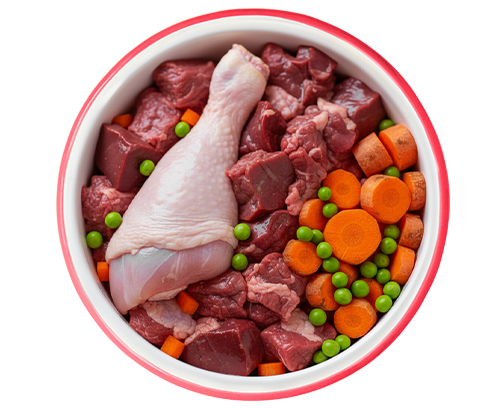
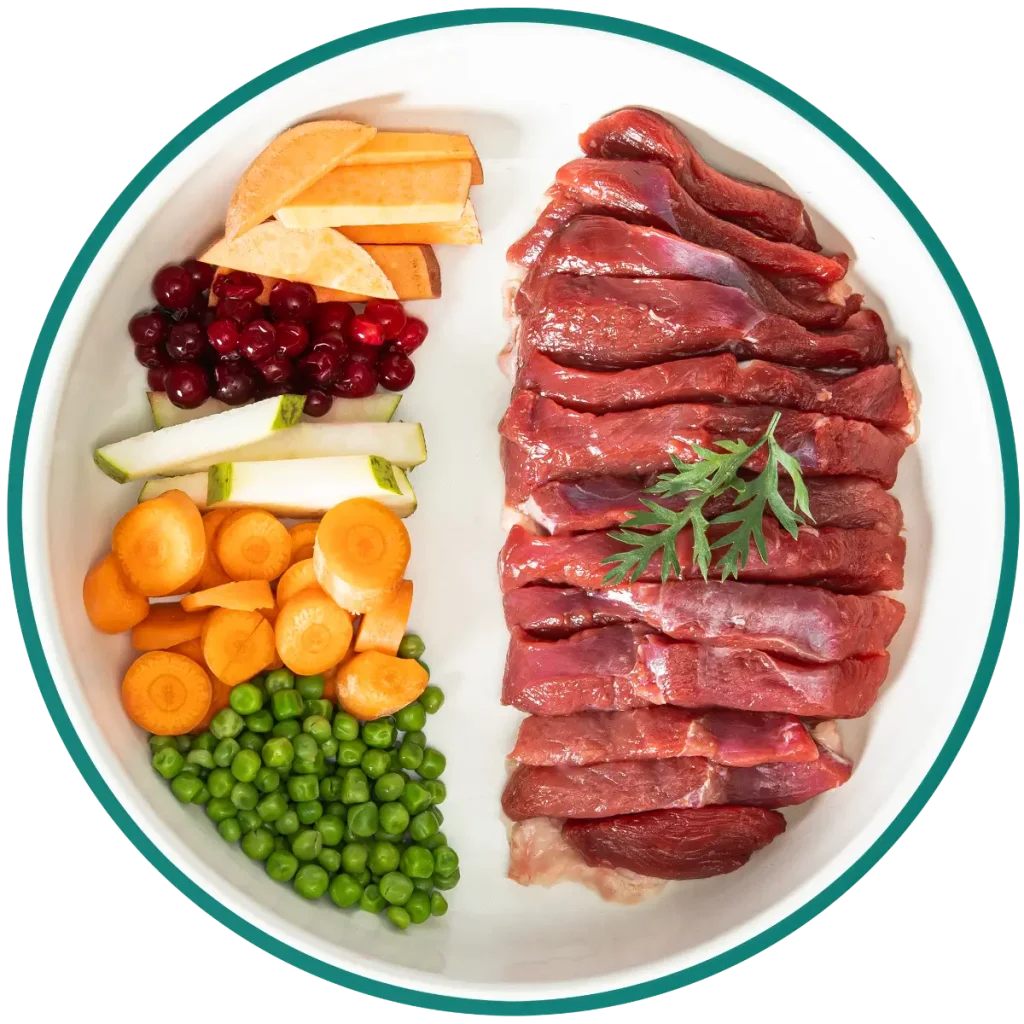
BARF focuses on raw foods such as meat, meaty bones and offal, complemented with fruits and vegetables – aiming to get closer to a dog’s “natural” diet.
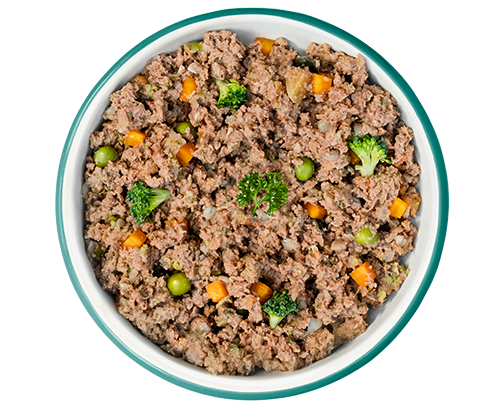
Home-cooked meals made from fresh, cooked ingredients: meat, starches and vegetables.
Fresh food stands out thanks to minimally processed ingredients, better digestibility and naturally high palatability – driven by ingredient quality and how it’s prepared.
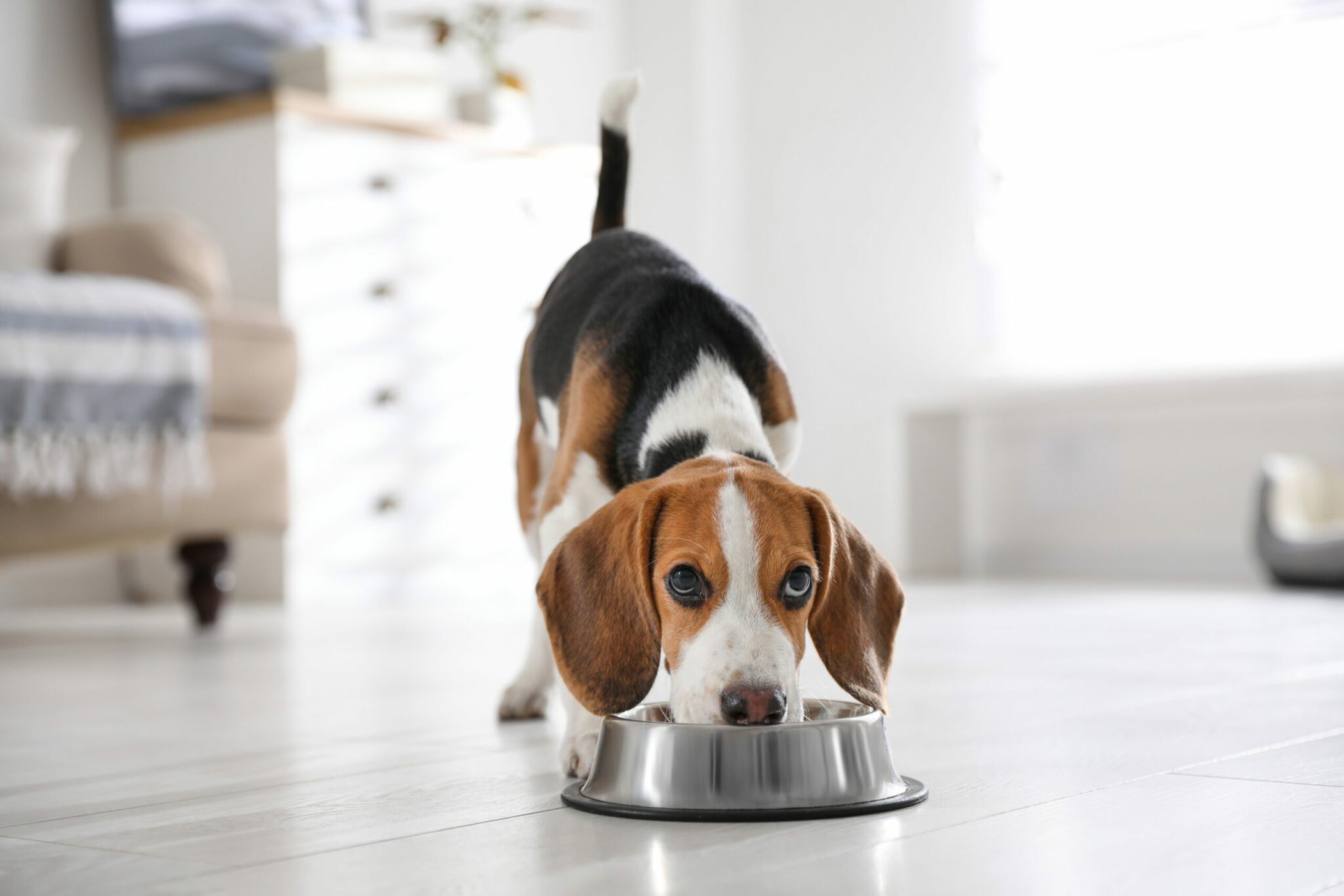


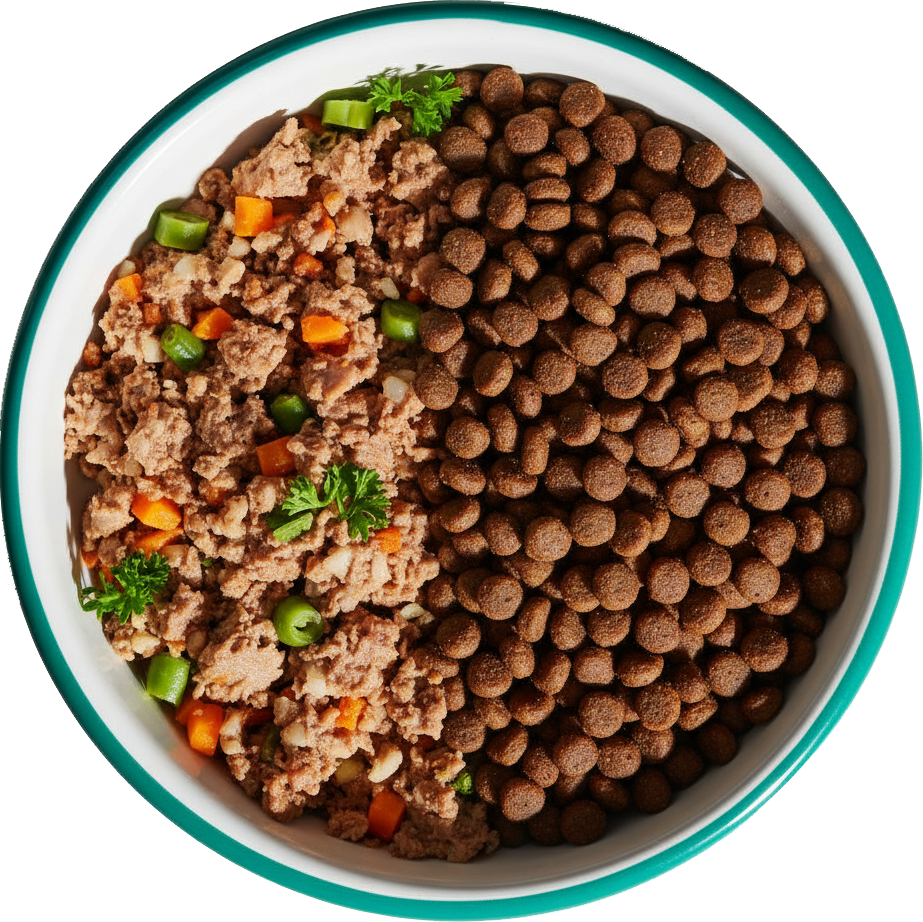



Dog Chef offers fresh meals formulated with veterinarians, specifically adapted to the nutritional needs of growing puppies. To support you daily, puppy plans are available and adjusted based on your dog’s age, weight and profile.

The right amount depends on age, current weight and estimated adult weight. A personalised ration is essential to avoid deficiencies or overfeeding. To find the ideal portion for your puppy, take our quiz to get a tailored recommendation.
In general, you can feed puppy food until the end of growth – this varies greatly depending on breed (more precisely, the dog’s size).
Most foods humans can eat can also be given to dogs, but be careful: their metabolism is different and some foods can be toxic. Without precise formulation, “homemade” meals can lead to nutritional imbalances. Use professional resources or ask your veterinarian before giving raw ingredients.

Bringing a new puppy into your home is an exciting adventure! But with it comes the challenge of teaching your pup how to toilet train. Here…

You’ve just welcomed a new member into the family, and everyone is delighted! But when should you start training a puppy? Which commands sho…
Votre navigateur est obsolète!
Mettez à jour votre navigateur pour afficher correctement ce site Web. Download Google Chrome