Watching your dog grow older is a natural stage of life. Their pace slows down, their appetite may change, and their needs evolve over time. A suitable diet helps preserve vitality, support digestive and joint comfort, and keep sharing gentle moments of companionship for as long as possible.
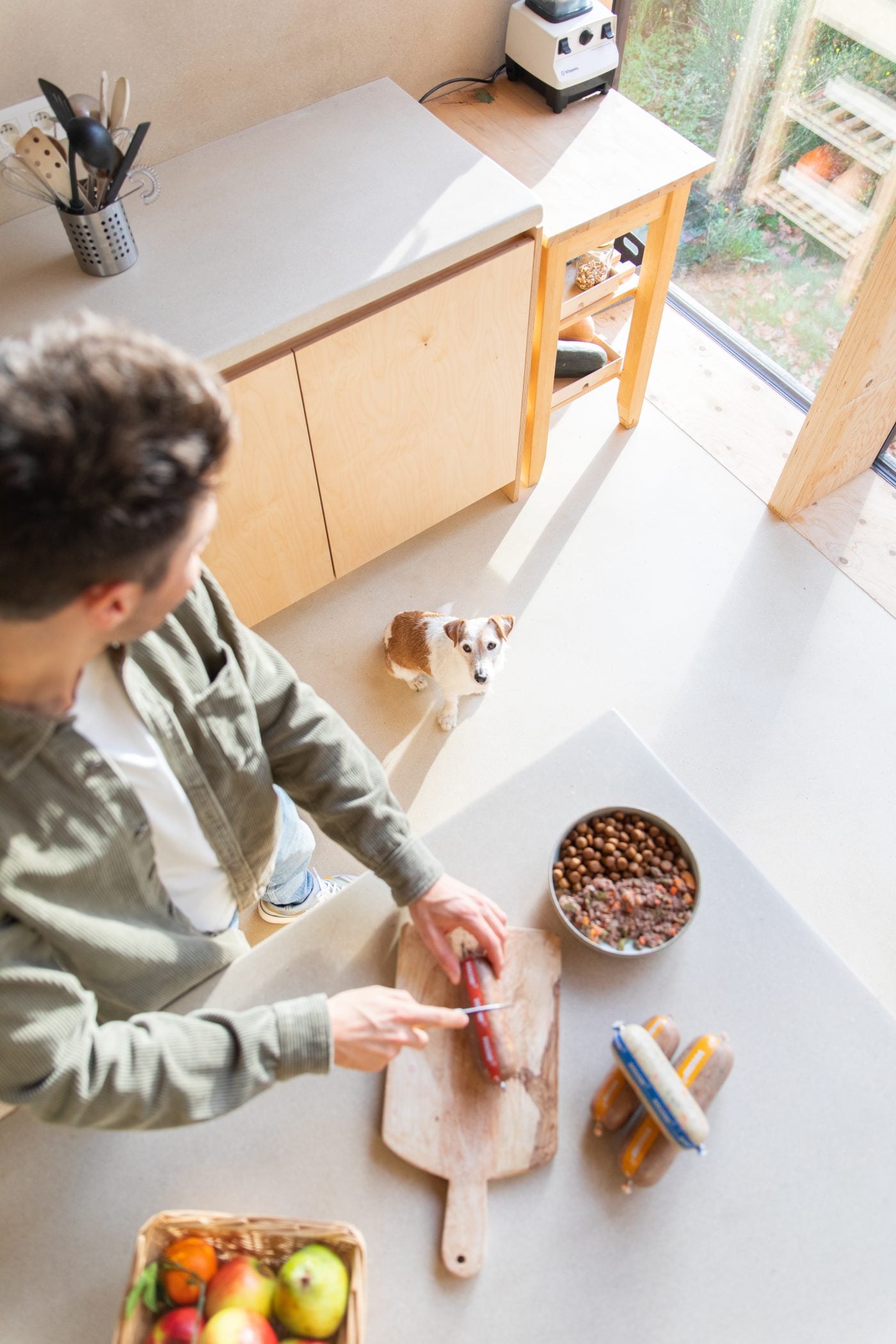




For senior dogs, the goal is no longer performance, but balance and comfort. Their needs remain specific and require an adapted diet – without compromising nutritional quality.


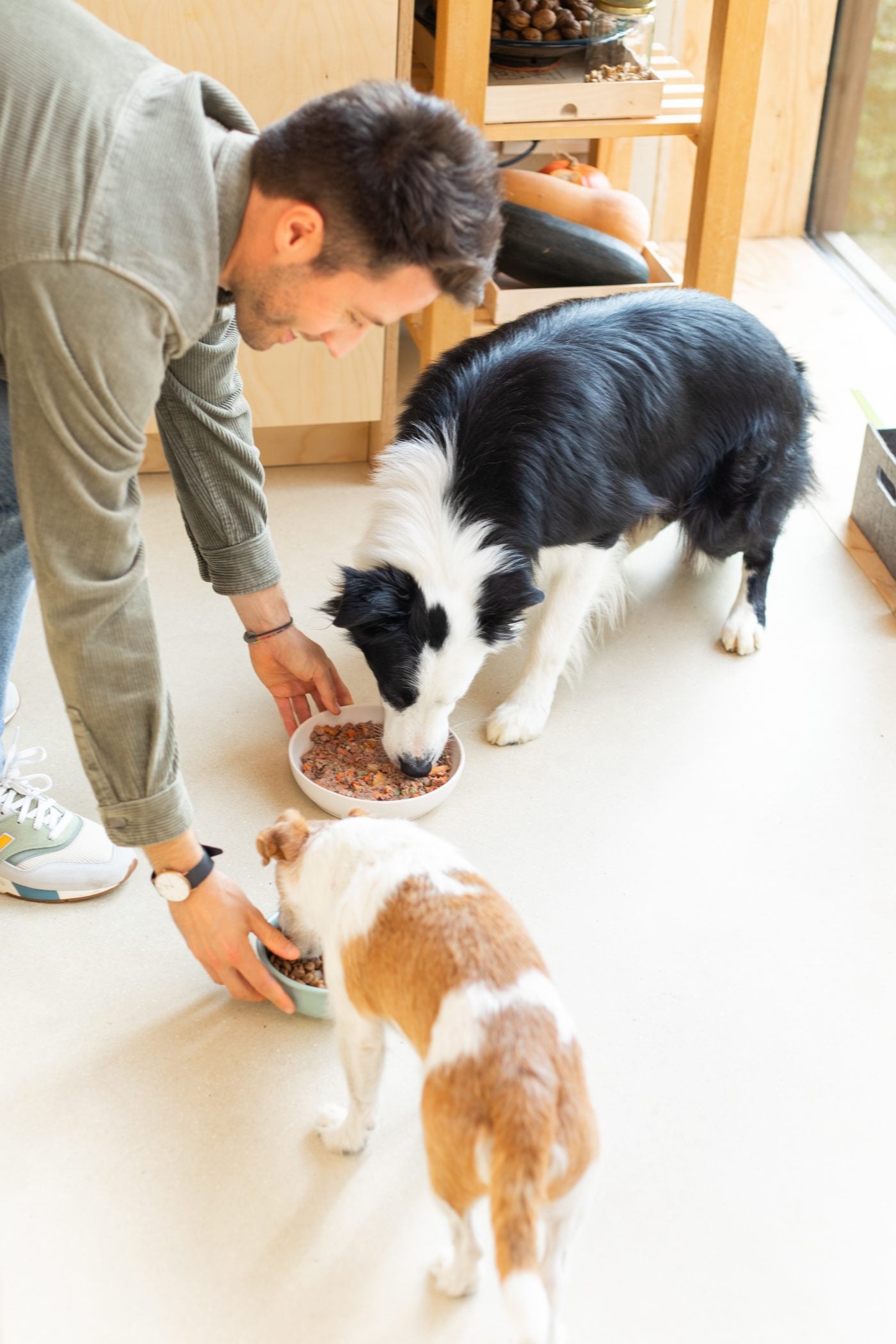
The older your dog gets, the more likely they are to eat less or lose interest in food. Several factors can explain this: a reduced sense of smell, more sensitive or missing teeth, food boredom, or joint discomfort that makes mealtimes less enjoyable.
In this context, fresh food can make a real difference. Its natural smell, softer texture and higher moisture content can stimulate appetite and make eating easier – while still meeting your senior dog’s specific needs.
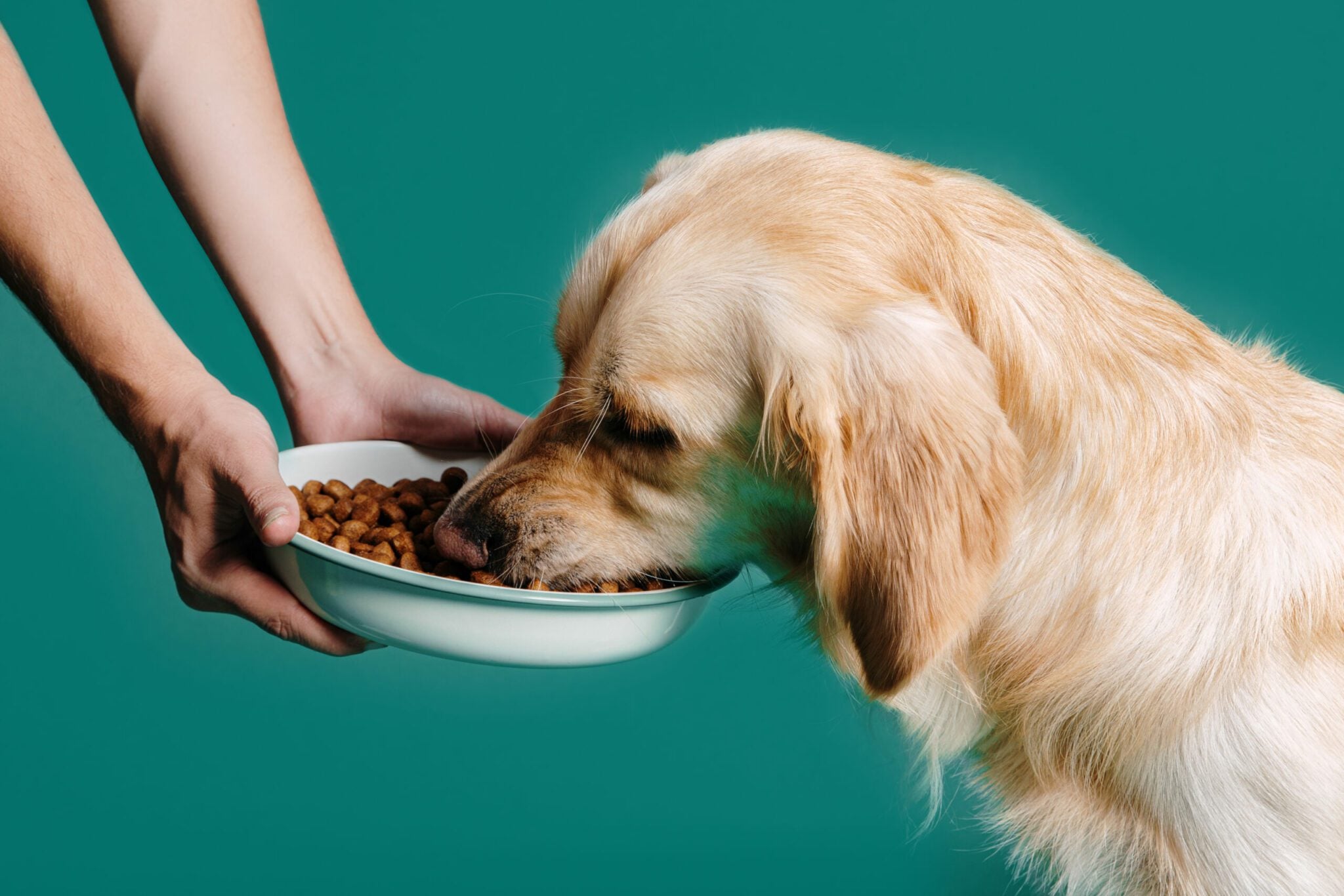



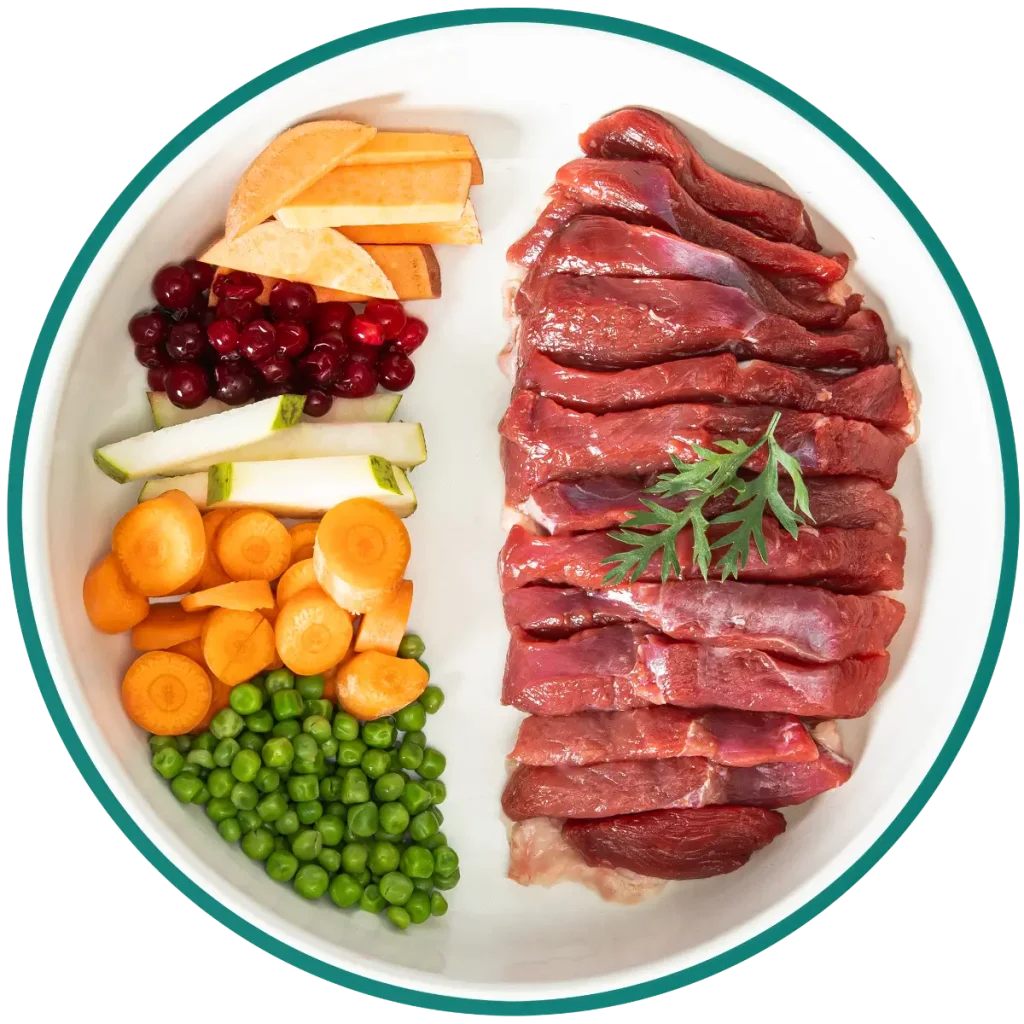
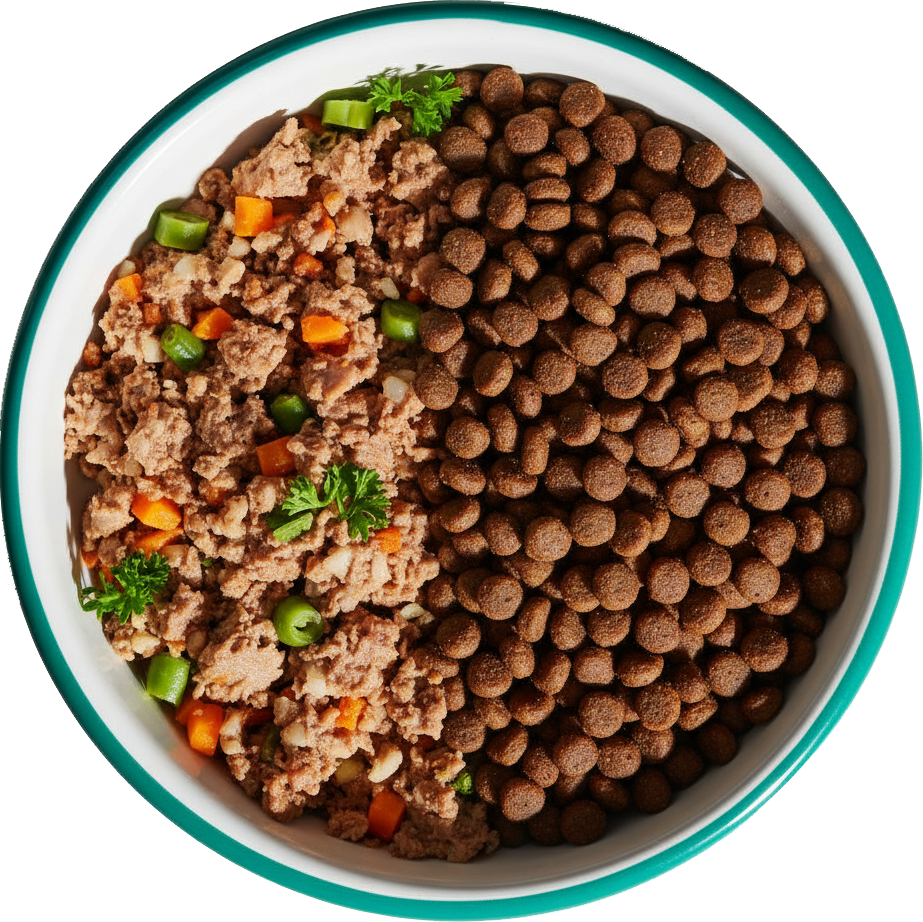


Since 2017, Dog Chef has put its expertise at the service of dogs’ well-being at every stage of life. Recipes are carefully prepared, rigorously controlled and portioned to match your companion’s profile.
Dog Chef offers fresh meals designed to support senior dogs with gentleness and precision:

Yes. Reduced appetite is common with age. Adjusting texture, smell and meal composition can help.
A highly digestible, well-formulated diet adapted to their sensitivities is generally more comfortable.
One to two meals per day are often recommended, depending on appetite and overall condition.
An adapted diet can contribute to joint comfort, alongside veterinary follow-up.
Yes. Recipes are personalised to meet the specific needs of older dogs.

When you adopt a dog, the first thing you think about is long walks, licking and, if you are well informed, barking and scratching in the ga…

Like us, our furry friends are unfortunately not immortal, and there is no miracle cure to lengthen their life expectancy. Although… By ad…

Does your dog, once so full of energy, seem to be slowing down? Like us, they can’t escape old age and all that entails! Even though they …

After a certain age, our seniors no longer have the same dietary needs as before. From the age of 7, they tend to be less active and their m…
Votre navigateur est obsolète!
Mettez à jour votre navigateur pour afficher correctement ce site Web. Download Google Chrome