

📢 -20% ON YOUR TRIAL BOX + FREE DELIVERY📦! CLICK HERE 👈

📢 {{ discount }} DISCOUNT ON YOUR TRIAL BOX WITH {{ coupon }} + FREE DELIVERY📦 CLICK HERE 👈

Rediscover homemade dog food

Choosing homemade meals lets you pick exactly what your dog eats: meat, vegetables, carbohydrates and fats.

However, preparing every meal takes time, organisation and a solid understanding of your dog’s nutritional needs. A balanced homemade diet must precisely cover requirements for protein, carbohydrates, fats, fibre, vitamins and minerals – depending on your dog’s age, weight and activity level. An imbalance in proportions can go unnoticed for a long time.

Create your dog's menu
DOG CHEF REVIEWS
4.8 / 5 based on 7,845 reviews

What do we mean by homemade dog food?

Preparing your dog’s meals means building their menu yourself using fresh ingredients: meat or fish, carbohydrates, vegetables, oils – sometimes with supplements. The idea can be appealing: cooking for your dog like you do for the rest of the household, with recipes that feel more varied than traditional kibble.

But nutritional balance isn’t something you can improvise. Nutrient intakes must match your dog’s metabolism.
Many recipes found online aren’t designed by a canine nutrition specialist and aren’t suitable for every dog.

Making a complete daily ration also requires time and accuracy. That’s the approach behind Dog Chef meals: the same families of ingredients as a homemade diet, but with controlled, consistent formulation – easier to fit into everyday life.

Homemade ingredients  

Homemade feeding relies on a precise balance between protein, fibre, carbohydrates and fats. Each ingredient plays a specific role in your dog’s daily ration. When properly measured, they help meet nutritional needs day after day.

Animal proteins
Animal proteins (chicken, turkey, beef, fish, etc.) form the foundation of the ration. They provide essential amino acids to maintain muscle mass and support the body’s vital functions.
Vegetables and fibre
Vegetables such as carrots or courgettes provide fibre and certain micronutrients. In the right amounts, they support digestive comfort without replacing protein.
Carbohydrate sources
Rice, potatoes or sweet potatoes provide energy in the form of carbohydrates. They also influence the texture of the meal.
Quality fats
Oils provide essential fatty acids (omega-3 and omega-6), which support skin and coat health. Too much fat makes the ration overly calorie-dense – another reason why good balance matters.

Recipes that follow nutritional rules

For homemade food to truly suit your dog, it must respect nutrient balance, appropriate cooking, strict hygiene and consistent portion sizes. A complete ration combines animal proteins, carbohydrates, vegetables, quality fats, and a vitamin–mineral supplement.

Without these guidelines, deficiencies can develop (vitamins, minerals, omega-3, omega-6, or essential amino acids). Protein and fat levels, as well as the calcium/phosphorus ratio, must be calculated precisely.

Dog Chef recipes follow these principles. Developed with veterinarians, they combine fresh meats or fish, vegetables, carbohydrates and selected oils—along with carefully controlled vitamins and minerals.

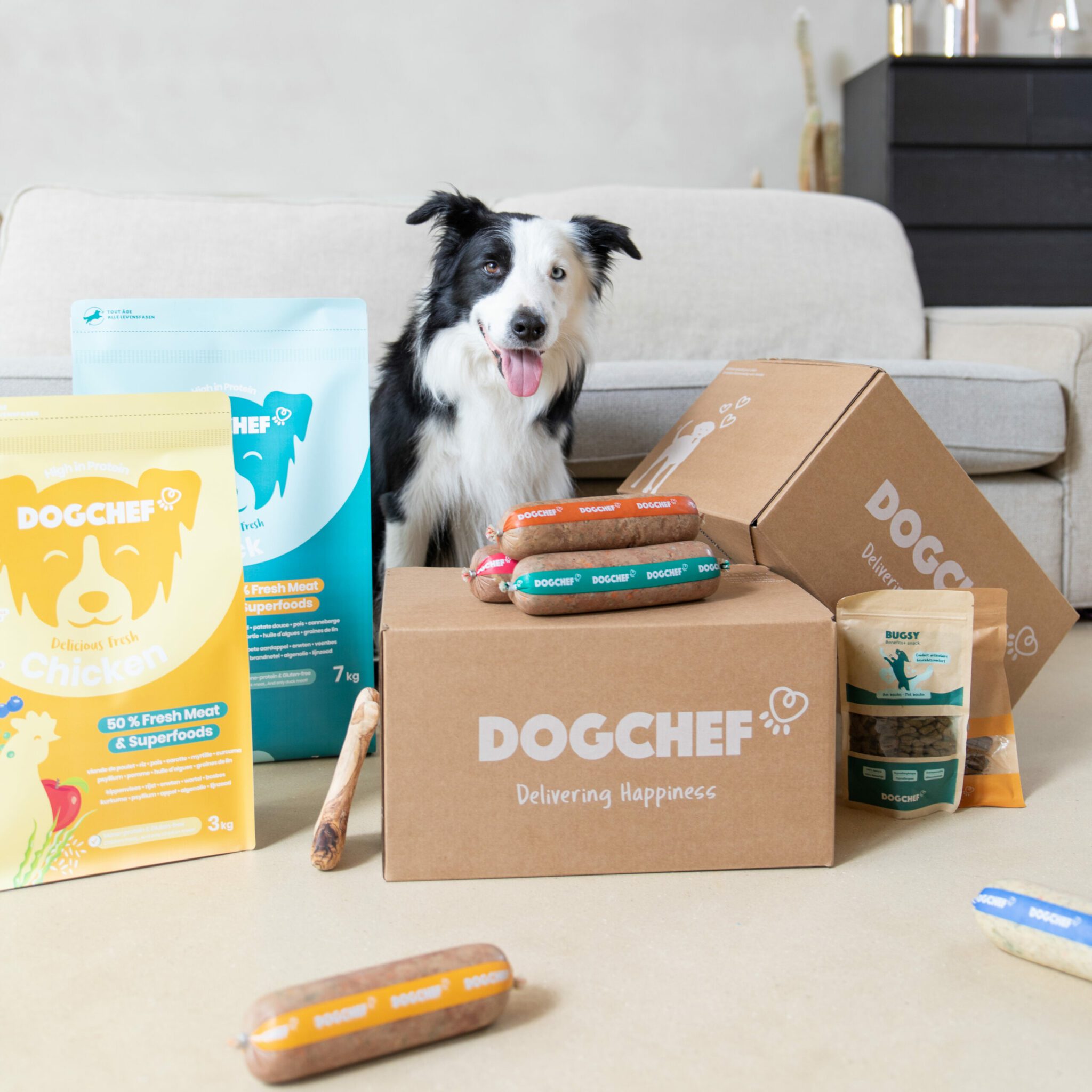
Dog Chef: fresh meals formulated to meet your dog’s needs

Our goal is to offer fresh, cooked meals that are formulated to precisely cover your dog’s nutritional needs – while staying simple to use every day.

We offer complete recipes developed with veterinarians: some with rice or other digestible grains, and others grain-free.

We focus on clearly identified animal proteins, carbohydrates chosen for digestibility, and a carefully controlled balance of fibre, fats, vitamins and minerals. Our meals are cooked from natural ingredients, with no artificial preservatives, using gentle cooking. Our goal is simple: to give you transparent information so you can confidently choose what suits your dog best.

Votre navigateur est obsolète!

Mettez à jour votre navigateur pour afficher correctement ce site Web. Download Google Chrome

×