Your companion’s health starts in their bowl, but sometimes things go off track. Digestive issues in dogs are common and can significantly impact their joy of life. Whether it’s bloating or irregular stools, these signs should not be ignored.
Understanding how the canine digestive system works is the first step to offering your dog lasting comfort. By adapting their diet and supporting their microbiome, you can limit these discomforts. Discover how to identify the causes of these disruptions and which concrete solutions to put in place for calm, effective digestion.
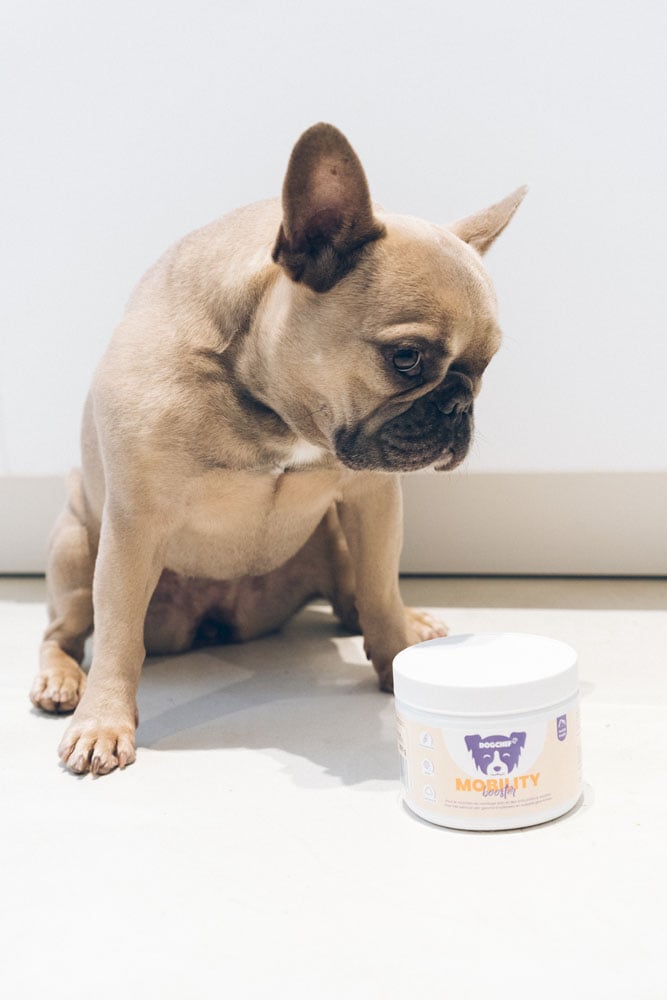
Digestive issues in dogs cover a wide range of signs affecting the stomach or intestines. Dog digestion is a complex process in which gut flora plays a protective “shield” role.
When this balance is disrupted, it’s called dysbiosis, which can lead to uncomfortable stomach gurgling or loss of appetite. These gastric problems can be acute – suddenly appearing after a slip-up – or chronic, settling in over time.
It’s essential to see these issues not as a fatality, but as a signal sent by the body. When a dog’s digestive problem is clearly identified, it becomes possible to choose an appropriate response – medical or nutritional – in order to restore the integrity of the intestinal barrier and ensure optimal absorption of essential nutrients for vitality.

While most digestive issues in dogs are benign, some scenarios require extra vigilance. You should consult promptly if symptoms last more than 24 to 48 hours or if they are accompanied by a deterioration in general condition. A total loss of appetite, marked lethargy or pale gums are warning signs to take seriously.
The appearance of blood in stools or vomit is an emergency, as is a belly that swells quickly (risk of gastric torsion). Don’t let a digestive problem settle in: early intervention often helps avoid heavier complications. Your veterinarian is the only one able to rule out a serious condition and propose a safe care protocol for your loyal companion.
Triggers vary. A diet change that is too sudden is the most frequent cause of gastroenteritis or temporary issues. Kibble quality – often too high in cereals or additives – can also overload digestion.
Food intolerances or true food allergies cause chronic inflammation of the intestinal wall. In addition, ingesting foreign bodies, poisoning from plants or toxic household products are frequent causes of acute flare-ups. Let’s not forget internal parasites (worms) or bacterial infections that colonise the intestines.
Finally, stress or taking certain medications (antibiotics, anti-inflammatories) can durably weaken gut flora, making the dog more sensitive to external aggressions.
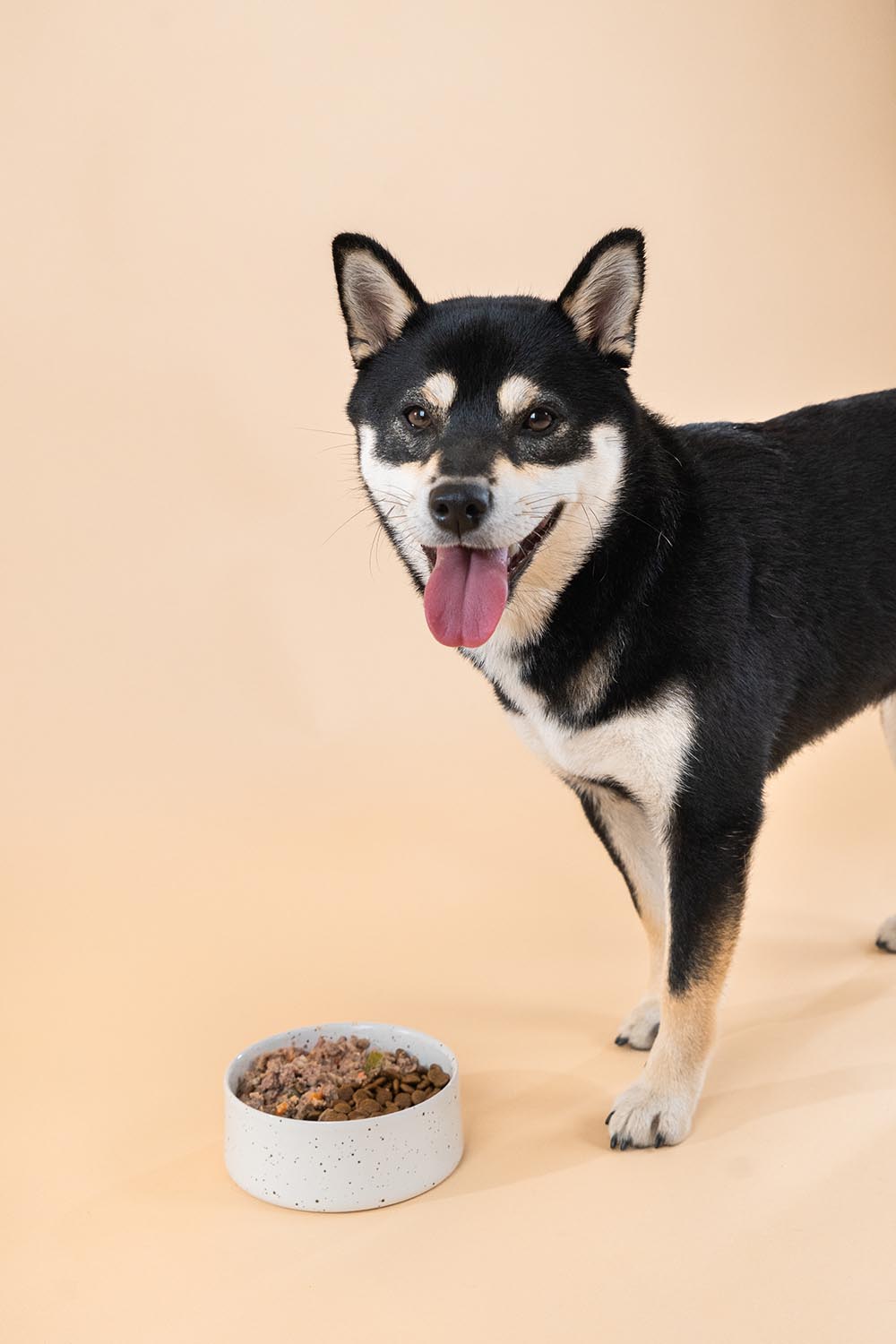
From the first signs, the priority is to rest the digestive system. A water-only fast of 12 to 24 hours is often recommended to calm inflammation. Make sure your dog drinks small amounts to compensate for losses. Avoid intense physical effort after meals to limit torsion risks.
If symptoms are mild, you can introduce natural food supplements to support the microbiome.
Watch your dog’s behaviour closely: if they stay bright and the issues reduce, a very gradual reintroduction of light, highly digestible food can be considered. On the other hand, if the state stagnates or worsens, do not self-medicate – turn to a professional for an appropriate medical solution.
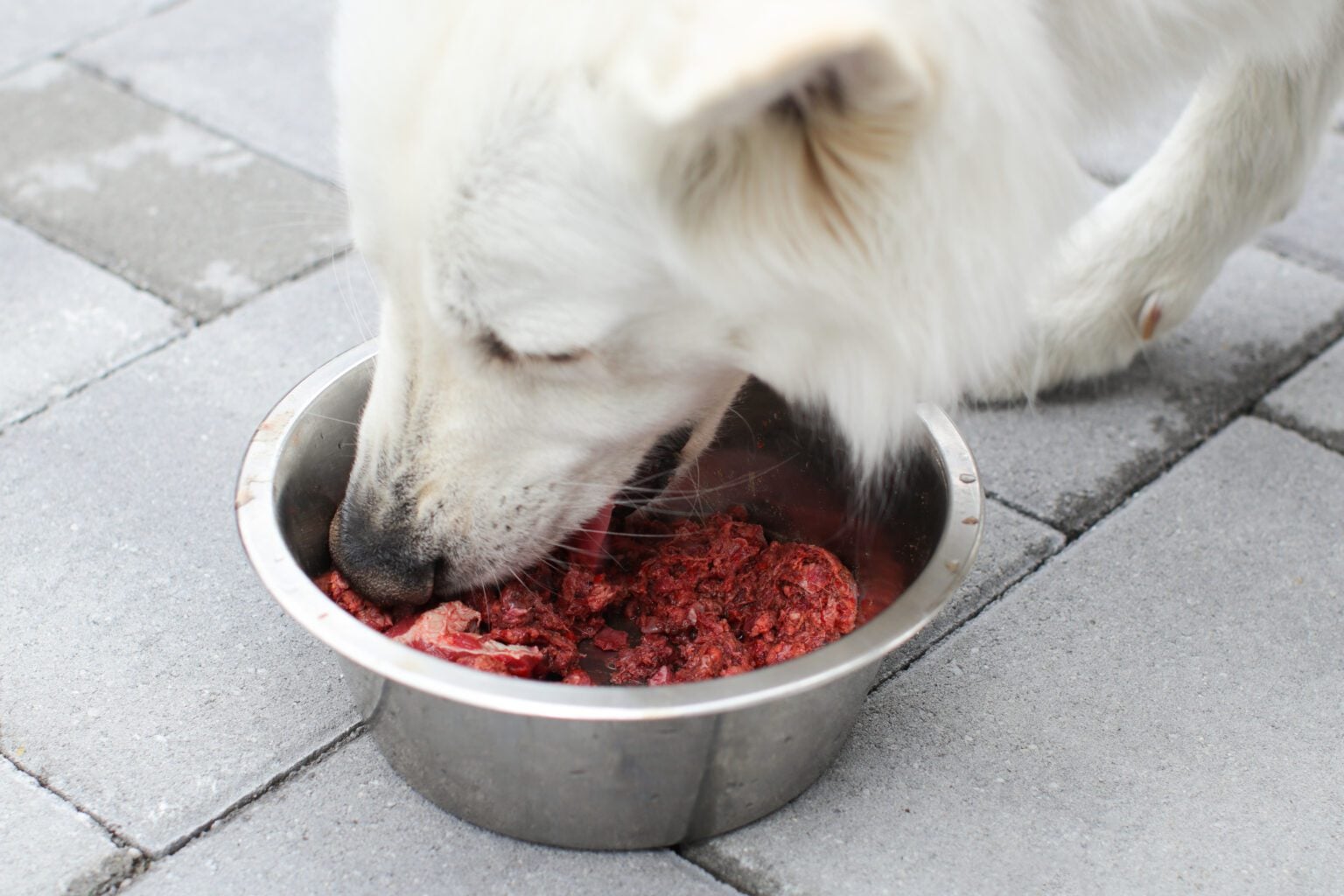
Diagnosis starts with a precise history: when did the issues begin? How frequent is vomiting? The professional will perform abdominal palpation to detect possible pain or a mass. Additional tests such as stool analysis (parasites), bloodwork or ultrasound may be necessary to identify the exact source of the gastric problem.
This diagnosis is essential to distinguish a simple dietary indiscretion from a more serious condition such as pancreatic insufficiency or chronic inflammatory disease.
Once the cause is identified, a targeted care protocol can be put in place, sometimes including specific medications or a radical diet change to support digestive function long term.
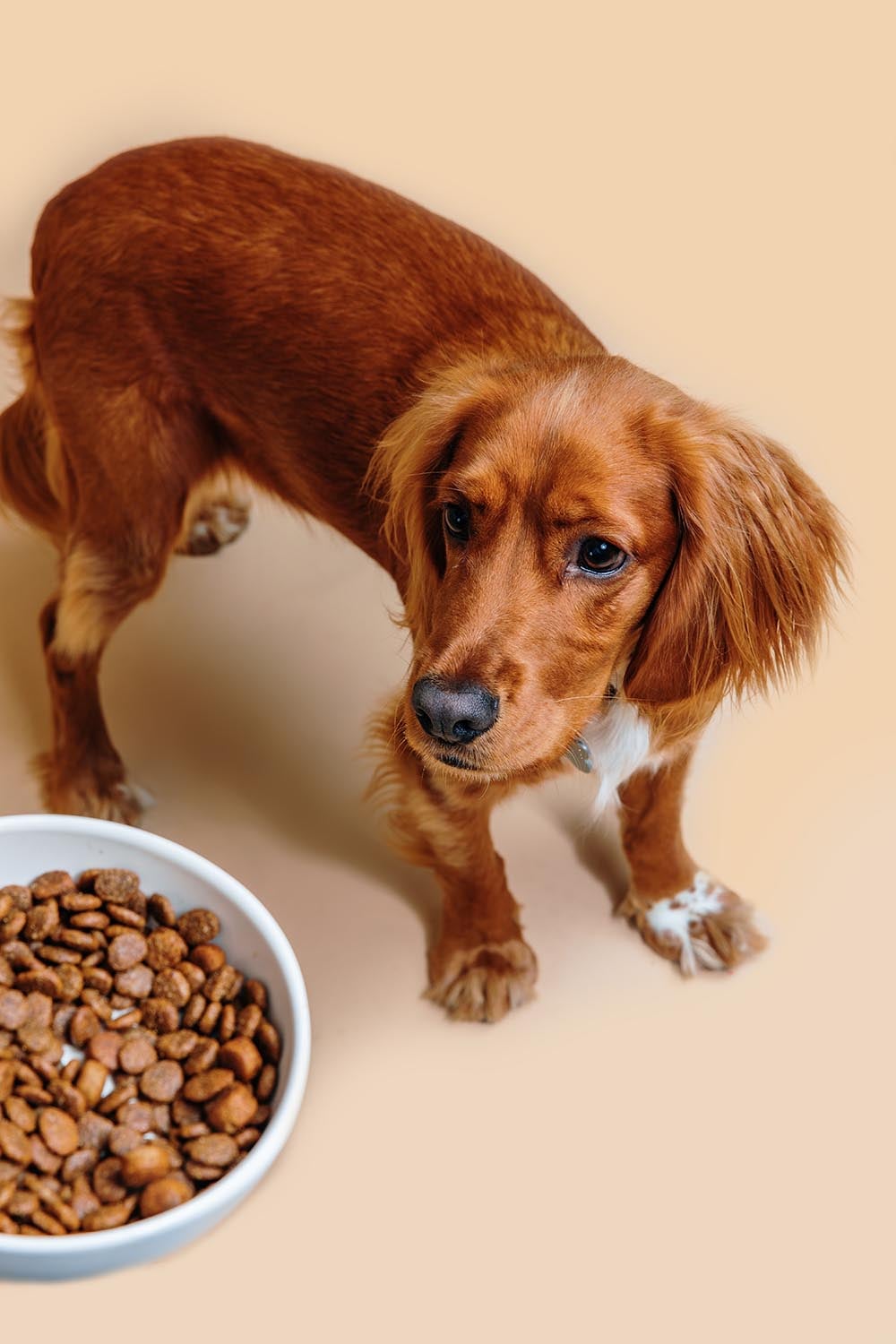
Treatment choice depends directly on symptom intensity. For mild cases, antacids or transit regulators combined with probiotics are usually enough. In case of dehydration, fluid therapy (IV) may be required in clinic.
If a bacterial infection is proven, a course of antibiotics will be prescribed. For dogs with chronic issues linked to food allergy, total elimination of allergens is the only long-term solution.
In all cases, nutritional support is the cornerstone of recovery: switching to highly absorbable food reduces pressure on digestive organs and promotes fast healing of intestinal tissues, ensuring a safe return to normal.
Since 2017, Dog Chef has offered a concrete alternative for owners whose companion has a fussy digestion. Our home-style rations are formulated with nutrition experts to maximise nutrient bioavailability.
Unlike ultra-processed kibble, we use fresh ingredients (meat, vegetables, starches) gently cooked so proteins are not denatured. This approach enables digestibility above 90%, limiting undigested residues that cause gas and flatulence.
By removing artificial preservatives and irritating texture agents, Dog Chef gives the digestive system a well-deserved rest. Each plan is personalised to your dog’s profile, guaranteeing an adapted portion that avoids stomach overload and actively supports gut flora health day to day.
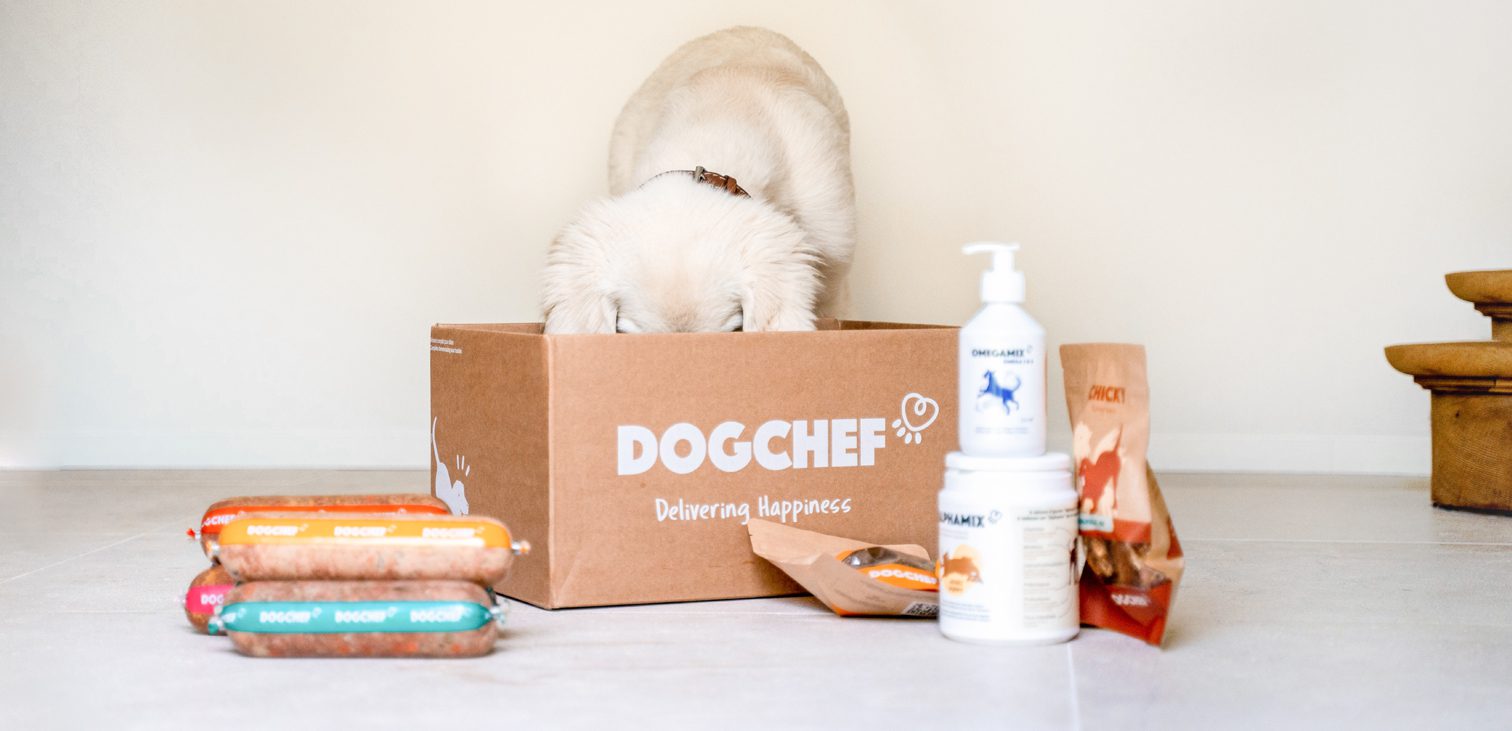
Successfully switching to a new diet requires vigilance to avoid further weakening the intestines. The most common – and most damaging -mistake is introducing new meals abruptly. A sudden change can cause reactive gastroenteritis or liquid stools because gut flora doesn’t have time to adapt.
Another mistake is giving portions that are too large from the start. Even with healthy ingredients, a sudden excess can overwhelm the stomach. Also avoid mixing too many different protein sources during this critical phase, which would complicate diagnosis if a food intolerance occurs. Finally, don’t neglect hydration: switching from dry kibble to a home-style ration changes fluid balance.
By following a gradual 10-day transition and staying attentive to your companion’s signals, you give their digestive system every chance to succeed with this change.
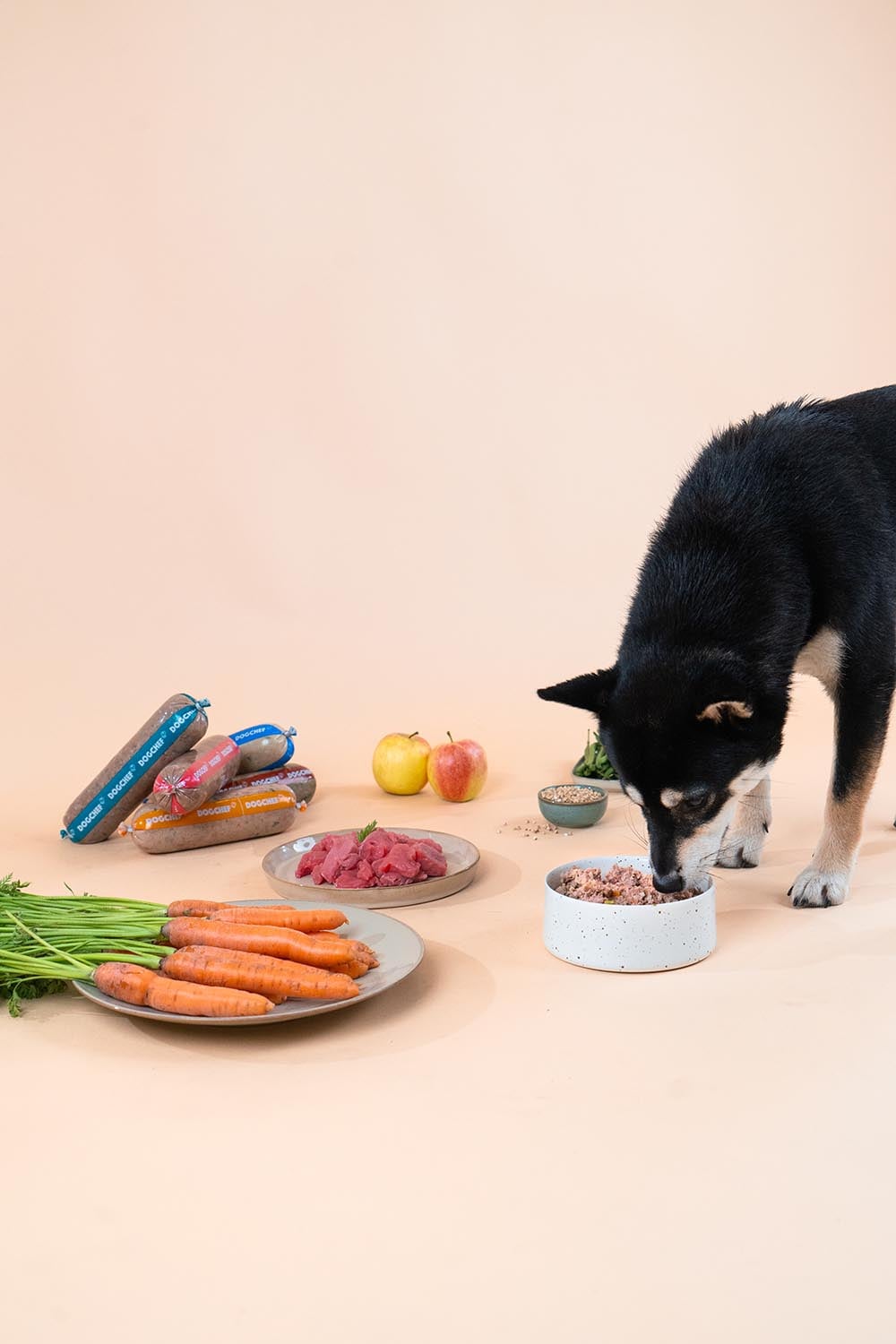
Prevention relies on a stable, long-term routine. Avoid table scraps, often too fatty or salty for a dog’s stomach. Maintain a regular deworming protocol to keep parasites away. Prioritise calm moments before and after meals to support good digestion. Regularly adding natural food supplements can also help maintain a robust microbiome.
Finally, stay consistent with a quality protein source: nutritional stability is the best friend of intestinal transit. A dog fed fresh, adapted ingredients is far less likely to develop sensitivities long term—offering them a longer, more comfortable life by your side.
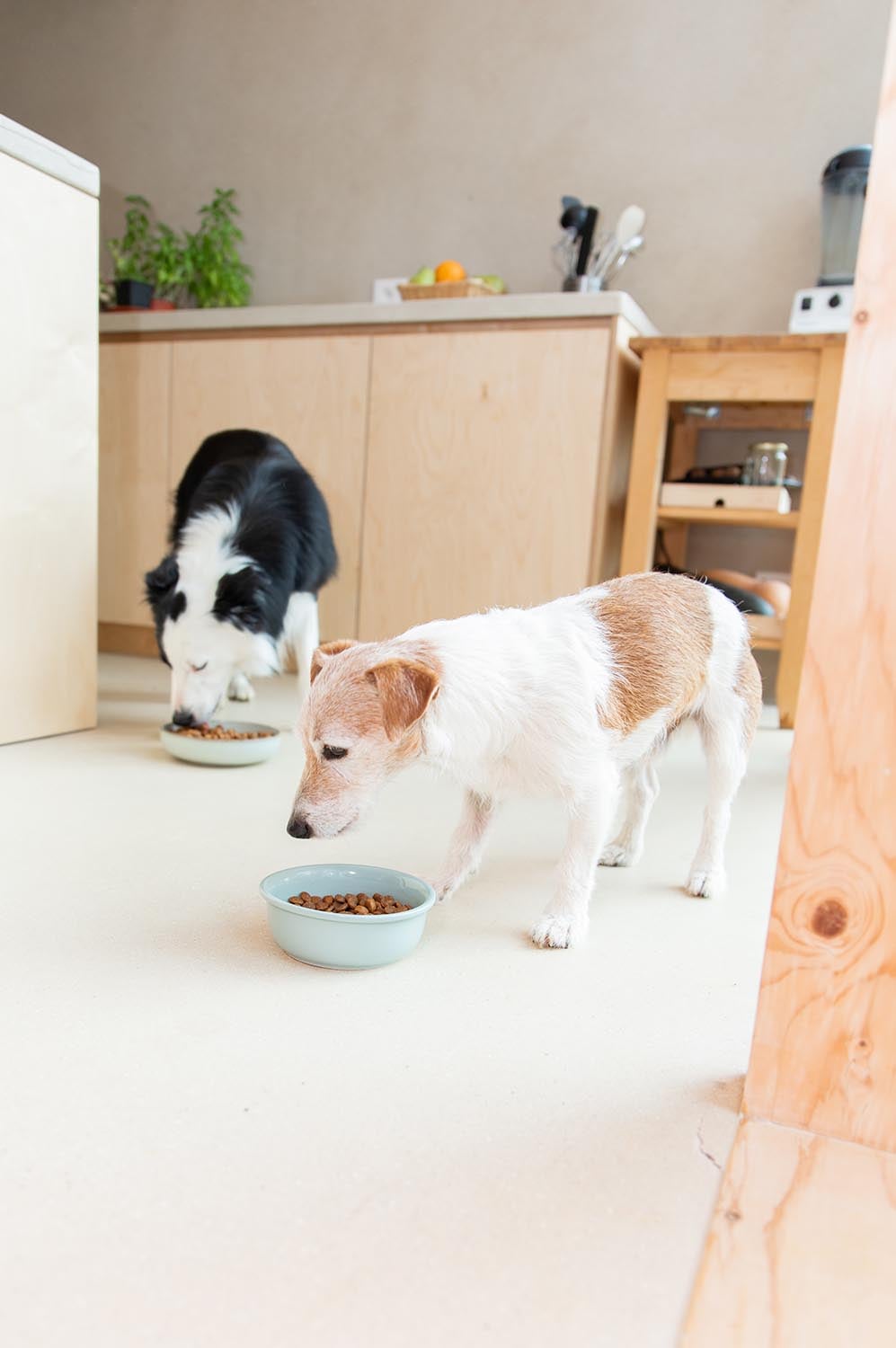
Moving from industrial kibble – often dry and ultra-processed – to Dog Chef fresh food is a positive step for your dog’s health. To succeed, serve meals at room temperature so as not to irritate the stomach. Split the ration into two or three meals per day. Follow the provided transition schedule carefully: 25% fresh for the first days, then 50%, then 75%.
This method helps avoid issues such as liquid stools or gas. Our experts remain available to adjust recipes if your dog has specific needs. With this methodical, approved approach, your companion will enjoy all the benefits of “clean” food without disturbing their current digestive balance.
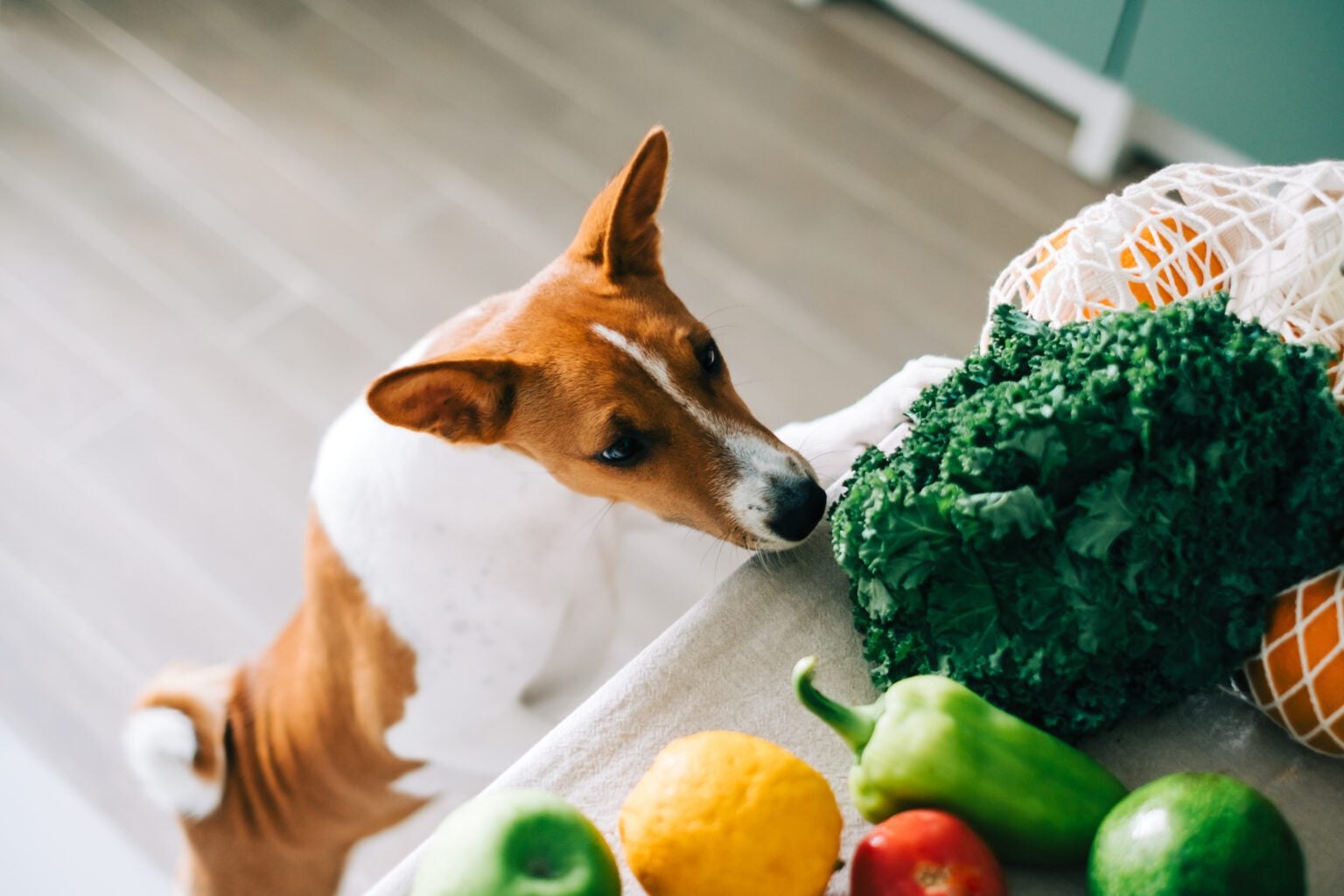
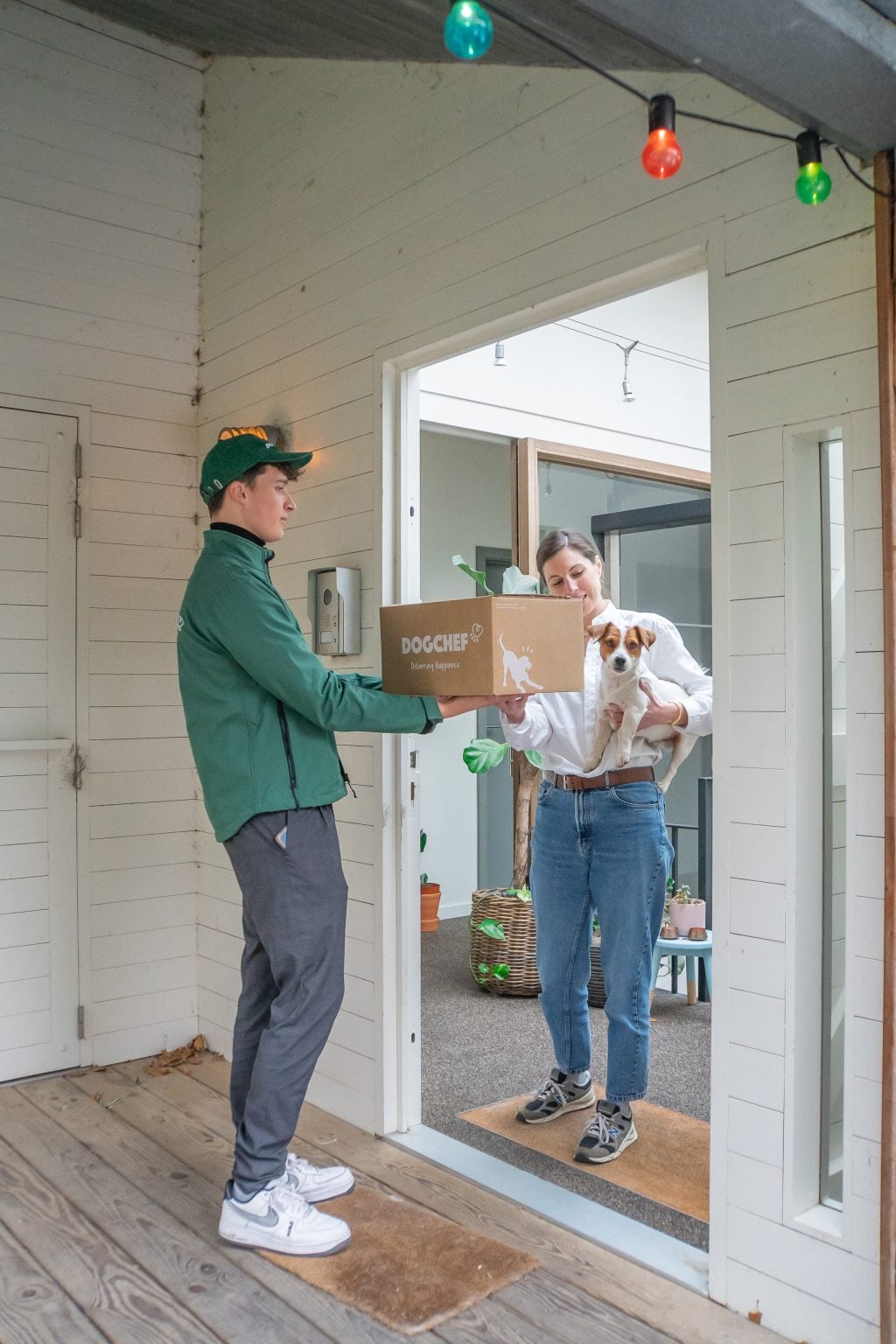
Each dog expresses sensitivities differently. Between a simple food intolerance and a higher fibre need, it can be hard to find your way. Don’t stay alone with your companion’s health problems. By taking our online test, you’ll receive a complete analysis and a tailored nutritional recommendation. It’s the ideal solution to offer your dog a diet that respects their microbiome and puts a lasting end to digestive issues.
Trouvez la solution idéaleVotre navigateur est obsolète!
Mettez à jour votre navigateur pour afficher correctement ce site Web. Download Google Chrome