Gastritis – an inflammation of the stomach lining – is a major source of discomfort for dogs. Whether acute or chronic, it often causes vomiting, loss of appetite or lethargy.
When the stomach is irritated, choosing the right dog food becomes the central pillar of recovery. An unsuitable diet can worsen lesions, while a targeted approach helps restore the stomach’s protective barrier.
Gastritis is defined as inflammation of the stomach wall. A dog’s stomach is protected by a complex mucous barrier that shields it from gastric acids needed for digestion.
When this protection is damaged – or acid production becomes excessive – the lining becomes irritated and inflamed, and may even develop erosions or ulcers.
This digestive issue is not a single disease, but rather a symptom resulting from different aggressions: ingestion of unsuitable substances, infections, stress or underlying conditions.
Because a dog’s stomach is particularly sensitive to sudden changes, untreated gastritis can progress to gastric ulcers or nutritional deficiencies due to poor absorption. Early identification is key so that a care protocol – and above all a strict dietary adjustment – can be implemented to soothe the digestive system.
Duration mainly depends on the cause and how quickly care is provided. In simple acute gastritis, symptoms typically improve within 24-48 hours with fasting and treatment; full recovery of the lining then takes a few additional days.
Chronic gastritis can last for months – or even a lifetime – if the underlying cause isn’t identified. In that case, “recovery” means stabilising symptoms and maintaining remission through strict nutritional management.
Causes are numerous. The most common is dietary indiscretion: eating rubbish, fatty table scraps, toxic foods (chocolate, onion) or non-food objects. Irritating plants or household chemicals can also burn the stomach lining.
Bacterial, viral or parasitic infections can also trigger episodes. Long-term use of certain medications (such as NSAIDs) is a known cause of gastric erosion.
Finally, severe stress or diseases affecting other organs (kidney or liver failure) can lead to secondary gastritis. Understanding the origin is crucial to prevent recurrence and choose ingredients that help the stomach regenerate without unnecessary strain.
Diagnosis relies on a methodical approach starting with a full clinical examination and a detailed history (diet, symptom progression, possible toxin ingestion). Imaging (X-ray or abdominal ultrasound) can detect foreign bodies or obstruction.
In chronic cases that don’t respond to standard care, endoscopy with biopsy remains the reference test to visualise the stomach wall and identify lesion type.
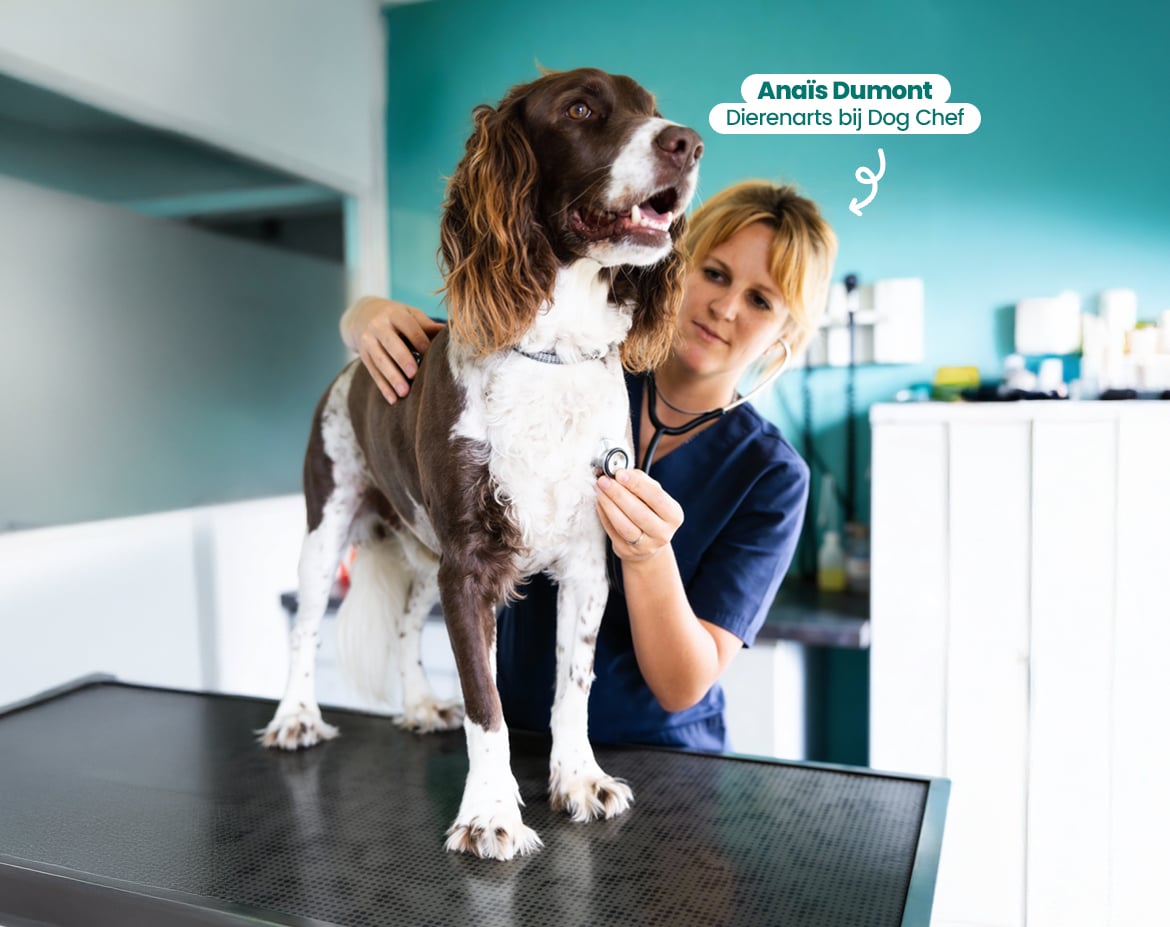
Medical treatment aims to calm inflammation and control symptoms. A common protocol combines an antiemetic and a gastric protectant to reduce vomiting and protect the digestive lining. Depending on the situation, deworming, antibiotics or antacids may be added to address the underlying cause and support recovery.
Long-term, the most effective management is dietary: a strict transition to an ultra-digestible, low-fat diet is essential to stabilise the dog and prevent chronic recurrence.
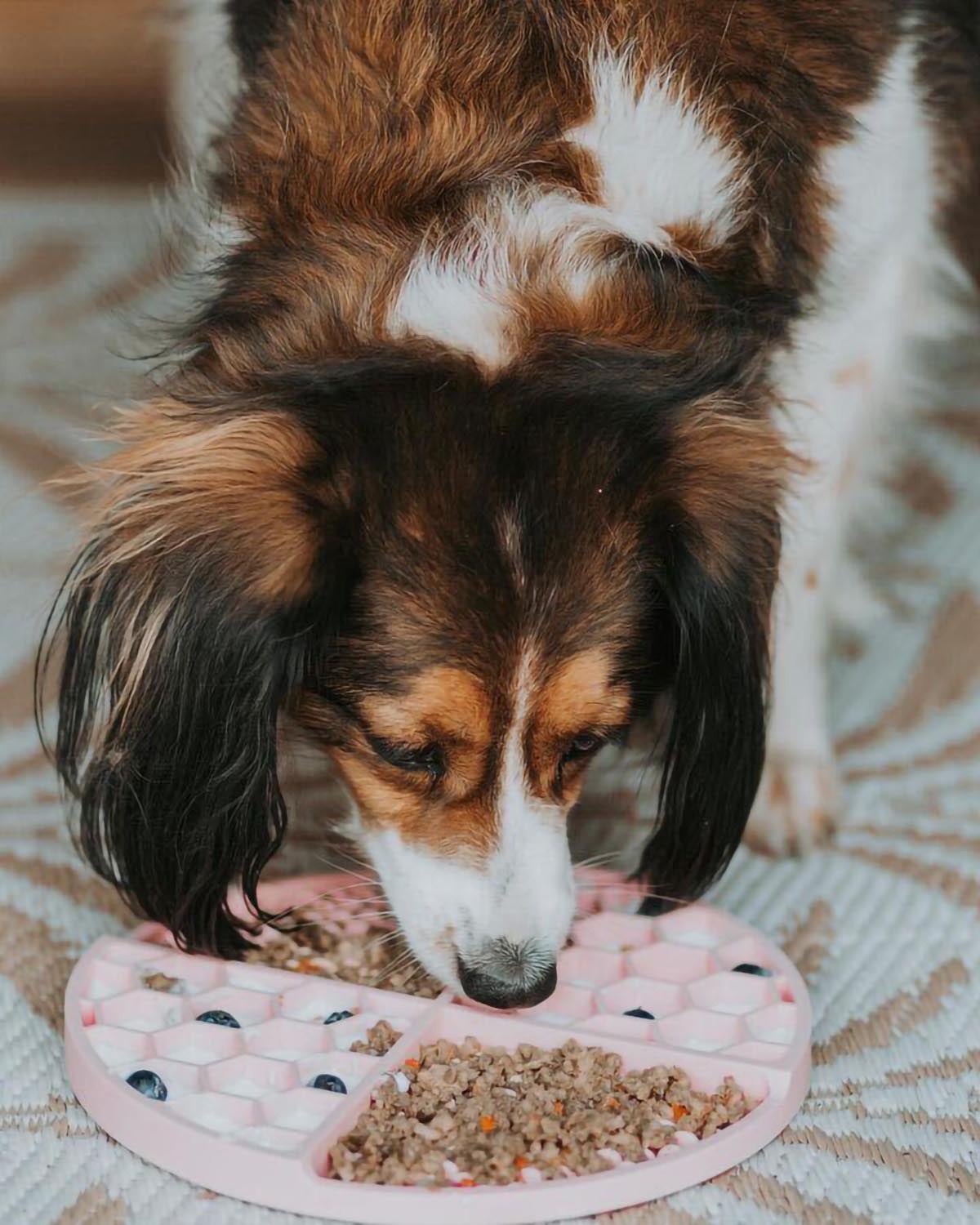
Food is the main “medicine” for a dog with gastritis: the goal is to reduce the stomach’s workload. The ideal diet should be low in fat (fat slows gastric emptying and increases acid contact time with inflamed lining).
Proteins should be high biological value and easy to break down (e.g., chicken or white fish). Carbohydrates should be highly digestible (e.g., well-cooked rice or potato).
Wet food is preferred over dry kibble: it’s gentler on irritated walls and supports optimal hydration. Adjusting texture and composition helps the stomach heal while ensuring your dog gets enough energy to recover.
Dog Chef offers a practical response to the nutritional challenges of gastritis. Our fresh recipes, developed with veterinarians, use human-grade ingredients, with no preservatives or irritating fillers.
Gentle cooking preserves nutrient structure for maximum digestibility in a fragile stomach.
Our meal plans help precisely control fat intake while maintaining high palatability—important for dogs who have lost appetite.
Since 2017, our recipes (voted Product of the Year 2026) combine the comfort of home-style feeding with the safety of perfect nutritional balance.
Giving Dog Chef to a dog with gastritis means offering a soothing diet that respects their sensitive stomach – while still delighting their taste buds.
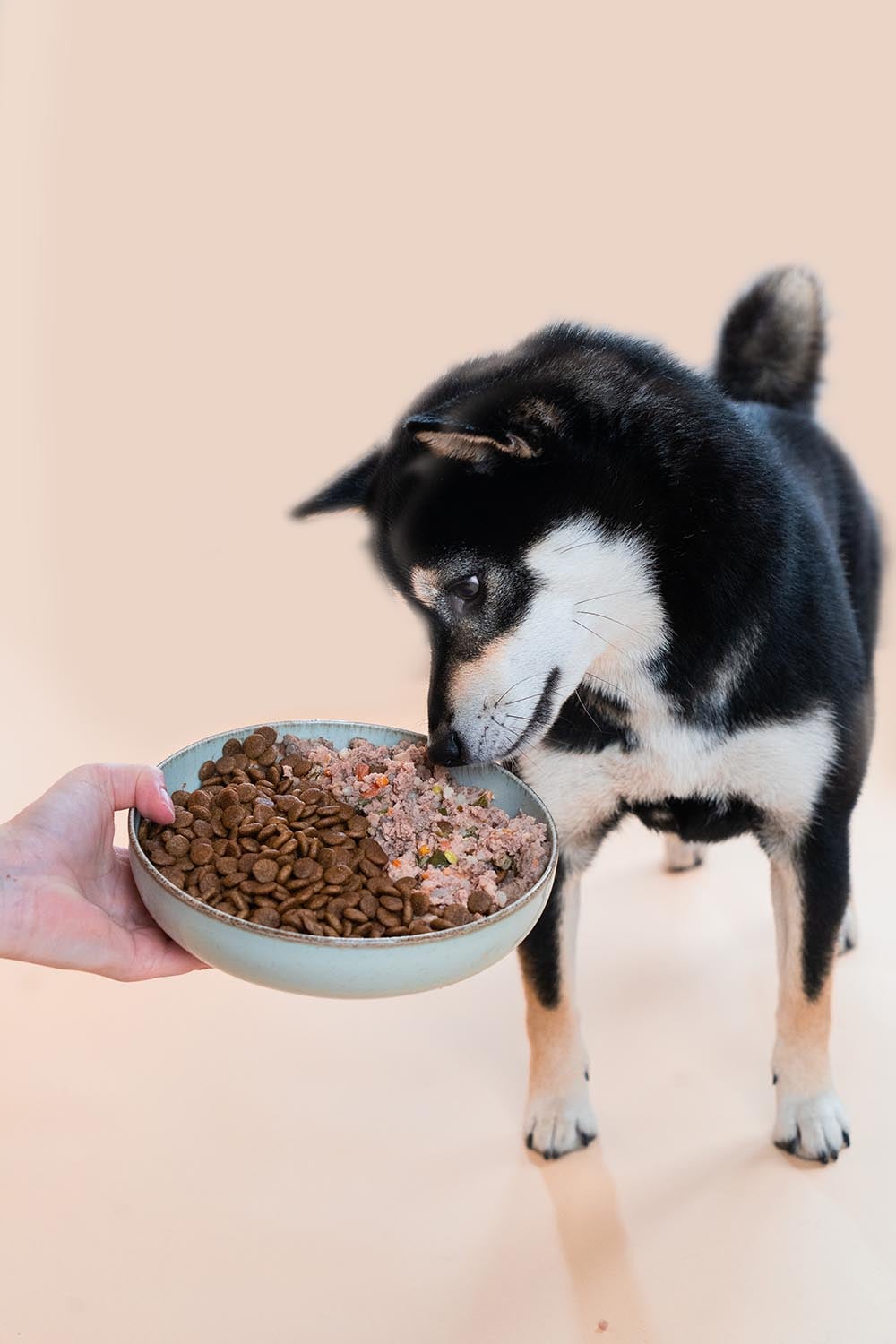
Transitioning to Dog Chef should be done very gently. For an inflamed stomach, any sudden change is an aggression. We recommend a 10-day transition: start with 25% fresh food mixed with the previous diet for the first 3 days, then 50% for the next 3 days, then 75%.
Observe your dog daily; if vomiting returns, keep the current step for 2 extra days. Serving meals at room temperature – or slightly warm – helps release aromas and makes stomach work easier.
This gradual method allows gut flora and the stomach lining to adapt without stress to this healthier, protective diet.
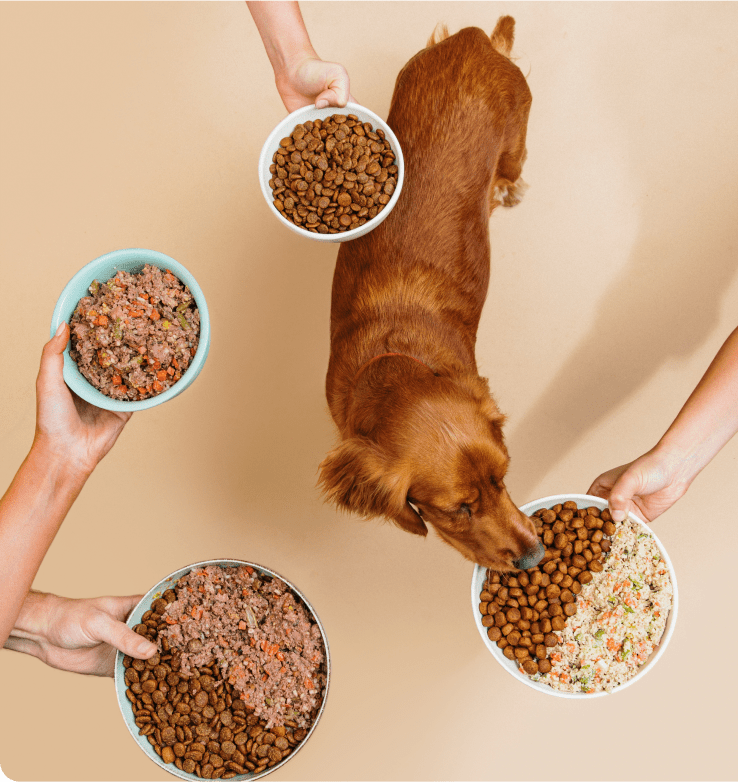
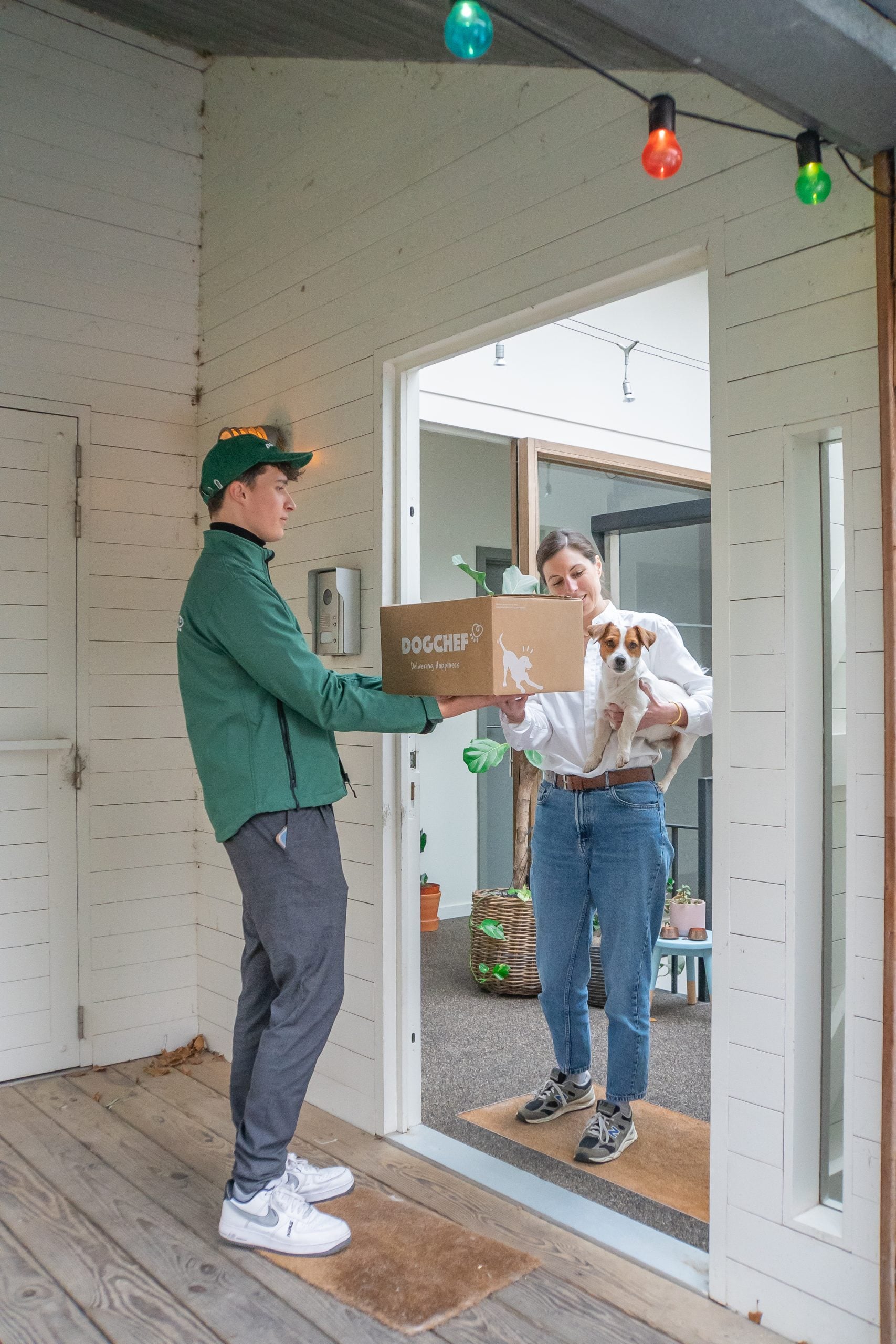
Every dog is different, and gastritis requires a specific nutritional response. Our online tool – designed by veterinary experts—analyses your dog’s needs (weight, age, gastric sensitivity). Get a personalised recommendation in just a few clicks for a tailored menu that will soothe their stomach long term.
Find the ideal solutionVotre navigateur est obsolète!
Mettez à jour votre navigateur pour afficher correctement ce site Web. Download Google Chrome