Finding out that your companion has diabetes is a delicate situation for any owner. This chronic condition, although serious, is not a death sentence. As dog parents, your priority is to stabilise their blood sugar while giving them the best possible quality of life. At Dog Chef, we believe that rigorous management – combining veterinary follow-up and high-quality nutrition – is key.
A diet rich in selected proteins and low in fast sugars helps limit blood sugar spikes and support your dog’s energy day to day. Together, let’s build a healthy routine so they can stay by your side, in great shape, for as long as possible.

Diabetes mellitus is a complex metabolic disorder defined by the body’s inability to regulate the level of glucose (sugar) circulating in the blood.
In most clinical cases in dogs, it is type 1 diabetes: the pancreas no longer secretes enough insulin, the hormone essential for transporting sugar into cells.
Sometimes, the cells themselves become resistant to insulin – this is type 2 diabetes. Glucose can no longer enter the cells, so the cells are no longer properly “fed”.
Deprived of their main energy source, cells weaken while glucose builds up dangerously in the bloodstream. This chronic hyperglycaemia, if not stabilised, can seriously damage vital organs such as the kidneys, the heart or the eyes.
Understanding the mechanisms behind this disease is the first essential step to provide your companion with effective management, based on rigorous veterinary follow-up, precise insulin injections and strict dietary discipline.

Although diabetes can affect any dog, some breeds show a stronger genetic predisposition. Unspayed females (hormonal fluctuations) and senior dogs (slower metabolism) are also at higher risk.
Breeds often mentioned by veterinarians include the Poodle, Schnauzer, Beagle and Samoyed. Beyond genetics, excess weight remains a major aggravating factor and trigger across all breeds.
If your dog belongs to one of these lines or tends to gain weight, extra vigilance is recommended: lifestyle monitoring combined with regular blood tests helps detect even slight blood sugar imbalance early.
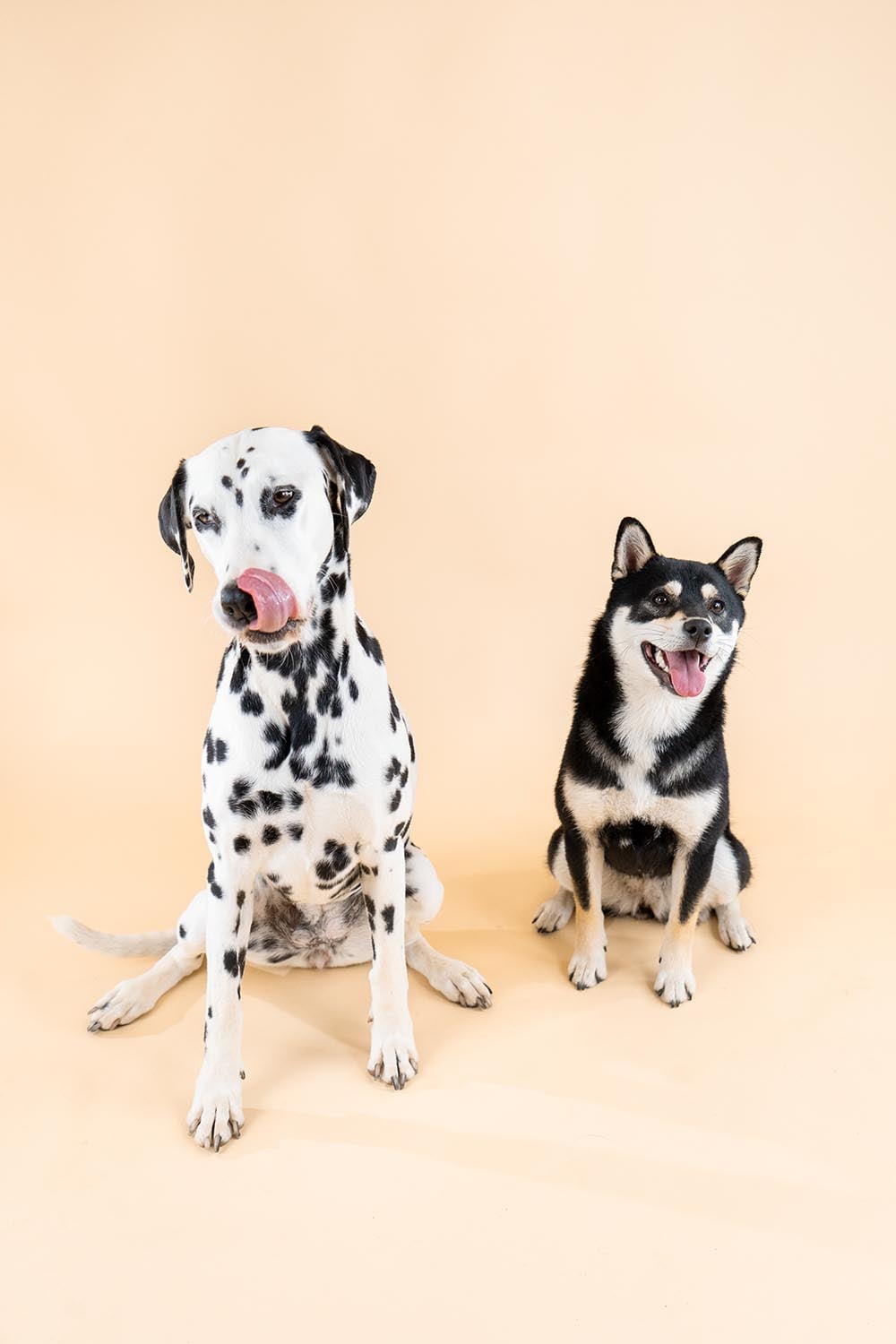
Type 1 diabetes in dogs results from a biological failure in which the pancreas can no longer produce enough insulin. Several factors may contribute: heredity (fragility of pancreatic cells), physical damage such as chronic pancreatitis, and hormonal influence – especially in unspayed females.
Finally, lifestyle influences metabolic health: although canine diabetes is mainly type 1, excess weight can increase the risk of developing type 2 diabetes.

Diabetes must be diagnosed by a veterinarian following clinical suspicion (such as excessive thirst). Diagnosis relies on lab tests: a blood test to measure fasting blood glucose, and a urine test to detect glucose or ketone bodies.
Your vet may also measure fructosamine to assess blood sugar levels over several weeks. Once confirmed, treatment aims to stabilise blood glucose and provide optimal quality of life. It involves daily insulin injections at set times, and it cannot be successful without strict nutritional discipline.
In early type 2 diabetes, it may sometimes be possible to avoid insulin injections through weight loss and an adapted diet. Careful weight management and regular physical activity complete this approach.
Close collaboration between the owner and health professionals is key to preventing complications and ensuring your dog’s long-term vitality.
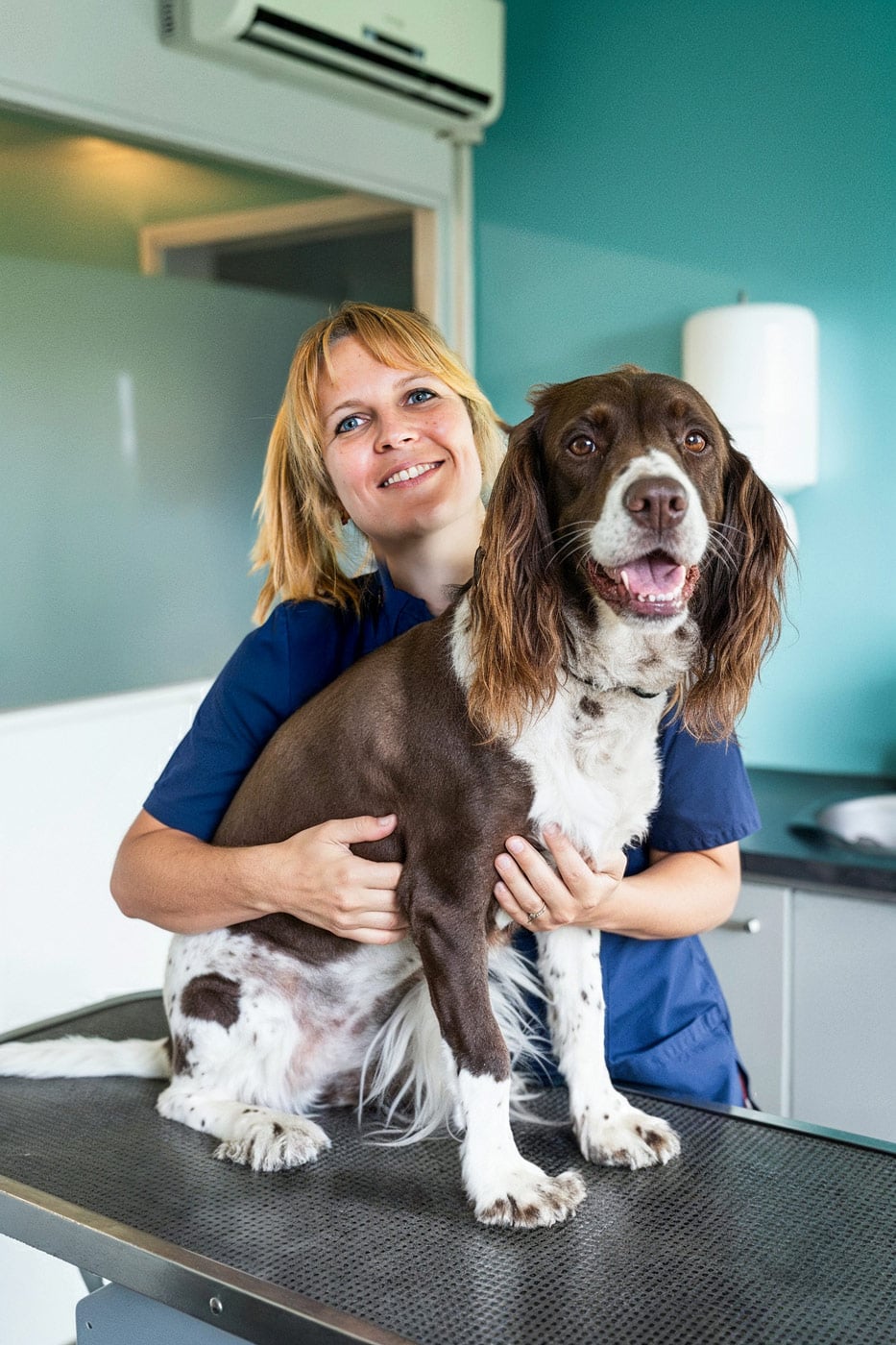
Diet plays a central role and often helps reduce the insulin dose when managing a diabetic dog. The main goal is to limit post-prandial blood sugar fluctuations (after meals). Food should be rich in complex fibres that slow carbohydrate absorption, low in starches, and high in protein as an energy source.
It is essential to avoid fast sugars and high-glycaemic-index ingredients. Consistency is key: meals should be identical in composition and served at fixed times, most often coordinated with insulin injections.
Switching to a home-cooked or fresh diet can lower carbohydrate content compared with traditional kibble, supporting metabolism long term while making medical stabilisation easier.

At Dog Chef, we create fresh recipes made from whole ingredients that can be included in the diet of diabetic dogs – generally with the addition of around 15% green vegetables.
Unlike traditional industrial kibble, often high in starch and carbohydrates for manufacturing reasons, our meals prioritise whole ingredients and high-quality fibre sources.
Since 2017, our veterinarians have been formulating tailor-made rations designed to support slow digestion and a stable release of energy throughout the day. Voted “Product of the Year 2026”, our recipes enable precise nutritional management – essential for limiting blood sugar spikes.
By choosing this controlled diet, you regain control over what goes into your companion’s bowl. You’re offering healthy, natural nutrition with no preservatives or artificial flavours – ensuring full transparency and optimal daily support for their health.

Dietary transition in a diabetic dog is a crucial step and must be done with extreme caution. A sudden change can quickly alter insulin needs and expose your dog to a serious risk of hypoglycaemia or unstable blood sugar.
To ensure safety, we recommend a very gradual transition over at least 7 to 10 days, progressively mixing Dog Chef meals with the previous food. This change must be done in close coordination with your veterinarian, who can adjust insulin doses accordingly.
Close monitoring of behaviour, appetite and water intake during this transition phase is key to stabilising the condition long term.
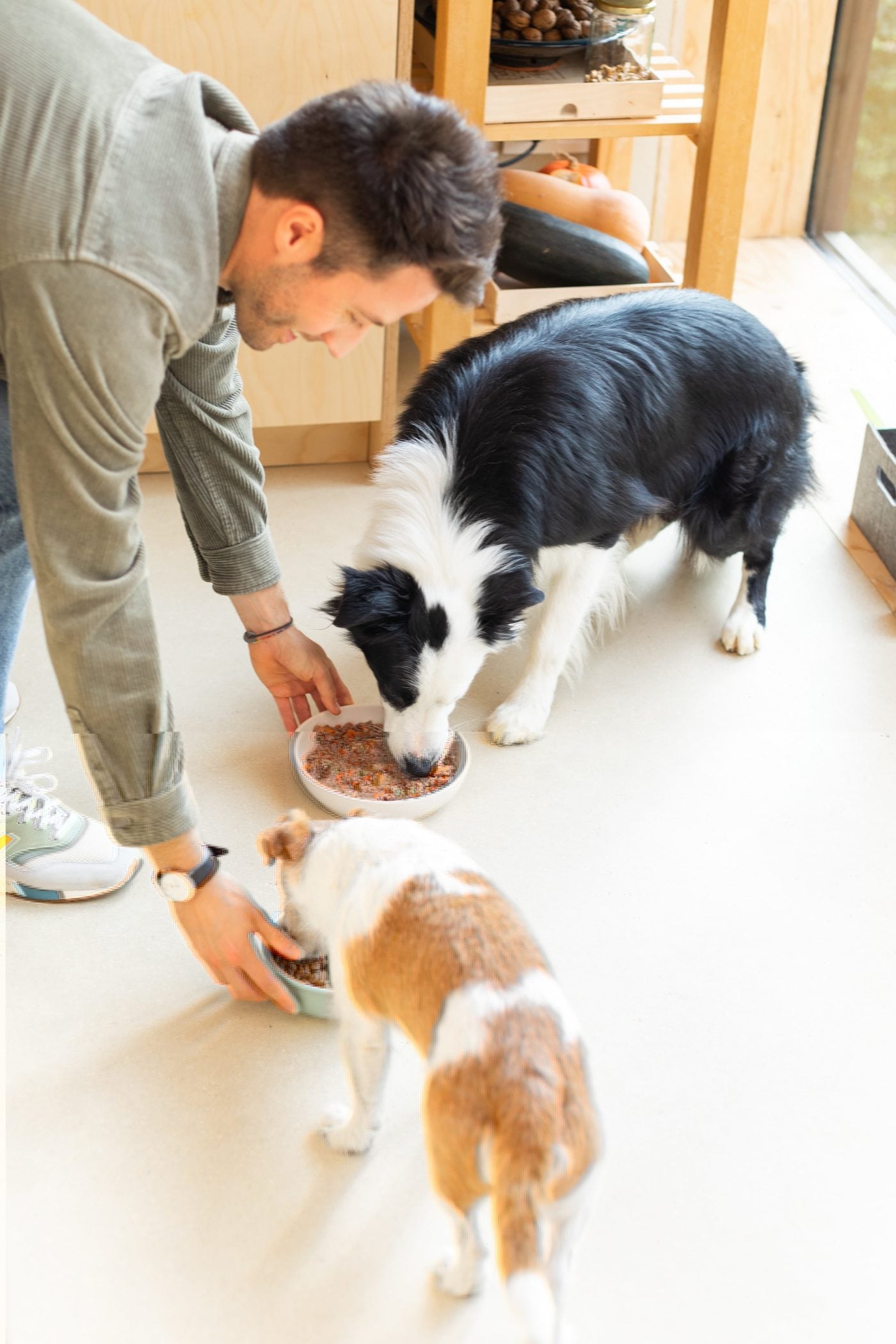

Every dog is unique – and so is their diabetes. In just a few clicks, enter your companion’s profile (weight, age, activity level, condition) and receive a precise nutritional recommendation tailored to their specific needs.
Join thousands of owners who have chosen transparency and freshness for their pet’s health.
Votre navigateur est obsolète!
Mettez à jour votre navigateur pour afficher correctement ce site Web. Download Google Chrome