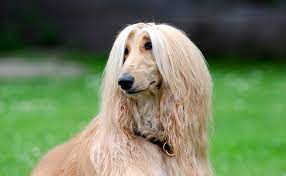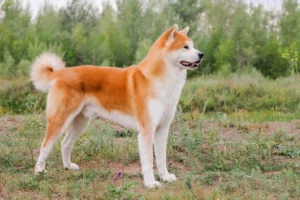

Did you know? There are more than 300 breeds of dogs in this world, each with its own characteristics, personalities, and behavioural traits. This means that every dog has some innate traits that they have naturally – be it wanting to have high levels of activity or wanting to chase smaller animals.
If you’re looking to bring a new furry friend home, it’s better to learn about these things in advance. Here’s everything you need to know about dog breeds, so you can decide which kind of faithful friend best suits you.
The beautiful friendship between canines and humans has existed for thousands of years. The beginning of this tale dates back to 15,000 years, when humans domesticated grey wolves for hunting. While some wolves stayed in the wild, others chose to form closer bonds with people.
As humans figured out how to domesticate and train them, these animals started performing important tasks in society and homes, including hunting, protection, and even companionship. They gradually evolved along with humans and became friendly, docile, and more dependent on humans, thus becoming an integral part of communities.
These beautiful creatures then increased in numbers, slowly diversifying into different breeds based on their geographical, physical, and behavioural needs. Their coats started to thicken in colder areas while their bodies developed to pull sleds through the gigantic icy expanses. They started to obey their owners and became the furry friends we’ve grown to love today.
Dog Chef lists down ten groups of dogs, as classified by Fédération Cynologique Internationale, based on their physical traits and characteristics.
Everything you need to know about the main dog breeds and their specificities.
The Fédération Cynologique Internationale has grouped the dog breeds into 10 groups:
Group 1: Sheepdogs and Cattle Dogs (except Swiss Cattle Dogs)
Group 2: Pinscher and Schnauzer, Molossian, Swiss Mountain, and Cattle Dogs
Group 3: Terriers
Group 4: Dachshunds
Group 5: Spitz and Primitive Type Dogs
Group 6: Scent Hounds, Search Dogs, and Related Breeds
Group 7: Pointing Dogs
Group 8: Flushing Dogs, Retrievers, Water Dogs
Group 9: Companion and Toy Breeds
Group 10: Sighthounds
These ten groups of dogs are recognized throughout the world, helping group dog breeds according to their common attributes.
Discover our 5 delicious recipes that your dog will love! They are developed by veterinarians to be perfectly complete and balanced for all dogs, even the most sensitive or difficult. Our recipes are all based on the criteria recommended by the worldwide veterinary standards FEDIAF and NRC.
It is important to pick a breed that works well for you. Let’s take a small example. Say you got a husky home. Its magnificent blue eyes and its tendency to ‘talk’ to humans is something you fall in love with. You welcomed him with brand-new food, water bowls, toys, and fluffy beds. He drowns you in his kisses and adorable actions. It’s amazing!
But, you leave him at home to work or run some errands. By the time you’re back, everything is a mess. Torn cushions, nibbled couches, and whatnot! It’s not their fault. They’re just balls of energy and need constant stimulation to maintain their energy levels. Their incredible energy pushes them to occupy themselves if they’re left alone. They can’t expand themselves, shredding everything in their reach.
The same goes for other breeds. You cannot expect their inner traits to not just be there. So it’s better to get a dog like a greyhound, which can be a couch potato when you’re not around. Similarly, you can go with low-shedding dogs like poodles if you are allergic to dog hair or Labradors if you have kids and just want a fur companion for the family.
Votre navigateur est obsolète!
Mettez à jour votre navigateur pour afficher correctement ce site Web. Download Google Chrome