Osteoarthritis is much more than simple age-related tiredness: it’s a chronic joint condition that can heavily impact your dog’s mobility. If your dog shows signs of stiffness or pain, improving their nutrition is one of the most powerful levers to help stabilise the condition.
By switching to a natural, fresh diet, you provide targeted nutrients that help reduce inflammation and protect cartilage. Help your dog rediscover the joy of moving and sharing active moments by your side, thanks to a tailored and preventive nutritional approach.
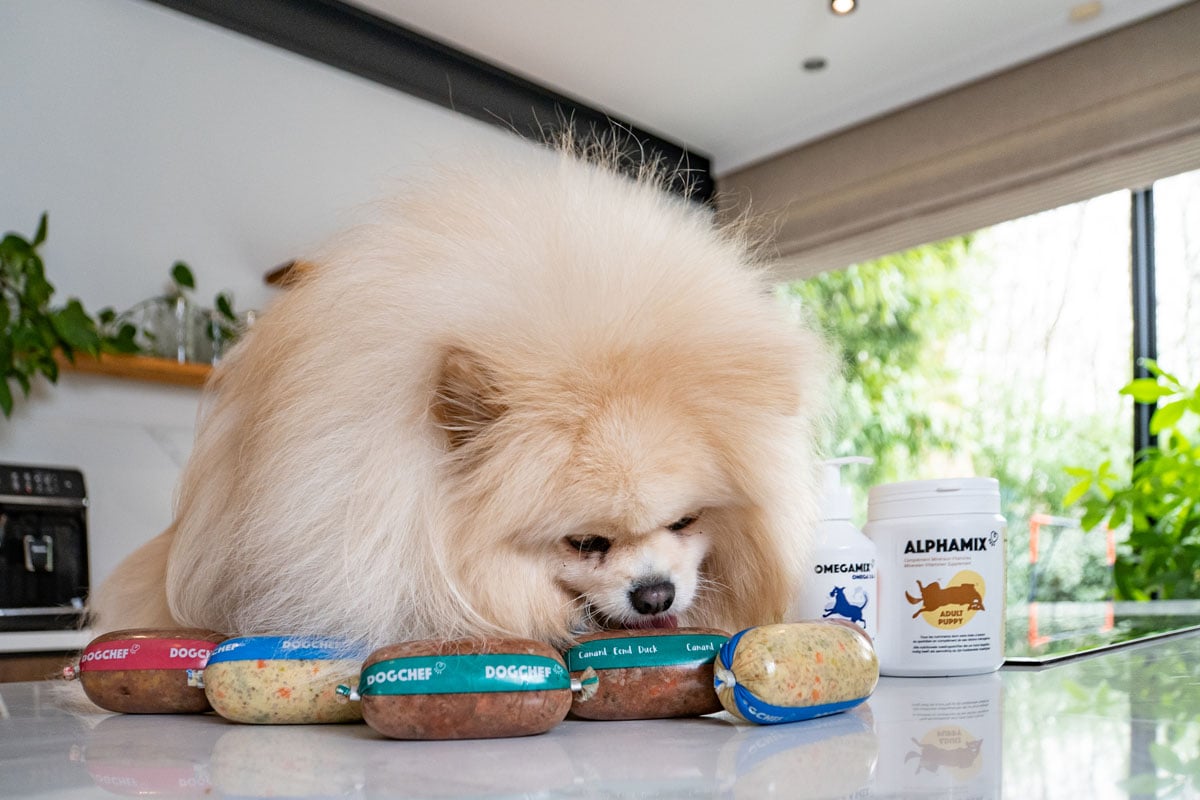
Osteoarthritis is a degenerative disease that affects joint cartilage – the protective tissue that allows bones to glide without friction. Over time, this cartilage becomes thinner and breaks down, causing inflammatory pain and a loss of flexibility. Unlike arthritis, which is an acute inflammation, osteoarthritis is progressive and irreversible wear and tear.
It can affect any joint, but it most commonly appears in the hips, elbows, knees and spine. Osteoarthritis is often classified as either primary (linked to natural ageing) or secondary (caused by trauma or a malformation).
In both cases, the process leads to reduced mobility and chronic discomfort. Although osteoarthritis cannot be “cured”, understanding how it works is the first step to putting an effective support strategy in place – aimed at slowing deterioration and preserving your dog’s quality of life for as long as possible.

Several factors can speed up the development of osteoarthritis in dogs:
Identifying these causes helps you adjust your dog’s environment and prioritise strict weight management – especially via healthy nutrition – to reduce stress on the skeleton.
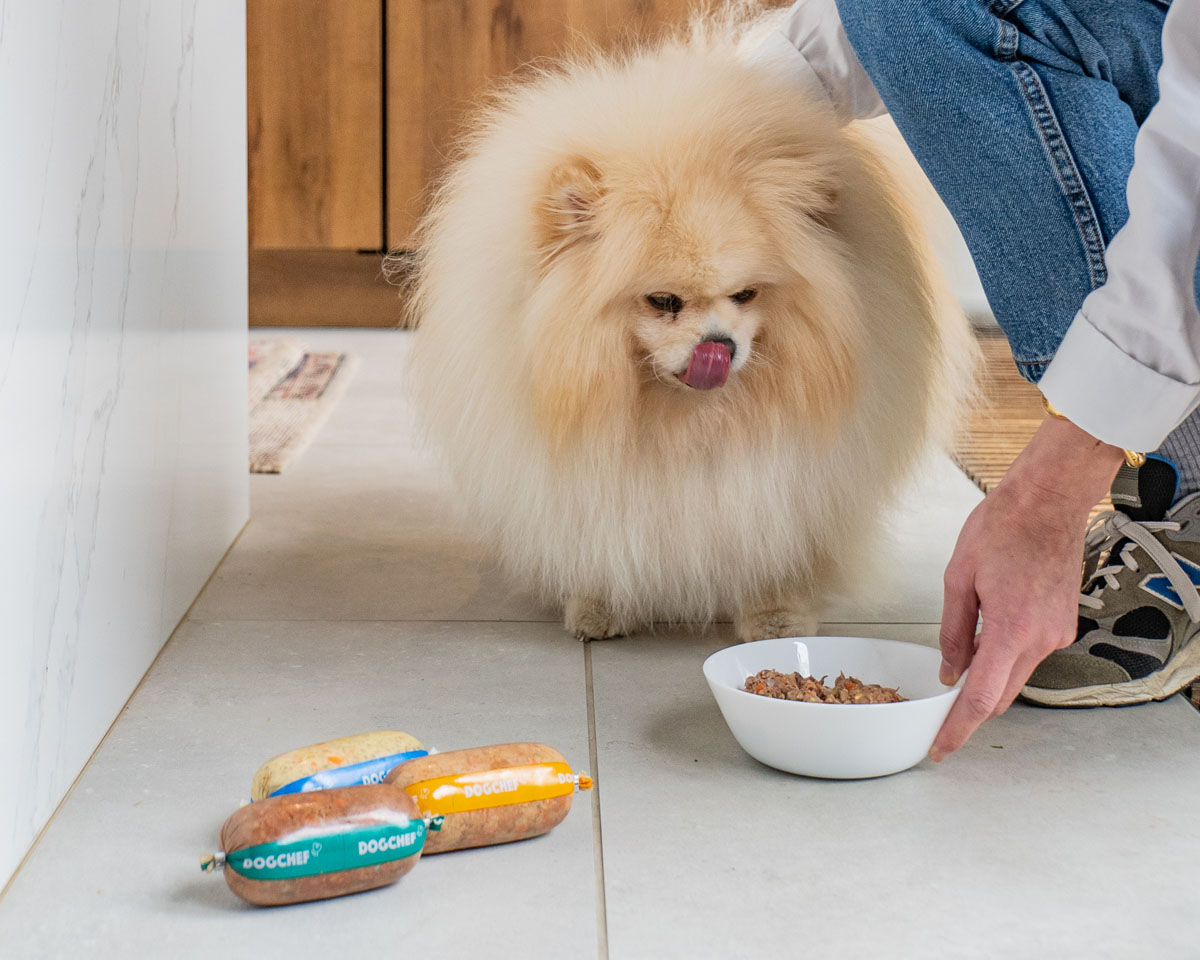
Your dog seems “rusty” after resting.
They struggle to get up in the morning or after a nap, and their first steps are hesitant until the joint warms up.
They lag behind on walks, hesitate to get into the car, or stop jumping onto the sofa.
This often reflects anticipation of mechanical pain.
Limping may appear – often worse when cold or after intense effort.
It can be subtle at first or only show on certain surfaces, indicating active joint inflammation.
A dog in pain may become irritable, withdraw, or show nervousness when you approach painful areas.
They may also lick one specific joint excessively.
Because of pain, the dog “spares” a limb.
This underuse can cause visible muscle wasting (often in the hindquarters), which further reduces joint stability.
Diagnosis starts with careful observation at home, but must be confirmed by a professional. Your vet will first perform a full clinical exam, including palpation to check for pain, reduced range of motion, or characteristic joint crackling.
Imaging is essential to confirm diagnosis and assess lesion severity. X-rays can show narrowed joint space and possible osteophytes (small bony growths). In more complex cases, a CT scan or synovial fluid analysis may be recommended to rule out other inflammatory conditions. Early diagnosis matters: the sooner osteoarthritis is identified, the more effective hygiene and dietary measures – such as switching to targeted fresh food – can be in slowing progression and maintaining comfort.
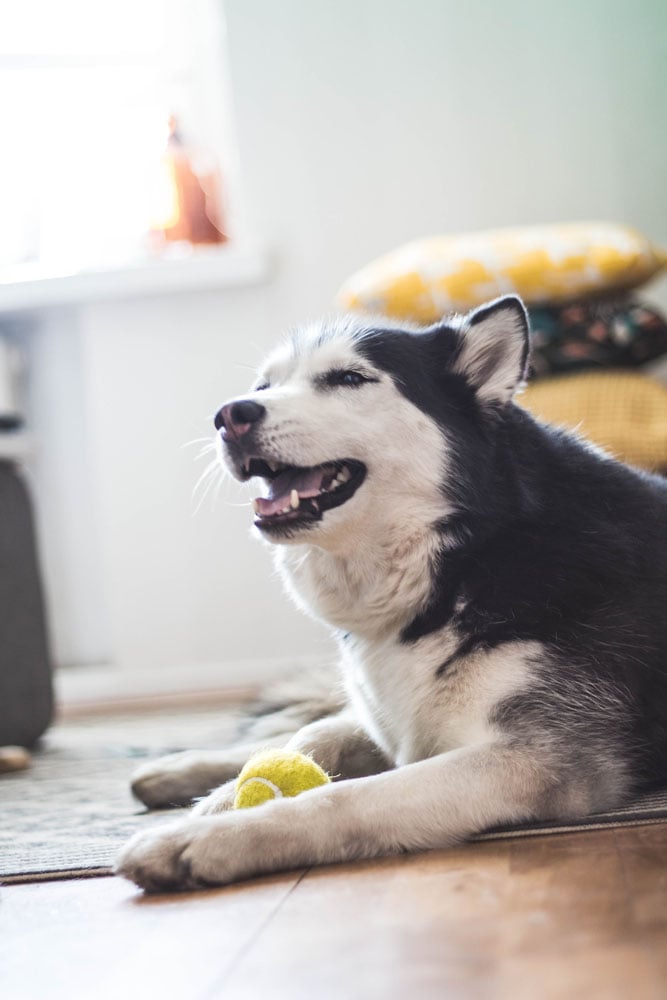
Osteoarthritis management is multimodal: it often combines medical solutions for pain flare-ups with long-term supportive therapies.
Anti-inflammatory medication prescribed by your vet can help during crises, but it does not replace an overall plan. Complementary therapies such as physiotherapy, hydrotherapy or osteopathy are excellent ways to strengthen muscles without heavily stressing the joints.
Home adaptations (ramps, non-slip rugs) and high-quality nutrition form the daily foundation to stabilise the condition and reduce reliance on medication.
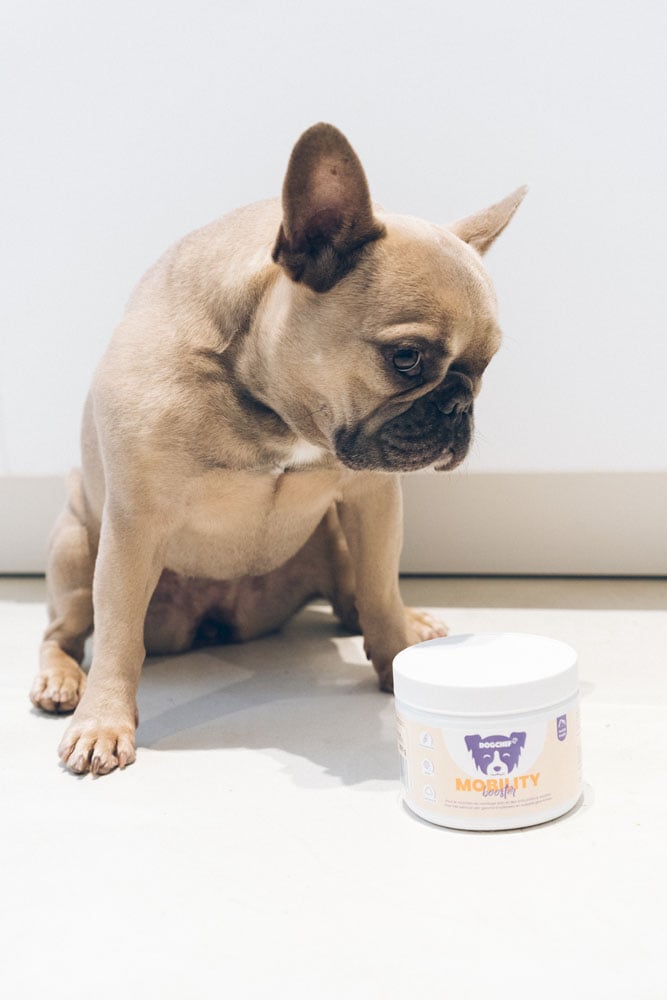
Highly processed industrial food can promote factors associated with osteoarthritis. Often high in carbohydrates and variable-quality fats, it may contribute to weight gain – which increases pressure on joints.
Excess body fat can also produce pro-inflammatory molecules that sustain inflammation. Without appropriate nutrient intake, these imbalances may contribute to oxidative stress and ageing of joint tissues.
A fresh, nutritionally balanced diet can support joint health through key nutrients.
Omega-3 fatty acids such as EPA and DHA (notably found in fish oil) help protect cartilage, reduce inflammation, and may modulate the expression of certain genes involved in osteoarthritis processes. Combined with other nutrients and antioxidants, they help maintain mobility and joint comfort.
The high omega-3 content in our fresh recipes helps calm chronic inflammatory reactions.
Owners often report less stiffness and easier daily movement – your dog regains comfort and a renewed desire to play and go on walks
With high-biological-value animal proteins, Dog Chef nourishes muscles without overloading the body with unnecessary fats.
Strong muscles are the best support for arthritic joints: they stabilise limbs and compensate for cartilage loss.
Our portions are tailored to your dog’s specific profile. This precision helps avoid calorie drift and makes it easier to lose weight or maintain ideal body weight.
A lighter dog is a dog in less pain – making every step easier and less energy-consuming
By easing digestive discomfort and soothing joint pain, fresh food gives the body a “second wind”.
Preserved natural vitamins and minerals support vital functions, helping your dog regain enthusiasm and liveliness.
Switching from dry food to fresh meals should be done gradually to protect your dog’s digestive system. We recommend a 7-10 day transition: start by adding 25% Dog Chef to their usual bowl for two days, then move to 50%, and so on.
This method allows gut flora to adapt progressively. For an arthritic dog, this step is crucial to observe the first mobility benefits while ensuring they properly absorb all the new joint-supporting nutrients.
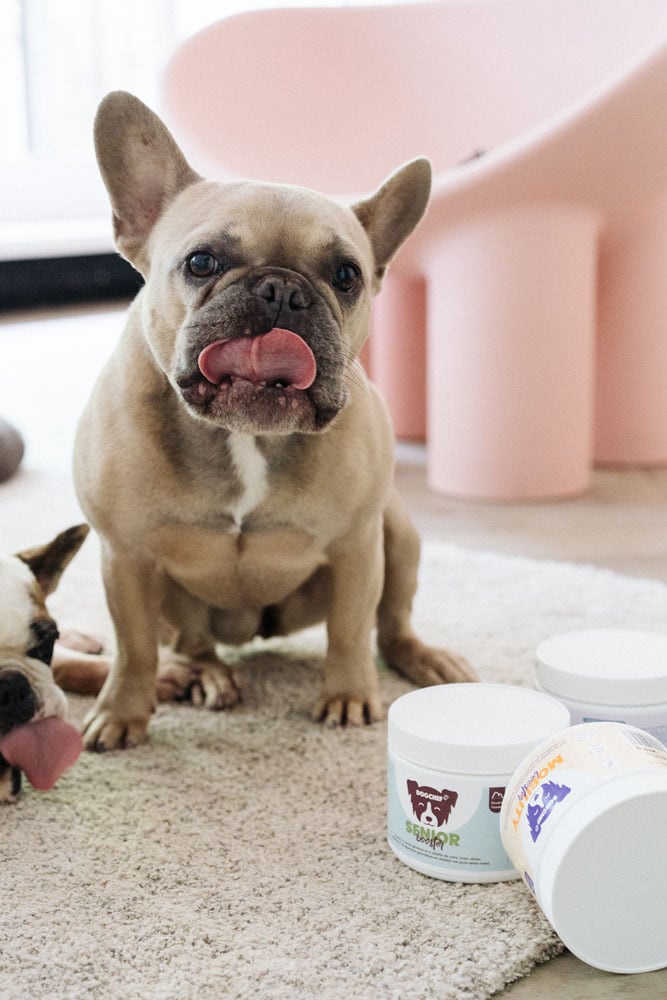
Every dog is unique, and nutritional needs evolve with the condition. By getting a free estimate on our site, you’ll receive a personalised recommendation based on your dog’s age, weight and health status. Our experts designed these menus to target joint comfort and vitality. Take the first step toward smoother daily life by creating your dog’s profile now.
Trouvez la solution idéaleArthritis is an acute, often reversible joint inflammation caused by infection or trauma. Osteoarthritis is a chronic degenerative disease defined by irreversible cartilage wear. Both may benefit from a diet rich in antioxidants and omega-3 to help limit inflammation and preserve mobility.
Relief comes from a combined approach: strict weight control, gentle activity and targeted nutrition. Fresh food rich in essential fatty acids can help soothe inflammation. Complementary therapies (osteopathy) and home adaptations (comfortable bedding, ramps) also improve daily comfort and slow progression.
Common signs include stiffness on rising, difficulty climbing stairs, reduced enthusiasm for walks, intermittent limping, or excessive licking of a painful joint. Early detection plus quick dietary adjustment helps stabilise the condition and slow cartilage degradation.
Yes – movement is essential. Moderate, regular activity maintains muscle mass and cartilage flexibility. Prefer several short flat walks rather than one long exhausting outing, and ensure the diet supports this muscular effort.
Osteoarthritis isn’t fatal, and dogs can live many years with it. Quality of life depends on management. Keeping an ideal weight and feeding fresh food rich in protective nutrients can support a calm, comfortable senior life.
There is no miracle food, but fresh, natural nutrition is a strong ally. Choose meals rich in omega-3s (EPA & DHA), especially fish-based options, for their anti-inflammatory properties. Turmeric or natural chondroprotective ingredients can also support cartilage. Avoid excess carbs and ultra-processed ingredients to help maintain ideal weight and limit systemic inflammation.
Protocols often include anti-inflammatories during flare-ups, but long-term management is based on lifestyle and nutrition. Physiotherapy and hydrotherapy help strengthen muscles. A tailored diet supports joint health by providing the right nutrients—aiming to reduce pain while preserving autonomy and quality of life.
Yes. Bone friction due to cartilage loss causes constant inflammation. Dogs often mask pain, but stiffness or personality changes are indicators. A fresh, balanced diet helps reduce internal inflammation and acts as natural support to ease chronic pain and make movement smoother and more comfortable.
Votre navigateur est obsolète!
Mettez à jour votre navigateur pour afficher correctement ce site Web. Download Google Chrome