If your dog keeps scratching, licking their paws or rubbing their face against furniture, they’re likely suffering from itching (pruritus). This is one of the most common reasons for a veterinary consultation, because it can quickly become a vicious cycle: scratching damages the skin, which increases inflammation – and therefore itching.
While parasites and allergies are common triggers, nutrition also plays a major role in supporting the skin barrier. An adapted diet can help reduce inflammation and provide the nutrients needed for healthier, calmer skin.

Itching is an unpleasant sensation that makes your dog want to scratch, lick or bite their skin. It is not a diagnosis in itself, but a symptom that can be caused by many factors: parasites, allergies, infections (bacteria/yeast), dry skin, or even stress.
When itching becomes chronic, it can lead to hair loss, scabs, thickened skin and secondary infections. That’s why it’s important to identify the cause early and support the skin both externally (appropriate care) and internally (nutrition).

There are several forms of pruritus depending on its cause and where it appears.
Where the itching occurs helps identify the underlying cause. Each type of itching requires a specific approach to soothe irritation and strengthen the skin’s natural defences – while preventing scabs or unpleasant odours from developing.

Although diet can provide considerable support, certain situations require professional advice.
If you notice your dog’s skin has oozing wounds, significant scabs or an unusual odour, a consultation is necessary.
Likewise, a dog that scratches to the point of no longer sleeping or stopping eating is expressing pain that must be identified quickly. The veterinarian will be able to rule out serious conditions and make sure the lesions are not secondarily infected. Early intervention helps prevent the problem from worsening and allows an appropriate care protocol to be put in place.
Dog Chef also works closely with nutrition experts to ensure its recipes effectively support the work of veterinary clinics.
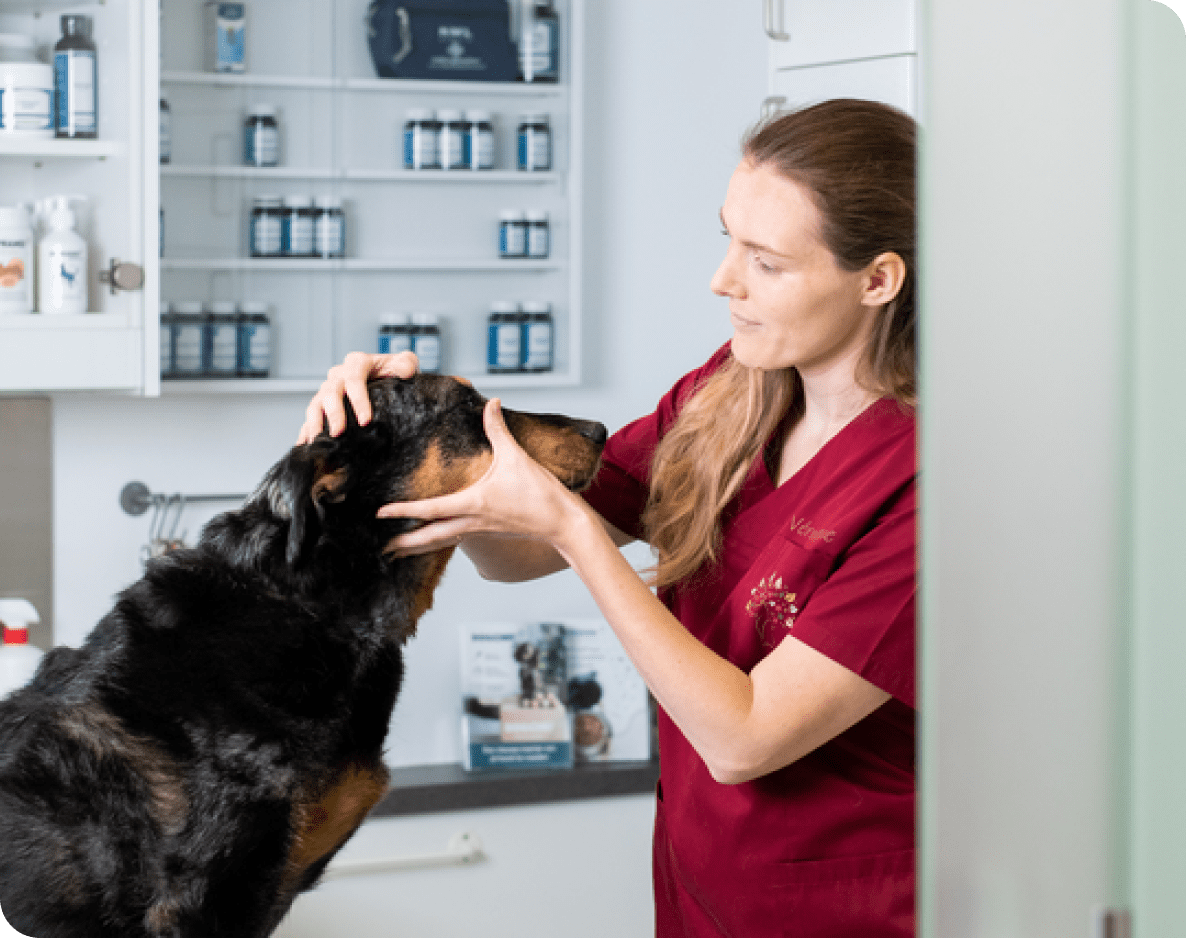
To identify precisely why your dog is scratching, a rigorous process is generally followed. Diagnosis often begins by excluding parasites through strict anti-parasite treatment.
If symptoms persist, skin tests or blood tests may be performed. If food sensitivity is suspected, an elimination diet is the reference method: it consists of feeding the animal a single, new protein source for several weeks.
This step requires patience but is crucial to determine whether the ingredients in their current bowl are responsible. Careful observation of where redness appears and how often scratching occurs also helps guide the investigation.
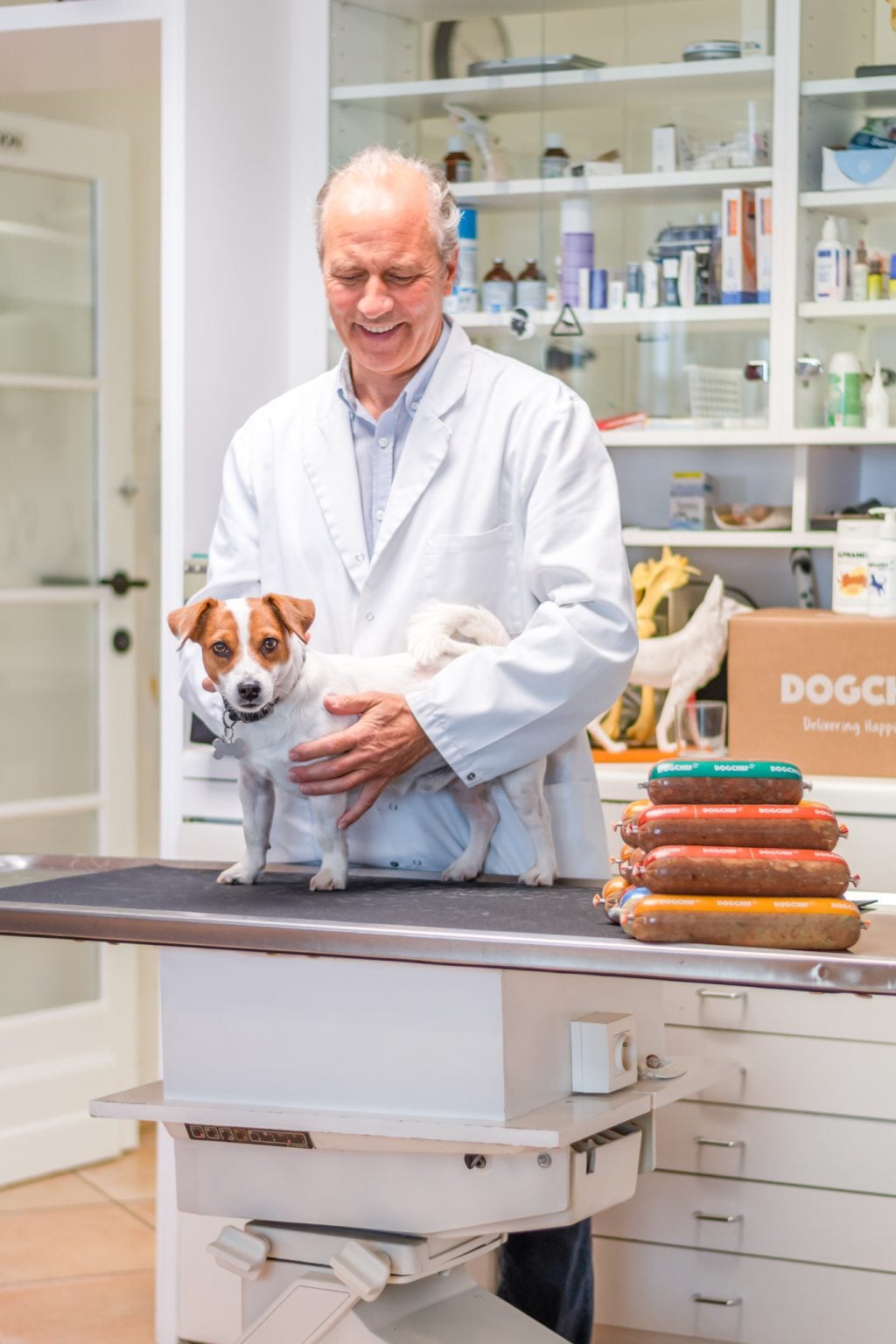
Relieving pruritus often relies on a combination of different solutions. Depending on the identified origin, specific shampoos may be used to clean the dog’s epidermis and soothe the skin.
In some cases, temporary use of food supplements or local care based on aloe, for example, helps calm immediate irritation. If inflammation is too strong, more targeted solutions may be considered to break the scratching cycle.
The goal is always to restore the dog’s comfort while addressing the root cause. A global approach including rigorous environmental management and high-quality nutrition helps limit the use of heavy chemical solutions and maintain healthy skin balance in the long term.
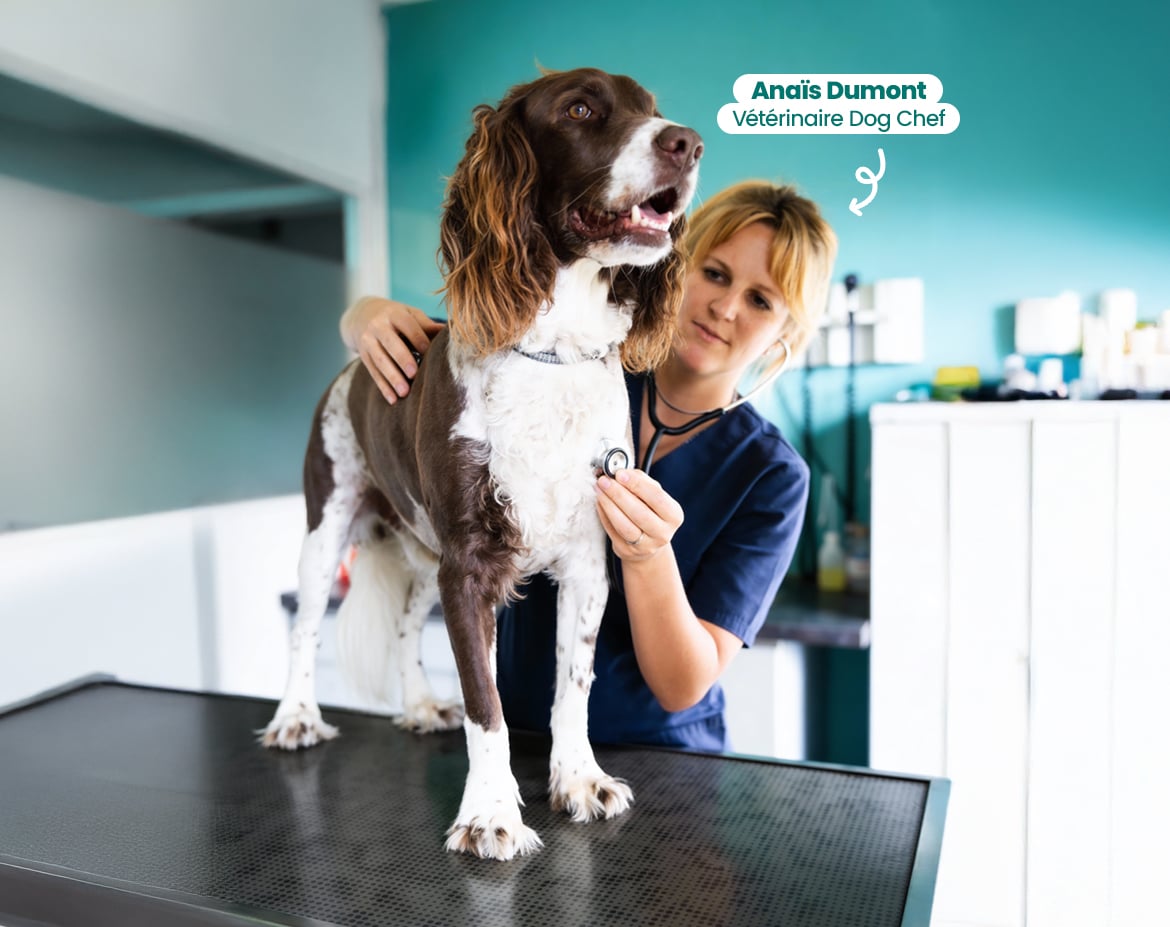
Many owners turn to natural remedies to support their pet’s skin.
Coconut oil, thanks to its moisturising properties, can be applied locally to dry areas. Using plants with soothing properties, such as chamomile as a compress, also helps calm minor redness. However, the most effective natural solution remains a raw/less processed diet and one rich in omega-3.
By avoiding colourings, artificial flavours and chemical preservatives, the toxic load on the body is considerably reduced.
A holistic approach also considers the dog’s emotional well-being and the quality of their environment. By combining gentle care and fresh nutrition, you give your companion the best chance of regaining calm skin without stressing their metabolism.
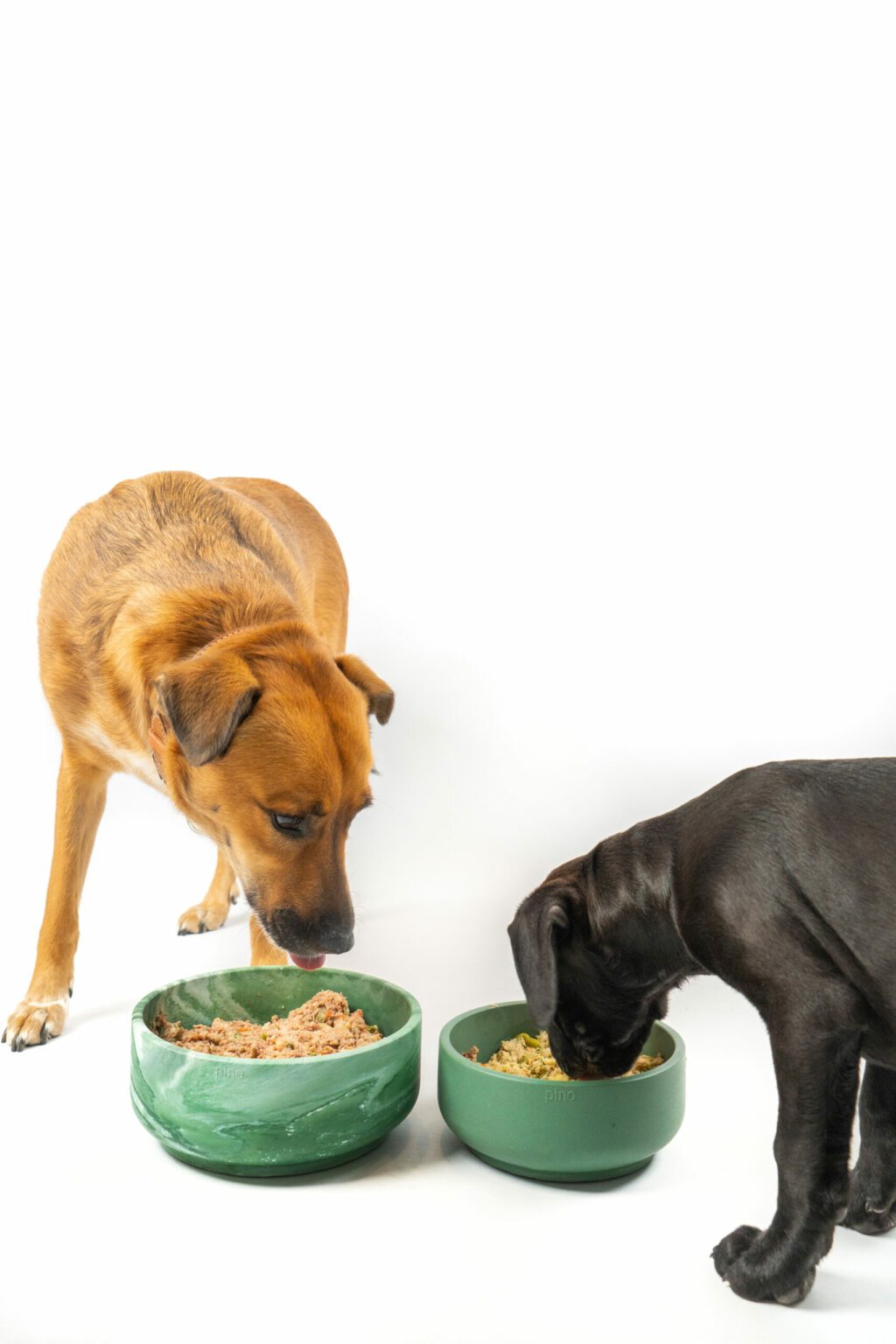
Skin reflects your dog’s internal health. Unsuitable nutrition, rich in ultra-processed ingredients or low in essential fatty acids, can promote a general inflammatory state.
Conversely, a balanced diet provides the essential building blocks to rebuild the skin barrier. High biological value proteins are essential for keratin synthesis, while vitamins (notably vitamin E and the B complex) support cellular regeneration.
Diet is not only about feeding the animal – it acts as real metabolic support. By choosing fresh, natural ingredients, you allow the body to better manage external aggressions and maintain supple skin that is less prone to irritation and everyday itching linked to nutritional deficiency.

Since 2017, Dog Chef has supported owners towards a more transparent and healthier diet.
Our recipes are developed with veterinarians to meet dogs’ specific needs, including those with sensitive skin. Unlike classic industrial options, our meals are prepared with fresh ingredients, with no preservatives or artificial flavours. This purity of ingredients is essential for dogs that scratch, because it removes many potential irritating agents.
Voted “Products of the Year 2026”, our portions are personalised according to your pet’s profile, guaranteeing an optimal intake of vitamins and minerals. By choosing Dog Chef, you choose recognised expertise that puts nutrient quality at the service of skin comfort and your companion’s vitality.
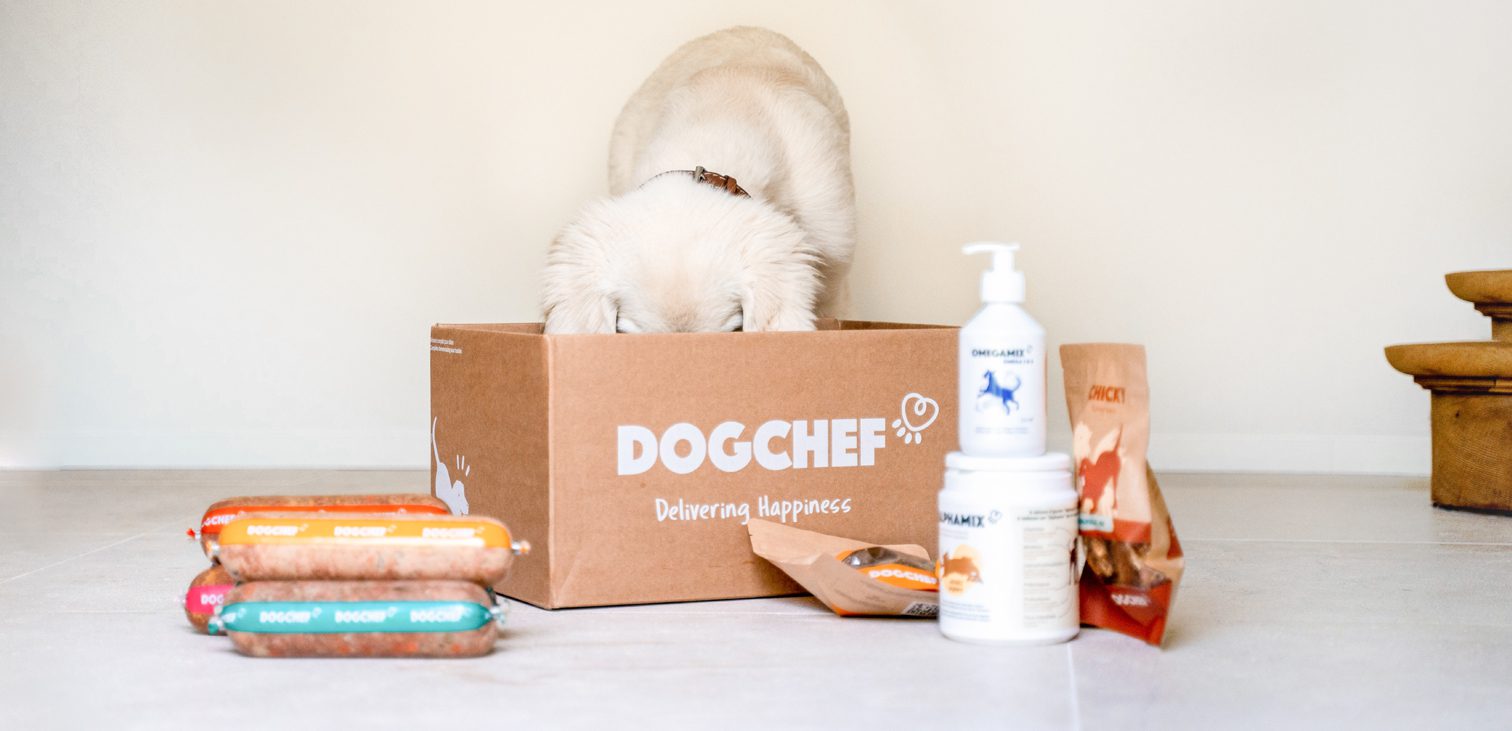
Successfully transitioning to fresh food is essential, especially for a dog whose body is already strained by itching.
We recommend a transition period of 7 to 10 days.
Start by adding 25% Dog Chef to their usual ration for two days, then move to 50% for the next three days, and finally to 75%. This gradual approach allows the digestive system and skin metabolism to adapt to new nutrients without stress.
During this period, carefully observe changes in behaviour: a gradual decrease in pruritus is often the first positive sign.
Once the transition is complete, deeper benefits on skin structure and coat quality generally stabilise after one month on an exclusive diet.

Every dog is unique and their nutritional needs vary depending on breed, age and sensitivities. Don’t stay in doubt when facing your companion’s skin problems. By doing a free estimate on our platform, you will get a personalised recommendation developed by our experts. A few minutes are enough to define your pet’s profile and discover the freshest recipe that soothes them the most.
Offer them, starting now, superior-quality food designed for their well-being and delivered directly to your home.
Find the ideal solutionVotre navigateur est obsolète!
Mettez à jour votre navigateur pour afficher correctement ce site Web. Download Google Chrome