When your dog is dealing with a medical condition, nutrition can’t be left to chance. Dog food formulated with veterinarians helps cover specific needs while limiting excesses that can make management more difficult. Many experts emphasise the crucial role diet plays in managing overweight, digestive disorders or skin issues.
At Dog Chef, we’ve been cooking fresh meals and making balanced kibble since 2017. Each recipe is developed with specialists to provide your companion with a reliable nutritional foundation, perfectly adapted to their health status.

High-quality, vet-informed canine nutrition provides the energy, proteins and minerals your dog needs – without unnecessary overload. A good balance helps stabilise weight, support digestion and preserve muscle mass, all of which are key when living with a chronic condition.
In practice, veterinarians often remind owners that even moderate excess weight can worsen diabetes or osteoarthritis. Our Dog Chef recipes are complete and prepared with fresh ingredients, designed to support your dog’s health over the long term.
For a specific diet to truly help, consistency is essential. Here are four frequent situations that can affect your dog’s ration balance – and how to manage them simply day to day.
When portions exceed your dog’s real energy needs, weight gain gradually sets in. Overweight increases the risk of diabetes, osteoarthritis and reduced exercise tolerance.
We calculate Dog Chef portions based on multiple parameters such as your dog’s weight, age and activity level, to help them return to a healthy weight.
Extras given throughout the day can represent a significant share of daily energy intake without being nutritionally balanced. They add on top of the complete ration and can alter the original nutritional balance.
Including treats in the overall ration calculation helps adjust Dog Chef quantities accordingly and avoid unwanted weight gain.
Switching abruptly from one food to another can cause digestive discomfort, gas or reduced appetite – especially in sensitive dogs. A gradual transition gives the digestive system time to adapt to the new formula.
Mixing the previous food with Dog Chef meals over several days is the approach most often recommended by canine nutrition professionals.
Preparing your dog’s meals at home without a vitamin–mineral supplement exposes them to deficiencies in minerals or vitamins. These imbalances can weaken bones, kidneys or immune function.
Dog Chef recipes are complete, developed with experts and based on strict nutritional standards, to cover all needs – including for dogs with a medical condition.
Diet doesn’t cause a disease on its own, but it strongly influences symptom progression and your pet’s comfort. Nutrition that’s specifically formulated can support the management of many digestive, metabolic or skin-related conditions. Our complete recipes can serve as a strong baseline to adapt the ration to your dog’s medical condition, always in line with their usual professional follow-up.
Allergies often show up as skin symptoms or digestive issues. A diet based on selected ingredients makes it easier to identify and exclude potential allergens or intolerances.
Excess weight increases stress on joints. Precise calorie control is part of overall mobility management.
With skin conditions, adapting the diet to strengthen the skin barrier is essential. Increased intake of essential fatty acids has been shown in many studies to improve skin symptoms.
Obesity is the #1 risk factor for developing diabetes. When diabetes is established, diet should help avoid blood sugar spikes – typically through a low-carbohydrate, high-fibre approach.
Soft stools or discomfort after meals can signal digestive sensitivity. Highly digestible food often helps improve tolerance.
Recurrent vomiting or loss of appetite may point to gastritis. Smaller, split meals and very digestible, lower-fat food are often recommended.
With kidney disease, a diet controlled in phosphorus and based on high-quality proteins helps limit metabolic waste production. Maintaining optimal hydration remains a top priority to support kidney function.
Excess weight reduces life expectancy by an average of 2 to 3 years. A measured diet combined with rigorous daily portion control is essential to support a gradual return to an ideal body weight.
Pancreatitis is generally linked to a diet that’s too high in fat. A controlled-fat diet split into several small daily portions helps reduce stress on the pancreas and support digestive comfort.
Certain warning signs should make you question whether your dog’s meals are truly adapted. Episodes of diarrhoea, vomiting or bad breath often reflect poor tolerance. A dull coat, itching or excessive paw licking can also be linked to food sensitivities.
Progressive weight gain – or on the contrary, weight loss or appetite loss – should always lead to professional advice. Your veterinarian can assess your dog’s overall health and help determine the most suitable diet for their specific needs.
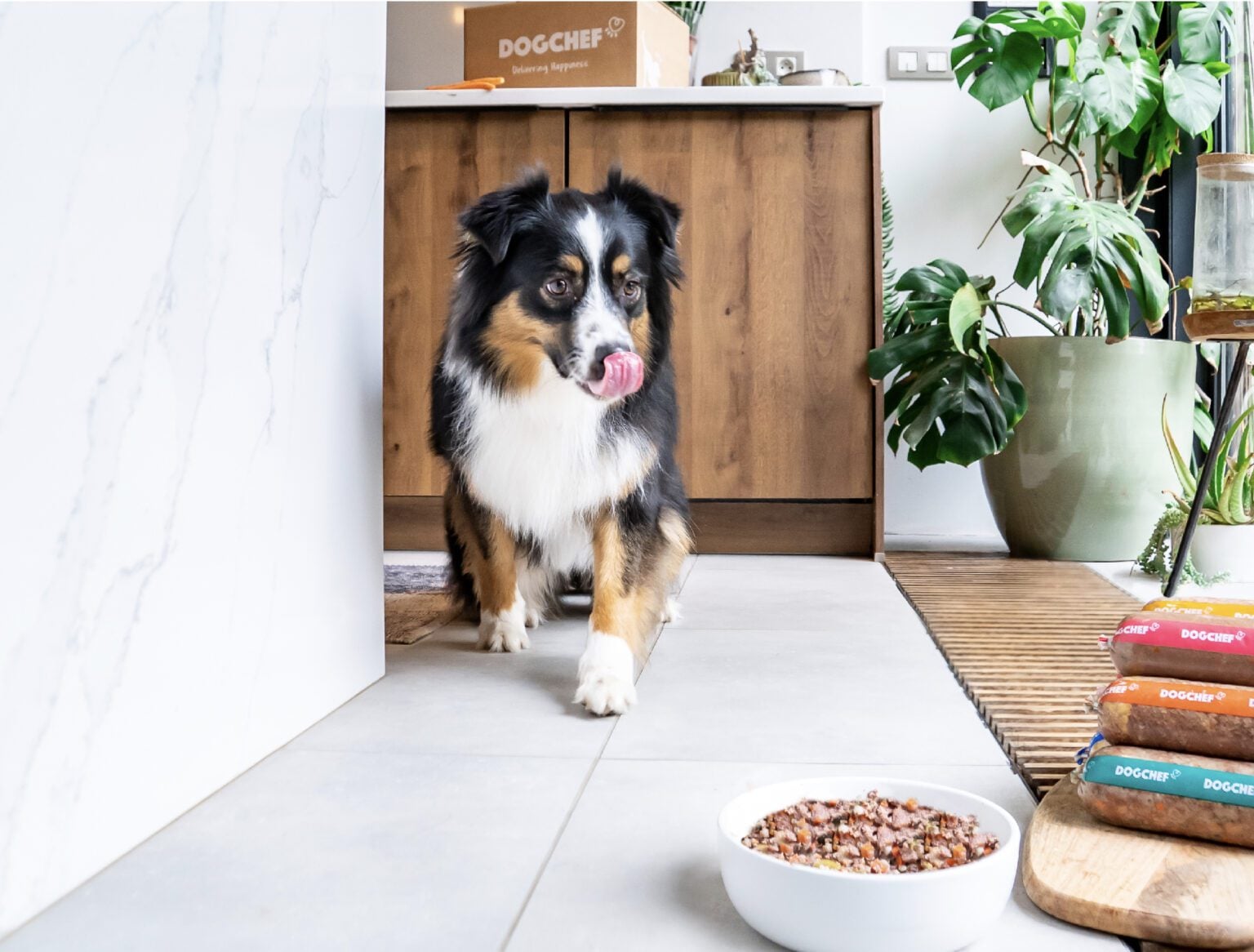
You’re looking for a nutrition solution adapted to your companion’s medical condition – without multiplying unsuccessful trials. By answering a few questions, their personalised ration can be estimated based on their characteristics and the health information shared.
We then prepare a tailored recommendation, built on our know-how since 2017. You receive a clear proposal, developed with veterinarians, to precisely adjust your dog’s diet day to day.
Take the quizVotre navigateur est obsolète!
Mettez à jour votre navigateur pour afficher correctement ce site Web. Download Google Chrome