Kidney failure is a serious condition that affects many dogs and impacts their ability to filter metabolic waste from the blood. Whether acute or chronic, it requires specific attention—especially through appropriate nutritional management.
Seeing your companion lose appetite or energy is worrying, but solutions exist to support kidney function and improve quality of life. By prioritising fresh ingredients and high-quality nutrients, you can give your dog valuable support.

Kidney failure is when the kidneys can no longer perform their vital roles: filtering waste, balancing minerals, regulating blood pressure, and producing certain hormones.
There are two main forms:
Because kidneys have a large functional reserve, symptoms often only become visible once 70-75% of kidney function is already impaired. Early diagnosis is therefore essential to stabilise the disease and preserve remaining function, helping extend life expectancy.

All dogs can be affected, but some breeds have stronger genetic predispositions.
Lhasa Apsos, Bull Terriers and Cocker Spaniels are known for hereditary kidney diseases that can appear early. Samoyeds and Cairn Terriers may also present renal dysplasia.
Small breeds, which often live longer, are statistically more prone to age-related chronic kidney failure. Regular monitoring (annual bloodwork) is recommended from adulthood.
Understanding the risks associated with kidney failure in dogs helps you put in place protective lifestyle habits and an adapted preventive diet – even before the first clinical signs appear.

Ageing is the main risk factor for chronic kidney failure: nephrons naturally wear out and do not regenerate.
Many dogs over 10 show some degree of kidney impairment, making them more sensitive to dehydration and less able to eliminate excess proteins or minerals such as phosphorus or potassium.
Age itself isn’t a disease: an older dog can live comfortably with reduced kidney function if their environment and nutrition are adjusted. The goal is to reduce filtration effort while still providing high-quality energy to fight muscle loss.

Kidney failure can have multiple causes. Age-related wear is the most common, but other factors can damage the kidneys prematurely: untreated urinary infections that spread to the kidneys (pyelonephritis), infectious diseases such as leptospirosis, and toxin ingestion (antifreeze, certain human medications like ibuprofen, or foods like grapes).
Chronic diseases like diabetes, high blood pressure or unstable heart disease can also strain kidney filtration units over time. Finally, an unsuitable diet that is too high in phosphorus or low-quality protein may accelerate deterioration in fragile dogs.

Diagnosis is based on a clinical exam plus lab tests: bloodwork to measure creatinine and urea, and urinalysis to check urine density and possible protein presence. A kidney ultrasound may be needed to assess kidney structure.
Treatment depends on the form: acute crises often require hospitalisation with IV fluids to “flush” the body, while chronic cases focus on slowing progression – typically with phosphorus binders, blood pressure medication, and above all a tailored diet, plus regular follow-up to adjust the plan and maintain quality of life.
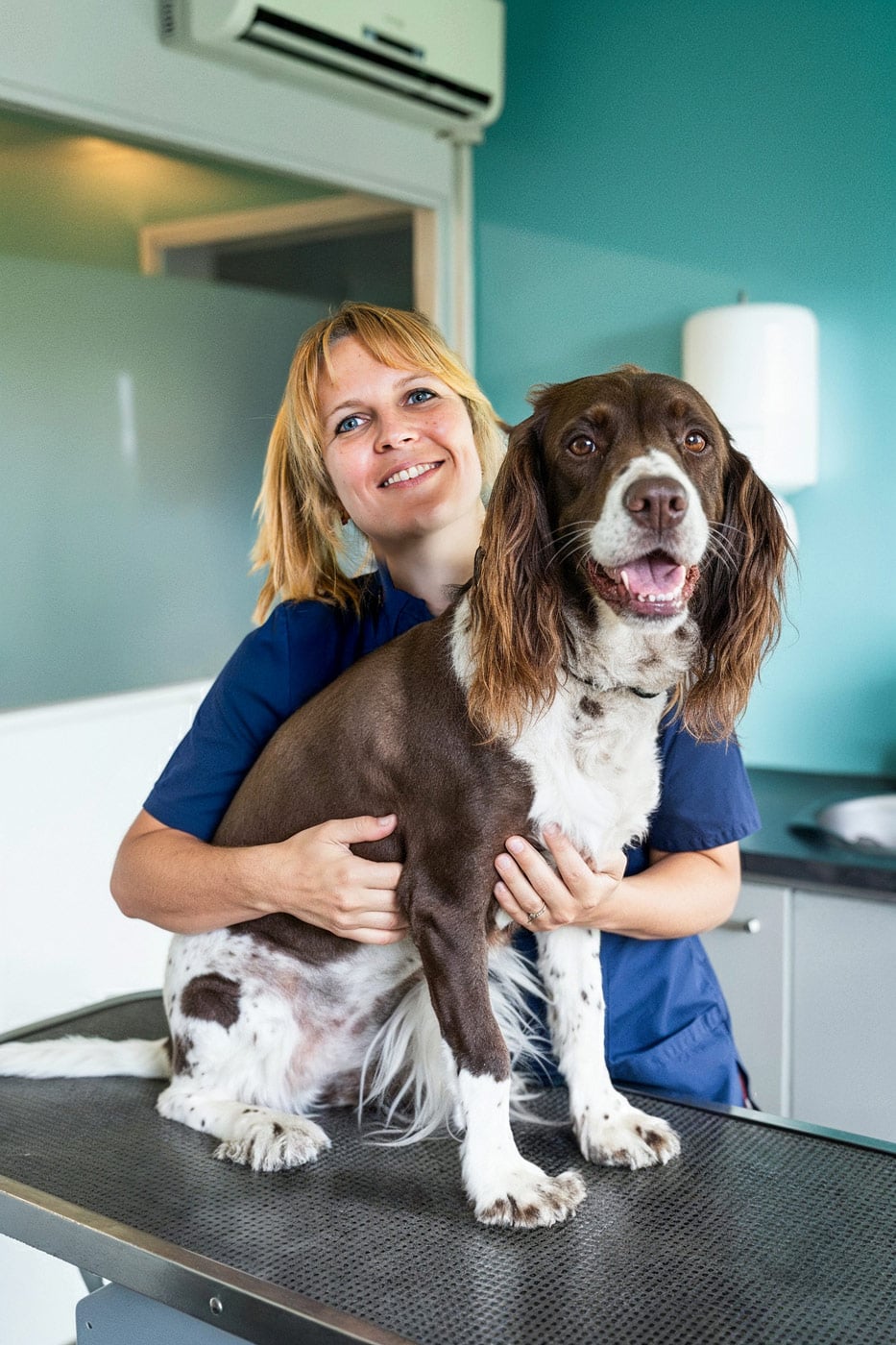
Nutrition is the central pillar of kidney-failure management. The goal is twofold: limit toxic waste build-up in the blood while maintaining body condition and vitality.
In this context, wet or fresh food is often recommended: it supports natural hydration and eases filtration work, unlike dry kibble which can add elimination stress to an already fragile system.
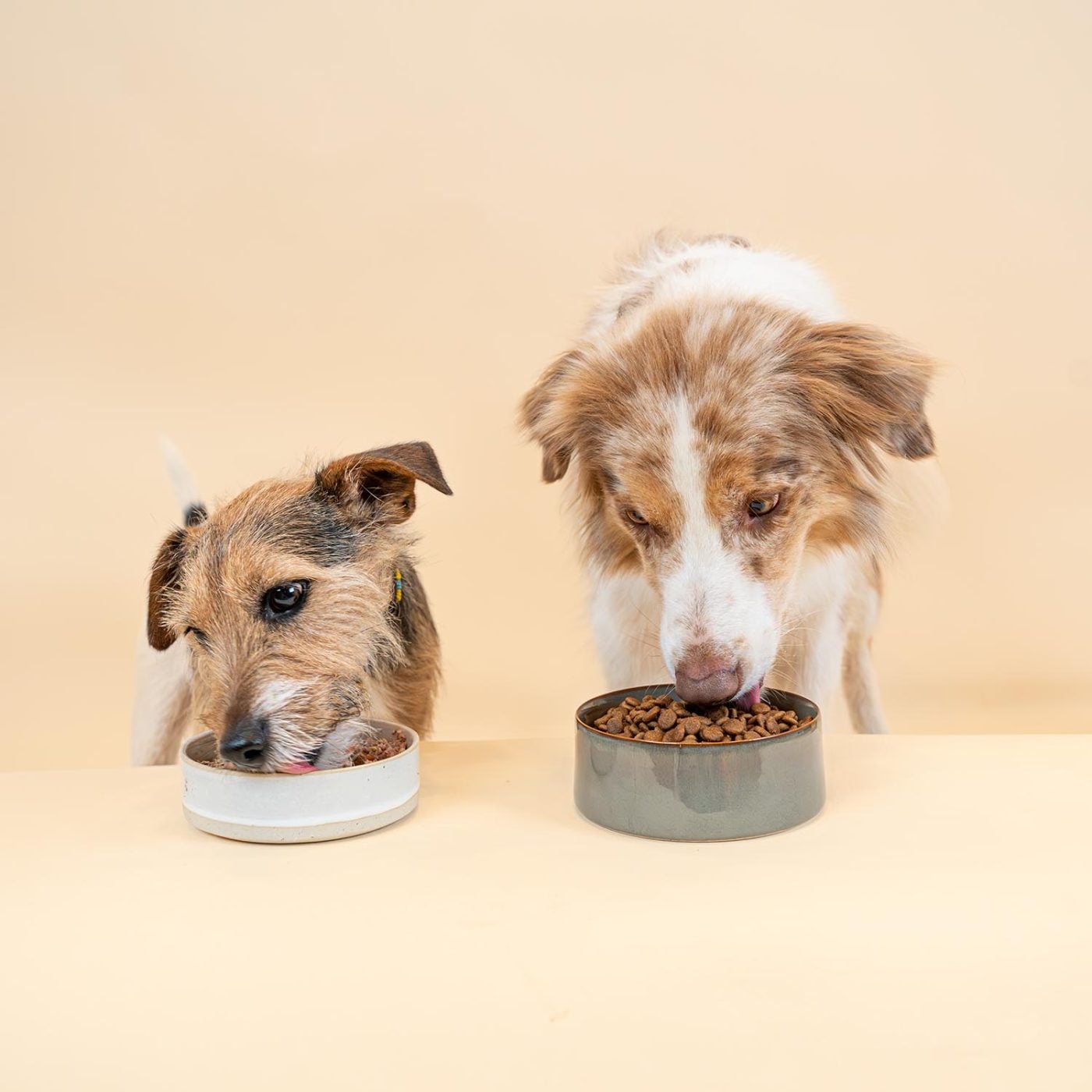
Since 2017, Dog Chef has offered fresh meals developed with veterinarians to meet the specific needs of sensitive dogs. Voted “Product of the Year 2026”, our meals are gently cooked at low temperature to preserve nutrients and ensure high digestibility.
For dogs with kidney issues, our tailored approach uses naturally appetising ingredients to stimulate appetite in nauseous dogs, while controlling mineral and protein intake and providing optimal hydration through fresh food.
Our recipes make it possible to precisely control mineral and protein intake while providing optimal hydration thanks to the freshness of the ingredients. By choosing Dog Chef, you give your companion transparent, preservative-free nutrition, specifically designed to support their vitality without overworking their kidneys.
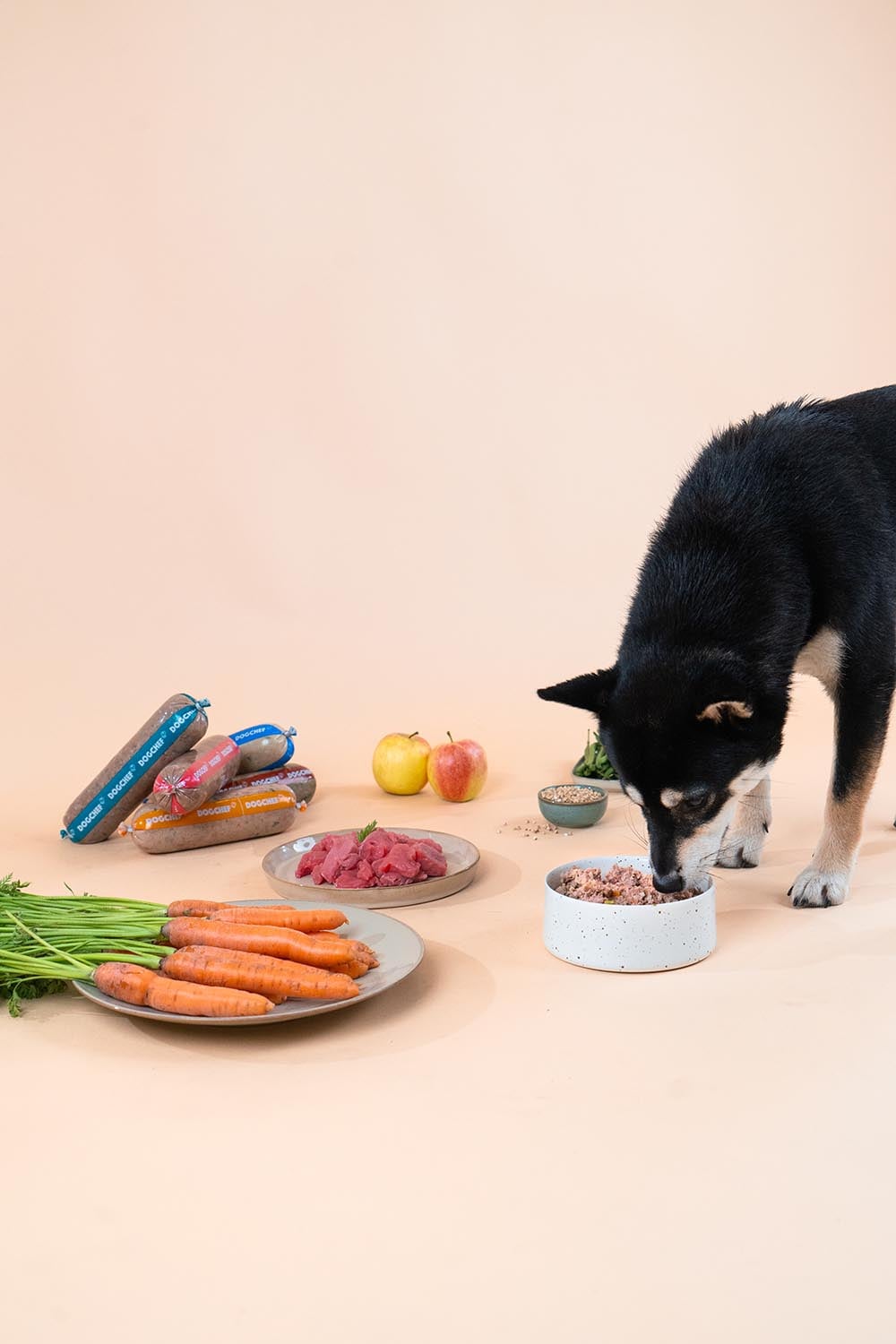
Switching to Dog Chef fresh food should be done carefully – especially when metabolic balance is fragile. A 7-10 day gradual transition is recommended: start by mixing 25% fresh food with the previous diet for two days, then move to 50% in the following days.
For dogs with kidney failure, this transition also helps ensure they accept the new food without triggering nausea. Because portions are pre-calculated using veterinary recommendations, you can feel confident you’re feeding the right nutrient amounts.


Votre navigateur est obsolète!
Mettez à jour votre navigateur pour afficher correctement ce site Web. Download Google Chrome