Seeing your dog suffer from skin issues is stressful for any owner. Dog dermatitis – whether occasional or chronic – can seriously affect comfort and wellbeing. Between constant itching and irritation, identifying the cause is essential to act effectively.
At Dog Chef, we believe healthy skin starts in the bowl. With fresh, natural, highly digestible ingredients, you give your dog the nutrients they need to strengthen their skin barrier. Discover how a tailored nutrition approach, developed with experts, can become a real ally for dogs with sensitive skin.

Dermatitis in dogs is the medical term for inflammation of the skin. It can take several forms: allergic, parasitic (flea-related), seborrhoeic, or fungal/yeast-related.
When a dog has dermatitis, the skin barrier is weakened, making the skin more reactive and increasing the risk of secondary infections. Whether it affects paws, ears or other areas, dermatitis requires targeted care.
Understanding that the skin often reflects internal balance is key to building an effective long-term strategy – combining a consistent routine with appropriate nutrition.

It’s important to distinguish dermatitis from canine atopic dermatitis (atopy).
Dermatitis can be a one-off reaction to an irritant, parasites or pathogens. Atopic dermatitis is usually a chronic condition with a genetic component – similar to eczema in humans. In atopic dogs, the skin barrier is naturally more porous, making them more sensitive to environmental allergens (pollen, dust mites).
Unlike simple dermatitis that improves once the trigger is removed, atopy requires long-term management. In both cases, the objective is the same: calm inflammation and limit flare-ups by supporting the skin’s protective functions – especially through targeted nutrition.

Dermatitis rarely has a single cause. Fleas and flea allergy dermatitis are among the most common triggers.
Food allergies (often linked to certain proteins or additives) can also maintain chronic skin inflammation. Yeasts/fungi and bacteria may take advantage of a weakened skin barrier, causing secondary infections.
Other factors – stress, nutrient imbalance, or insufficient essential fatty acids (omega-3/omega-6) – can weaken the skin barrier and lower resistance. A veterinary assessment is important to identify the cause and adapt both environment and diet.

Your dog’s environment plays a major role. Seasonal allergens (pollen), mould and dust mites are frequent triggers, especially in allergic dogs.
Some cleaning products, harsh shampoos or treated floors may cause contact irritation. Climate matters too: humidity encourages yeast growth, while cold, dry air can dry out skin and worsen flaking.
Reducing exposure helps – but strengthening the skin barrier from within through nutrition can also significantly reduce flare intensity and improve daily comfort.

For dogs with dermatitis, every ingredient matters. An unsuitable diet – often very processed or rich in irritants – can maintain systemic inflammation and weaken the epidermis.
A diet based on high-quality proteins and a short, readable ingredient list helps reduce intolerance risk. Nutrients such as essential fatty acids, zinc, and key vitamins support regeneration and strengthen the skin’s protective film.
Choosing fresh, transparent nutrition gives your dog the building blocks to better handle external aggressions—and supports skin that becomes less reactive over time.
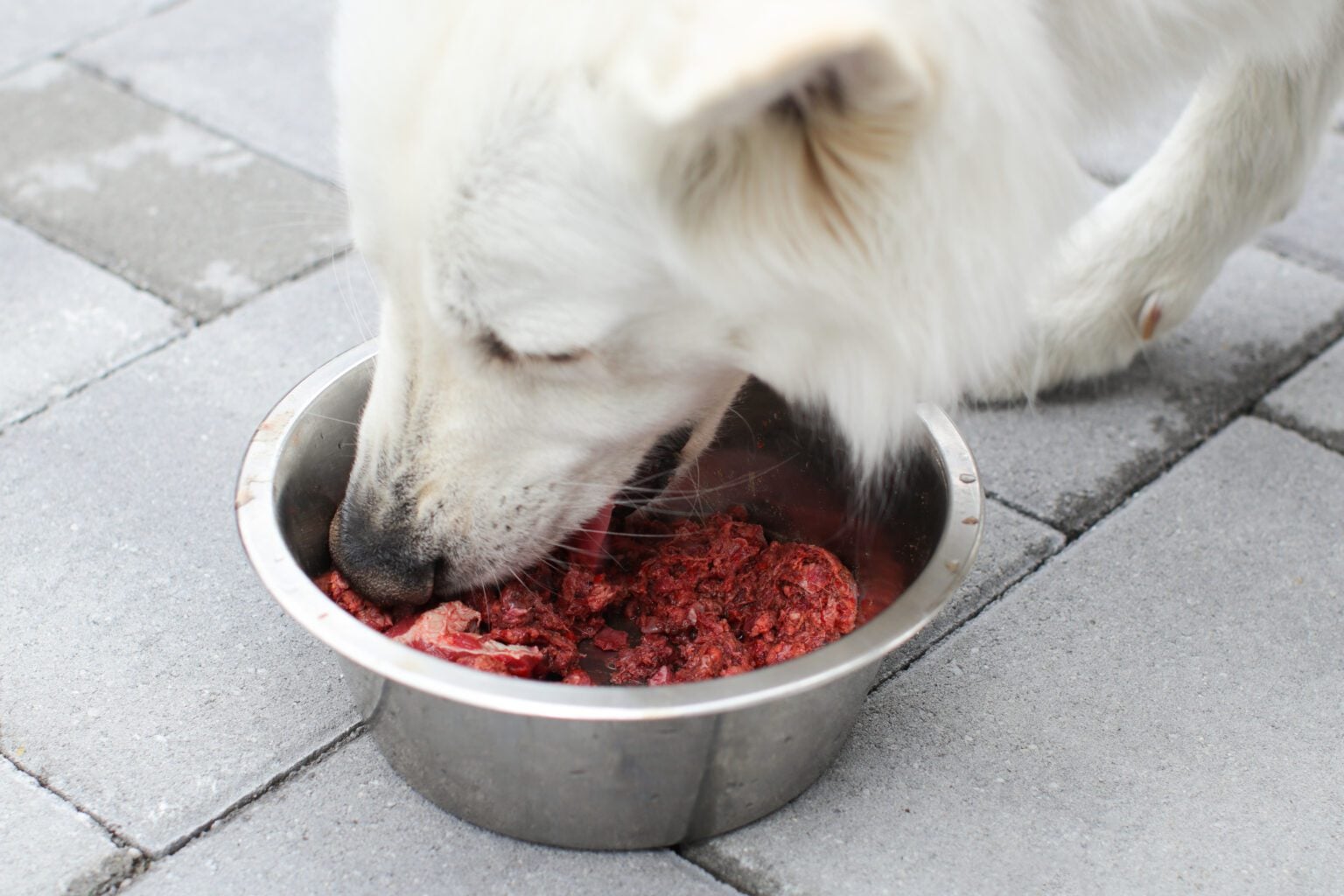
Since 2017, Dog Chef has supported owners of sensitive dogs with a nutrition approach built on absolute freshness and ingredient quality. Our recipes are rigorously developed with veterinary nutritionists to meet the specific needs of even the most demanding skin profiles.
Voted “Product of the Year 2026”, our recipes use only whole ingredients, guaranteed free from preservatives and artificial flavours. Unlike industrial dry diets often processed at high temperatures, Dog Chef fresh food preserves the integrity of essential nutrients.
We offer a variety of recipes (chicken, beef, fish, duck, turkey or pork), making it easy to run clear elimination trials or provide a naturally hypoallergenic diet.
By choosing our personalised meals, you help strengthen your companion’s skin barrier and restore everyday comfort—while taking full control over what goes into their bowl.

For sensitive dogs, transition gradually over 7 to 10 days:
Monitor stools and itching during the transition. Consistency is key: improvements in skin comfort and coat quality are usually seen after a few weeks of stable nutrition.


Fill in your dog’s profile (weight, age, activity level, sensitivity) to receive a personalised recommendation validated by our veterinary experts.
Find the ideal solutionVotre navigateur est obsolète!
Mettez à jour votre navigateur pour afficher correctement ce site Web. Download Google Chrome