Seeing your companion suffer from digestive issues is always worrying. Whether your pet has occasional soft stools or more severe watery diarrhea, it’s essential to understand the root cause to respond appropriately. Dog diarrhea is not a disease in itself, but a symptom showing that intestinal transit is disrupted.
Fortunately, in many cases, careful diet management and appropriate care help restore balance quickly. This complete guide helps you identify the causes, recognise emergency signs, and discover how healthy food can become the best ally for your dog’s digestive health.
Diarrhea in dogs is characterised by stools that are softer – or completely liquid – along with an increased frequency of bowel movements.
Unlike normal stool, diarrheic stool contains too much water because it has spent too little time in the colon (where water is reabsorbed). We generally distinguish an acute form (sudden onset, short duration) from a chronic form (lasting beyond three weeks).
Whether it’s a dog with a temporary colic episode or irregular stools, this phenomenon reflects inflammation of the intestinal mucosa. Identifying the texture (mucus-like stools, etc.) is a crucial first step to guide advice from your animal health professional.
The causes of intestinal transit disruption are numerous. Often, dog diarrhea is linked to a diet change that was too abrupt (without transition), or to ingestion of unsuitable foods during food poisoning (table scraps, spoiled food).
Intestinal parasites (worms) are also common culprits, as are bacterial infections or viruses. Stress and anxiety can also affect intestinal motility. In some dogs, a food allergy or intolerance triggers repeated inflammation.
Finally, ingestion of foreign bodies or toxic products requires particular vigilance. Understanding whether the cause is environmental, infectious or nutritional is the key to stopping symptoms long term and preventing your companion from weakening unnecessarily
Although common, diarrhea can sometimes hide a critical situation. Seek veterinary care immediately if you notice blood in the stool (hemorrhagic diarrhea or melena), as this indicates severe mucosal damage. Diarrhea and vomiting at the same time drastically increases dehydration risk – especially in a 2-month-old puppy, whose reserves are limited.
Pay attention to overall condition: a lethargic dog, a dog refusing food, one with marked abdominal pain (hunched back) or fever must be examined. Rapid weight loss or pale gums are also warning signs.
When in doubt, calling your veterinary clinic helps confirm whether immediate care is necessary for your pet’s safety.
To establish an accurate diagnosis, the professional reviews medical history and may request a stool analysis (coproscopy).
In mild cases, treatment often relies on resting the digestive system. Using an intestinal protectant (clay/smectite or activated charcoal) helps protect the intestinal wall and absorb toxins. Specific probiotics are often prescribed to rebalance the intestinal flora. The goal is to stop diarrhea while preventing dehydration. If a parasitic cause is suspected, an adapted dewormer will be given.
The solution typically combines lifestyle hygiene, reinforced hydration and a gentle transition back to more digestible food once the episode has passed.
Diarrhea can be the symptom of more complex conditions: parvovirus (very serious in puppies), giardiasis (microscopic parasite), or exocrine pancreatic insufficiency (not enough enzymes to digest properly). Chronic inflammatory bowel disease (IBD) or kidney/liver failure can also cause recurring transit issues. Sometimes it’s simply a reaction to food poisoning.
It’s therefore crucial not to treat only the symptom, but to make sure – together with an expert – that no underlying condition requires a heavier medical protocol to protect your dog’s overall health.
When natural methods aren’t enough – or in acute diarrhea – your veterinarian may prescribe more targeted medication: anti-diarrheals to slow transit, or antibiotics if a bacterial infection is confirmed. In severe dehydration, hospitalisation with IV fluids may be life-saving to restore fluids and minerals. For chronic diarrhea, allergy tests or biopsies may be needed to implement a specific therapeutic diet.
Veterinary follow-up helps adjust dosages and ensure the chosen solution matches the detected condition – supporting complete recovery.
Prevention is better than cure: your dog’s digestive health starts with strict lifestyle hygiene. Keep the deworming protocol up to date to protect against parasites. Avoid abrupt food changes – any modification should be done through a 10-day transition. Prevent access to bins and toxic foods (chocolate, onions, for example).
Finally, choosing high-quality dog food, rich in “noble” proteins and free from chemical additives, remains the best shield. A dog with a robust immune system and healthy intestinal flora will resist external aggressions far better. An annual check-up visit also helps detect early signs of digestive weakness.
At Dog Chef, we believe your dog’s health starts in their bowl – especially when they have intestinal sensitivity.
Our home-style recipes, voted “Products of the Year 2026”, are developed with veterinarians to meet the needs of sensitive dogs. Unlike industrial kibble often high in starch and additives, we use fresh, human-grade ingredients. Our chicken- or turkey-based menus are cooked at low temperature to preserve nutrients while ensuring optimal digestibility (above 90%). By eliminating preservatives and filler agents, Dog Chef reduces the risk of inflammation and digestive issues.
Each portion is calculated to measure for your pet, ensuring controlled calorie intake that respects metabolism and supports calmer daily transit.
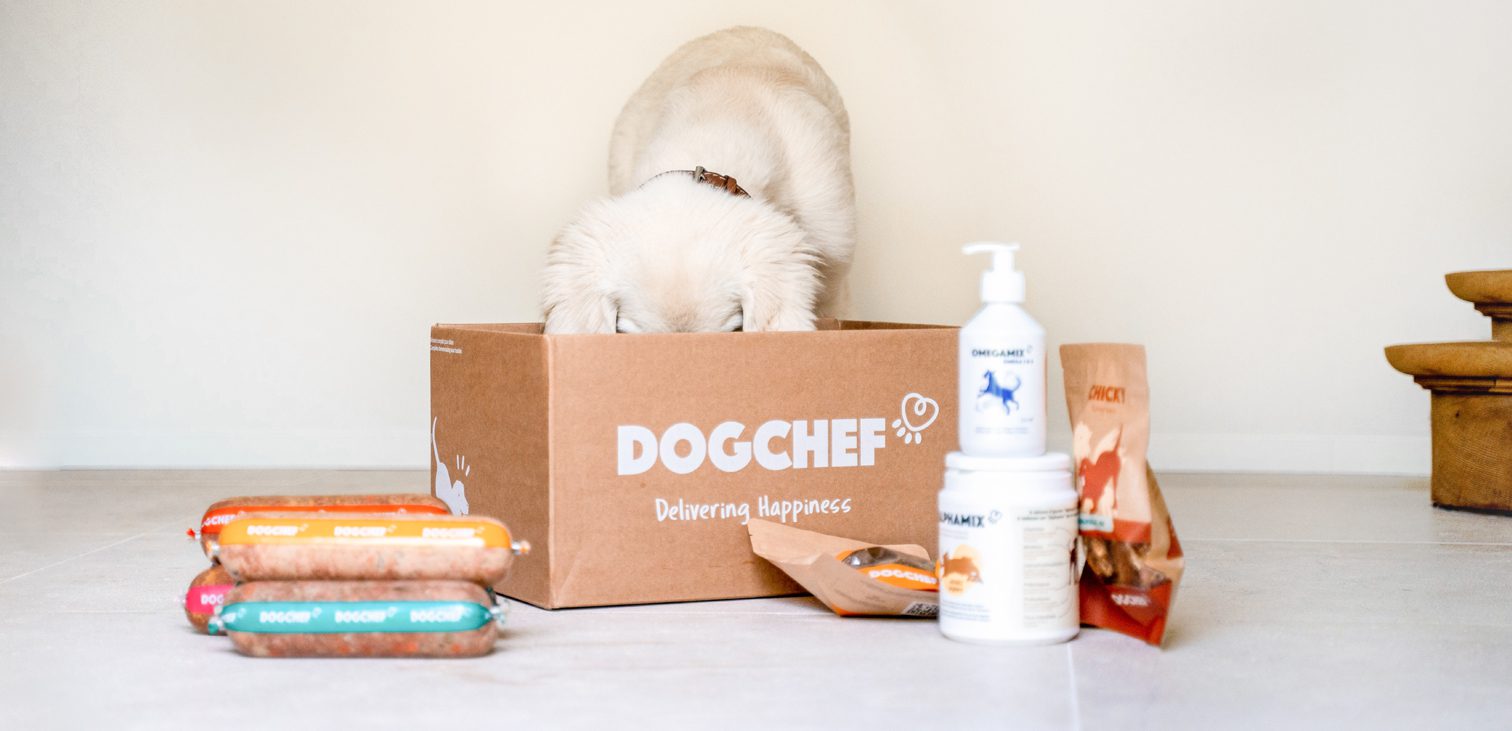
If your dog suffers from recurring issues, switching to fresh food can be the solution. However, this step requires a strict method to avoid making things worse. The golden rule is a gradual food transition over 7 to 10 days.
Start by mixing 25% Dog Chef with the previous food for the first 3 days. Move to a 50/50 mix for the next 3 days, then 75% fresh food, up to 100%. If your dog is in the middle of an acute diarrhea episode, wait until stools stabilise a bit before starting. Serve meals at room temperature and split the daily ration into 3 or 4 small meals.
This allows the digestive tract to get used to new nutrients without overload – supporting full success.
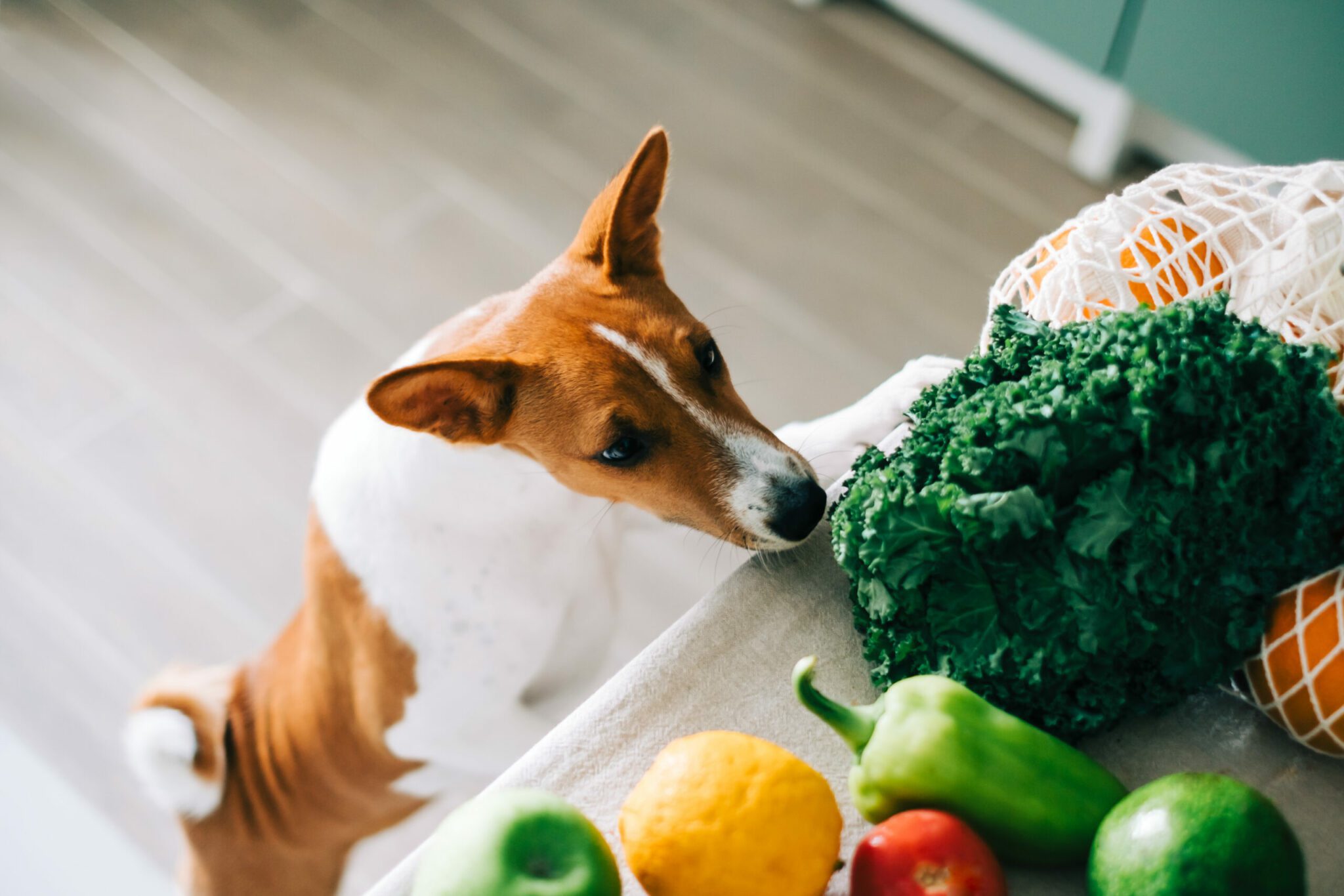
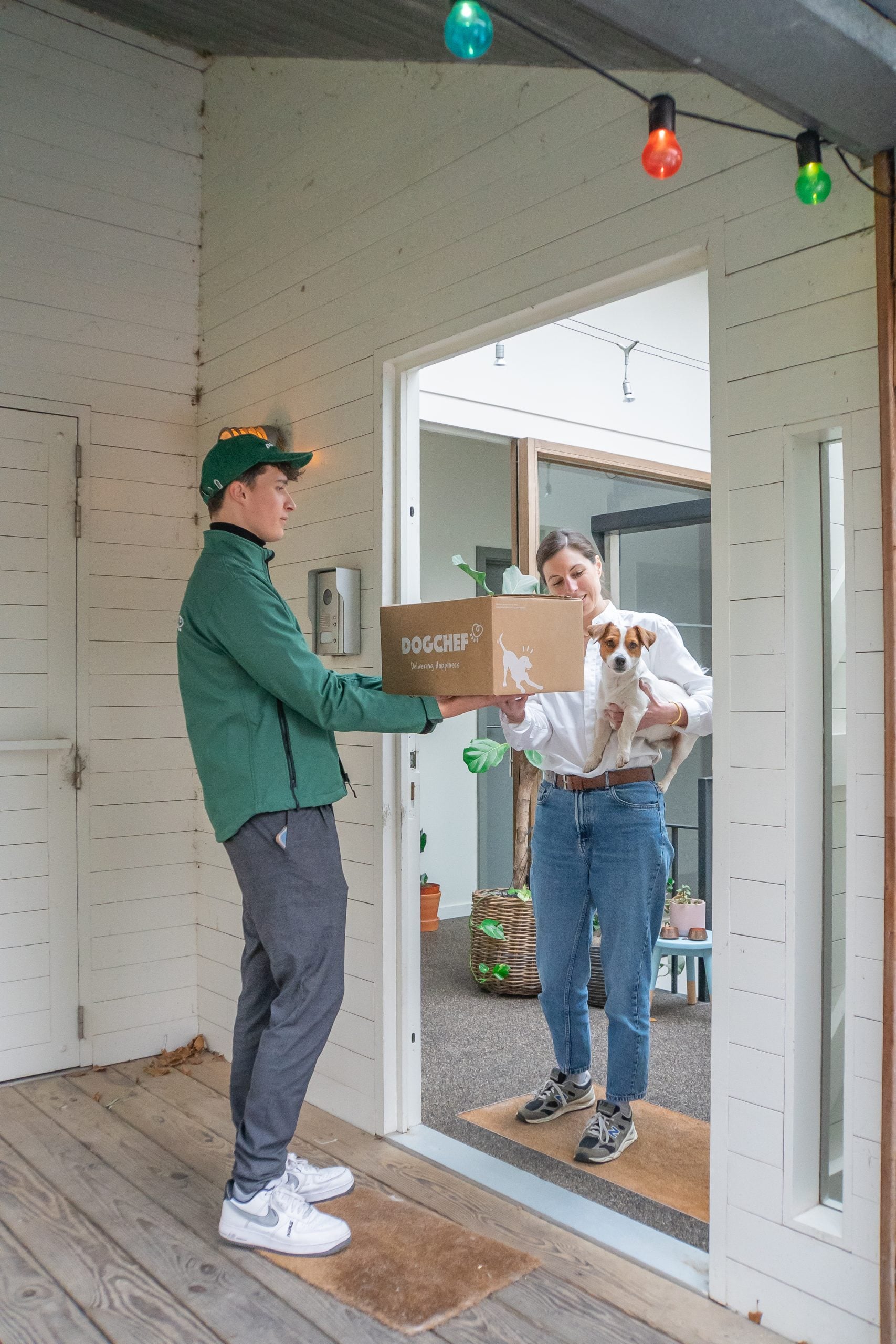
Every dog is unique, and needs vary by age, breed and the intensity of digestive issues. Wondering what to give a dog with diarrhea for long-term relief? Don’t leave their health to chance. By requesting a free estimate on our platform, you’ll receive a precise nutritional recommendation validated by our veterinary experts.
This is the essential step to offer your companion a tailored diet that respects sensitivity and helps restore internal balance.
Find the ideal solutionVotre navigateur est obsolète!
Mettez à jour votre navigateur pour afficher correctement ce site Web. Download Google Chrome