Has your dog just vomited and you’re worried about their health? Vomiting in dogs is a common symptom with many possible causes – from a simple indigestion to more complex conditions. Whether it’s an isolated episode or recurring issues, understanding why your companion is bringing up their meal is essential to respond appropriately.
While some situations require immediate medical attention, diet often plays a key role in preventing and soothing digestive upsets.
Vomiting is a complex reflex action that allows a dog’s body to expel the contents of the stomach. It should not be confused with regurgitation, which is the passive return of undigested food before it reaches the stomach.
A vomiting dog usually shows warning signs: excessive drooling, lip licking, or visible abdominal contractions. This defence mechanism often aims to eliminate an irritating or unsuitable substance.
However, when episodes repeat, they can lead to dehydration and general fatigue. Looking at frequency, timing in relation to meals, and your dog’s overall condition is essential. A proactive approach – combining monitoring and high-quality nutrition – helps support your dog’s digestive system effectively.

The appearance of vomit can provide valuable clues about the cause. A dog that vomits yellow is usually bringing up bile, often when the stomach has been empty for too long. In contrast, vomiting white foam or saliva can be linked to gastric reflux or irritation of the stomach lining.
Sometimes the vomit contains intact food, a sign that kibble hasn’t been digested or was eaten too quickly. More rarely, the presence of blood or black material (melena) requires immediate attention. Consistency (liquid, foamy or solid) and colour are key indicators for you and your veterinarian.
Identifying these nuances helps adapt care and choose nutrition that respects your dog’s digestive sensitivity, limiting recurrence.

Gastric upset can have many origins. A frequent cause is dietary indiscretion: your dog eats an object, an irritating plant, or unsuitable table scraps. Food intolerances and allergies are also high on the list, often triggered by components found in ultra-processed industrial pet food.
A diet change that’s too sudden can destabilise gut flora. Medically, conditions such as gastritis, internal parasites, or more systemic diseases (kidney failure, pancreatitis) can also cause vomiting. Finally, psychological factors like intense stress or anxiety can directly impact digestion.
Assessing these causes carefully is the first step to offering your dog an environment – and a bowl – that protects stomach health.
Some situations shouldn’t wait. If your dog vomits repeatedly over a short period, tries to vomit without being able to, or if you notice blood, an emergency consultation is essential.
Also seek veterinary advice if vomiting is accompanied by diarrhoea, marked lethargy, loss of appetite or abdominal pain. Puppies and senior dogs dehydrate much faster than healthy adults. Your vet can perform the necessary checks to rule out obstruction or a serious infection.
At Dog Chef, we always recommend putting your dog’s safety first. Our recipes are designed with veterinarians to offer optimal nutritional support once urgent medical causes have been ruled out.
To identify the source of your dog’s vomiting, your vet will rely on your observations. They may perform abdominal palpation, blood tests to check kidney and liver function, or an ultrasound if a foreign body is suspected.
If vomiting is chronic and food-related, an elimination diet may be recommended to identify a potential allergy. This involves feeding simple, natural ingredients your dog has never eaten before. This method helps distinguish a temporary sensitivity from a deeper digestive disorder.
Beyond conventional care, natural options can support digestion. Plant-based supplements such as lemon balm or ginger are sometimes used for their soothing properties. Adding probiotics can help rebuild gut flora that has been disrupted by vomiting episodes.
A holistic approach also includes stress management: a calm environment and relaxed mealtimes reduce the risk of reflux. However, the most sustainable solution remains switching to less processed food. By removing chemical additives and by-products, you reduce the stomach’s workload. This long-term, whole-dog approach can deliver visible improvements in digestion and overall energy.
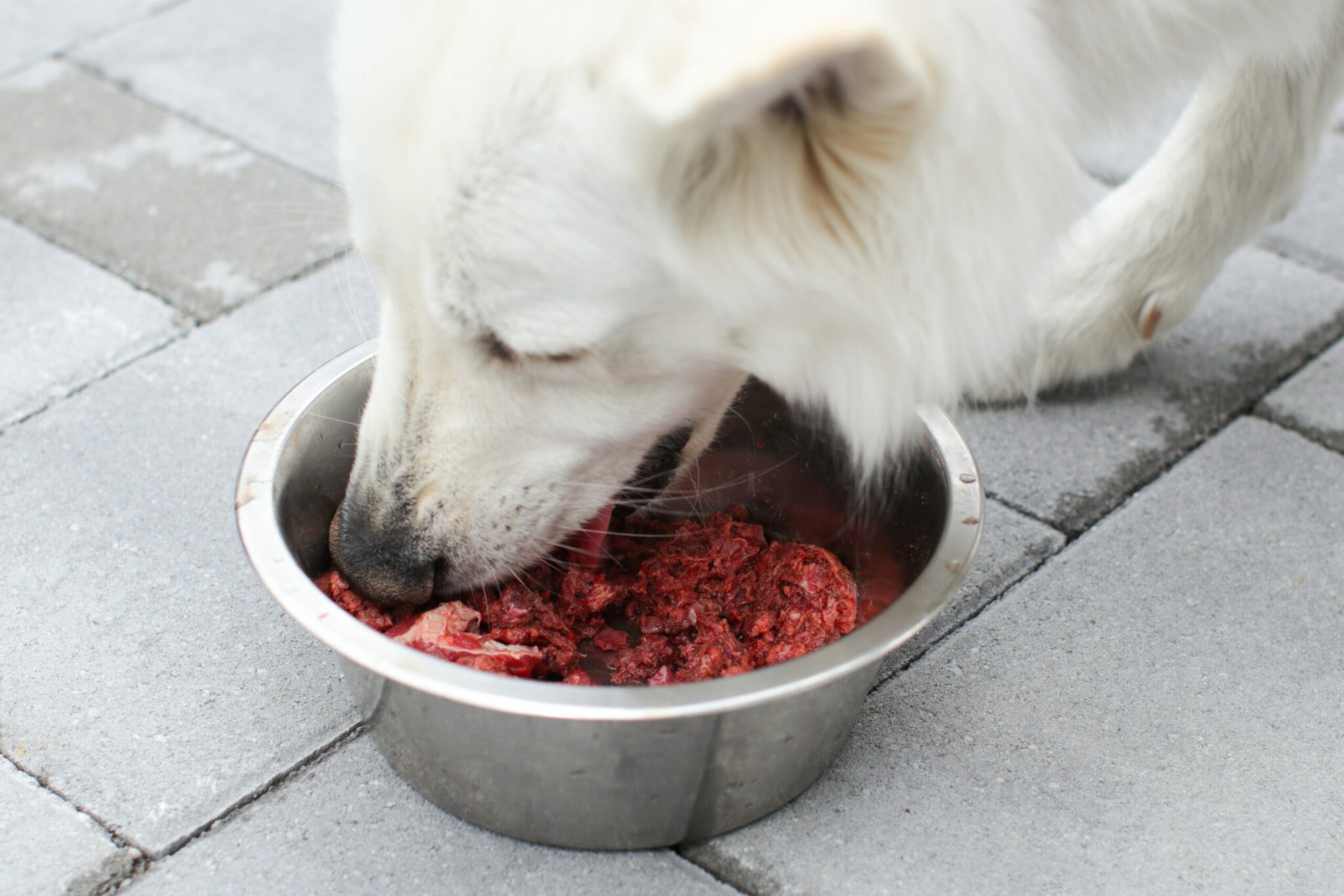
Diet can be both a potential cause and the main solution to stomach issues. Low-quality food that is too fatty or contains artificial texturising agents can chronically irritate the stomach lining.
In contrast, balanced, adapted nutrition supports digestive function. Fresh proteins and precisely cooked carbohydrates help nutrient absorption without exhausting the body. Gentle fibre regulates transit and helps prevent excessive acidity. A healthy bowl isn’t just energy – it’s the foundation of a resilient digestive system.
Prevention is mainly about stability and quality. Avoid giving human leftovers, often too seasoned or fatty. Split the daily ration into two or three meals to avoid stomach overload – especially for dogs that eat too fast. An anti-gulp bowl can help.
Also, avoid intense exercise right after meals to reduce the risk of gastric torsion. Finally, keep any diet change gradual. A natural, fresh diet with a stable composition is one of the best protections against chronic irritation.
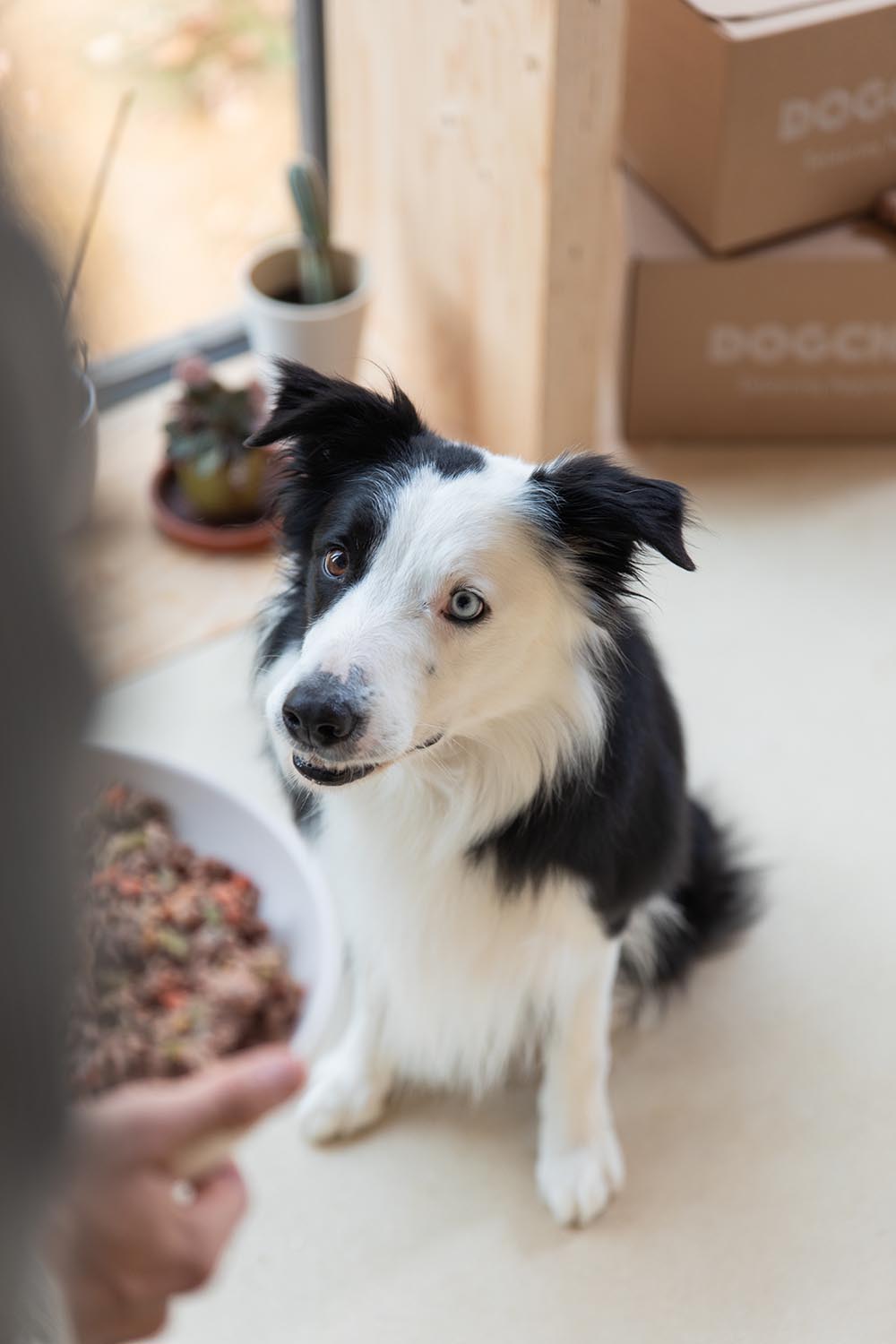
Since 2017, Dog Chef has offered a healthy alternative to classic industrial pet food. Our fresh meals are created with veterinarians specialised in nutrition to ensure high digestibility – essential for dogs with sensitive stomachs.
Unlike ultra-processed kibble, our recipes—voted “Product of the Year 2026” – use raw ingredients, with no preservatives or artificial flavours. This purity helps limit the risk of food intolerances often linked to chronic vomiting. Our home-style rations are calculated to measure, avoiding excess while fully covering nutritional needs.
With gentle cooking, we preserve essential vitamins and minerals. Dog Chef is a practical way to soothe your dog’s digestive system while restoring the pleasure of a tasty, natural bowl.
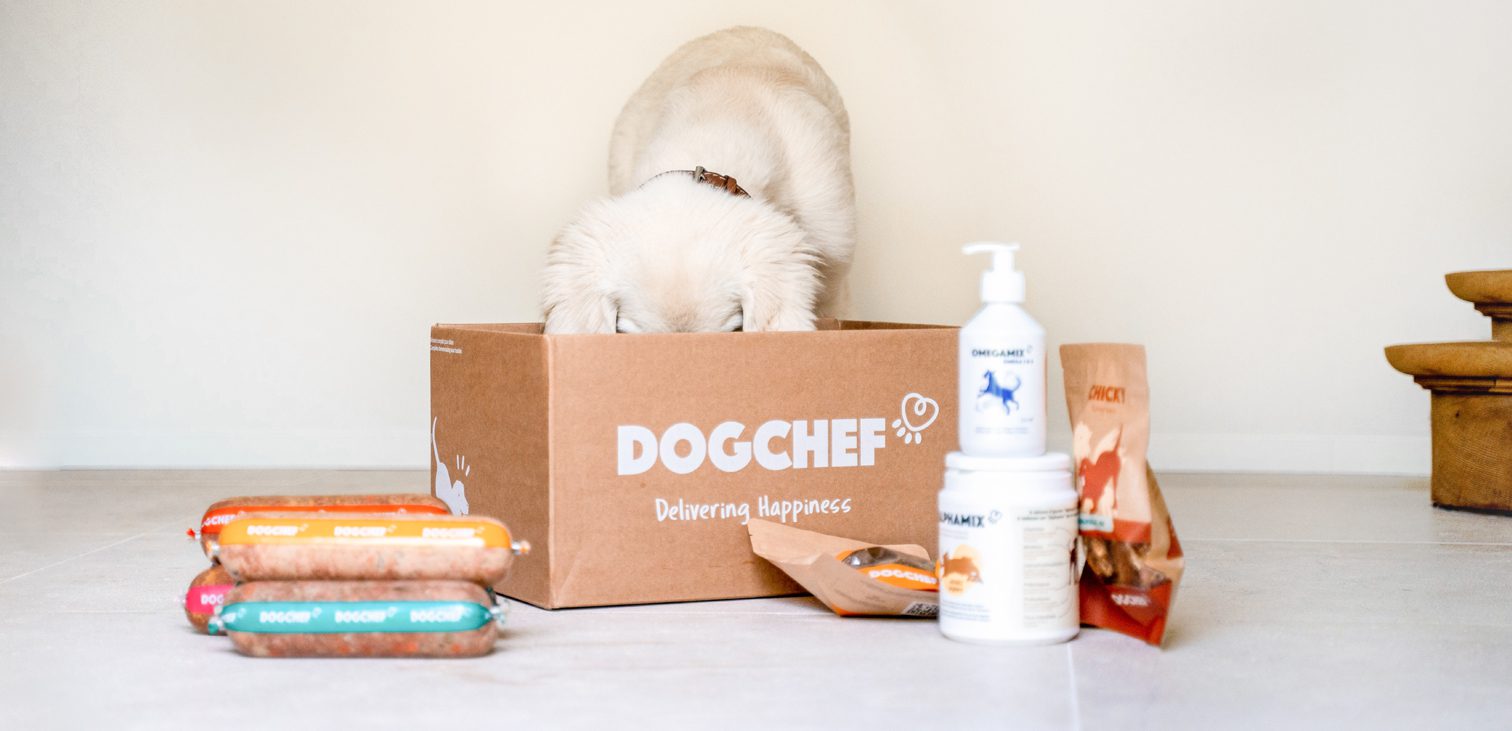
For a dog prone to vomiting, the transition to Dog Chef must be especially careful. We recommend spreading it over around 10 days. Start by mixing 20% fresh food into their previous ration for two days, then increase by 20% steps every two days.
This method gives gut flora time to adapt to the new ingredients without triggering rejection. If your dog is very sensitive, don’t hesitate to extend each step.
Watch for early positive signs: reduced flatulence and fresher breath are often the first indicators. Once the transition is complete, you’ll generally see long-term stabilisation of gastric comfort after just a few weeks.
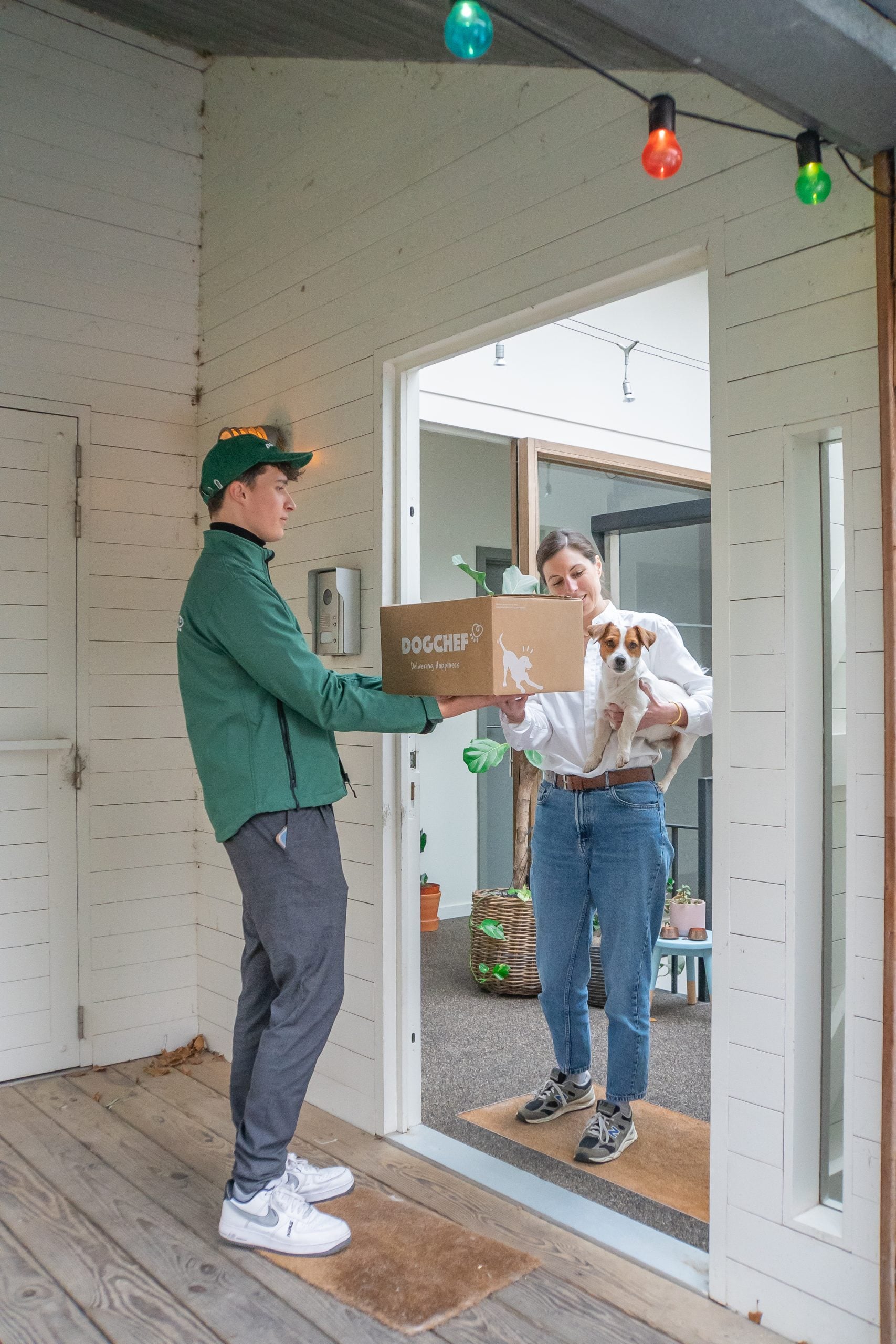
Don’t let digestive issues ruin your companion’s daily life. Every animal is unique and deserves nutrition that respects their sensitivity. By requesting a free estimate on our website, you’ll receive a personalised recommendation based on your dog’s profile. In just a few clicks, discover the Dog Chef recipe best suited to soothe their stomach and support vitality.
Find the ideal solutionVotre navigateur est obsolète!
Mettez à jour votre navigateur pour afficher correctement ce site Web. Download Google Chrome